The Fascinating Golden Orb-Weaver Spider
The golden orb-weaver spider, with its shimmering webs and impressive color patterns, is one of nature’s wonders. This article explores its extraordinary characteristics, life habits, and the vital role it plays in its ecosystems.
Fascinating Characteristics
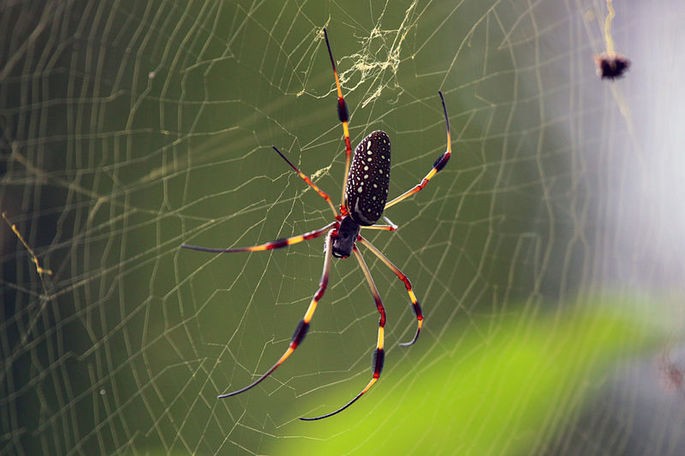
The golden orb-weaver spider, known for its captivating beauty, possesses unique traits that make it one of the most intriguing arachnids in the world. Its vibrant colors range from yellow to gold, these hues not only provide a visual delight but also serve as a survival strategy. This coloration helps camouflage it among leaves and flowers, while during the day it shines under the sunlight, attracting both prey and admirers.
Spiders of this species have a robust body, with long, slender legs that extend elegantly outward. Its abdomen is voluminous, allowing it to store energy and nutrients. The silk threads they produce are simultaneously strong and delicate, enabling the webs to support larger prey.
The impressive webs they weave are true masterpieces of natural architecture. They can reach up to a meter in diameter and are made from a material that varies in density. Furthermore, the webs have a spiral shape, making them extremely efficient at capturing flying insects. To maximize their effectiveness, the spider moistens the web with a bit of dew, increasing the adhesion of droplets to unsuspecting prey.
These webs also serve as a means of communication. The pattern and structure of the web can inform others of its species about nutritional status and territoriality. The golden orb-weaver spider, with its striking presence, not only enchants with its appearance but also with the complexity of its interactions. To learn more about the architecturally intelligent part of the animal kingdom, check out the article on the jumping spider.
Habitat and Distribution
The golden orb-weaver spider, known for its spectacular webs and impressive structure, prefers humid habitats with abundant vegetation. It is often found in tropical forests, fields, gardens, and urban areas that provide shelter and access to prey. These spiders have an affinity for sunny spots, where their gleaming webs can catch the light, making them visible and serving as a warning to predators. Generally, they inhabit the lower part of the vegetation, where leaves provide camouflage and protection. Environments that favor the golden orb-weaver spider include areas rich in insects, as its diet is based on capturing these prey. It adapts to various climatic conditions but prefers mild temperatures and high humidity. This adaptability is crucial for survival and reproduction. When temperatures drop drastically or during dry periods, these spiders can enter a state of dormancy. The presence of water is also an important factor, as they are often seen in areas close to bodies of water. The golden orb-weaver spider, with its beauty and skill, plays a vital role in ecosystems. Its webs help control insect populations, making it an essential creature for the health of the environment in which it lives. The unique characteristics of its habitat illustrate the harmony between living creatures and their surroundings.
Behavior and Feeding
The golden orb-weaver spider exhibits fascinating and adaptive behavior in its habitat. Utilizing its exceptional weaving skills, it constructs intricate webs that illuminate the places it inhabits. These webs are not only capture structures but also true works of art in nature. The way the spider positions itself in the web, often at the center, is an example of efficiency and strategy. By waiting patiently, it can detect unsuspecting creatures that pass nearby.
When a prey becomes ensnared in its threads, the golden orb-weaver spider acts quickly. With a swift movement, it lunges at the victim, using its long legs to hold it firmly. The spider’s salivary glands inject venom, paralyzing the prey and initiating the process of external digestion. This hunting method is a perfect combination of patience and precision, reflecting the wisdom of this arachnid.
The interaction of the golden orb-weaver spider with other organisms is equally intriguing. It is not just a predator; it also plays a role in a broader web of ecological relationships. The insects it seeks, such as mosquitoes and moths, often become part of the delicate balance of the ecosystem. Additionally, the spider can also be prey for birds, reptiles, and other predators. This interdependent dynamic illustrates the complexity of wildlife. Thus, we see that the golden orb-weaver spider not only survives but also thrives in its habitat, representing an important link in the food chain. For a closer look at the life of these arachnids, you can read about the jumping spider, which displays intelligent behavior in its hunting, in Jumping Spider: The Most Intelligent Arachnid.
Ecological Importance
The golden orb-weaver spider plays a vital role in its ecosystem. It acts as an effective predator, controlling insect populations that, if left unchecked, could cause imbalances. This control is particularly important in agricultural environments, where pest overpopulation can lead to reduced productivity. Its webs are intricate traps that capture prey, including flies and other flying insects, providing a feast for the survival of this spider. Furthermore, the presence of this spider indicates the health of the environment. A robust population of golden orb-weaver spiders suggests a balanced ecosystem with an abundance of resources. The webs are not only capture sites; they also serve as shelters for various other forms of life, contributing to biodiversity. Many species of insects and smaller spiders use their webs as refuge, promoting a network of ecological interactions. This phenomenon illustrates the interdependence of species. The golden orb-weaver spider, with its predatory behavior, not only helps keep insect populations in check but also sustains life in its habitat, allowing other organisms to thrive. The impact of this spider extends even to pollinators, as by controlling insects, it allows for a healthy environment for plants and flowers. Thus, the golden orb-weaver spider is a captivating example of how a single species can influence the health and biodiversity of an ecosystem. For a broader view of the role of insects in nature, see this article on insects.
Conservation and Preservation
Golden orb-weaver spiders face various threats in their natural habitat. The destruction of tropical forests is one of the most significant. Humans, driven by agricultural activities and urbanization, cause the loss of areas where these spiders thrive. This destruction affects not only the spider but the entire ecosystem that depends on it. Habitat degradation results in increased population fragmentation, making reproduction and survival of this beautiful species more difficult.
In addition to habitat loss, the use of pesticides in agriculture poses a significant risk. Insecticides not only affect the targeted insects but also the spiders and other organisms that play crucial ecological roles. These chemicals can lead to poisoning and a decline in spider populations.
To preserve golden orb-weaver spiders, it is imperative to adopt comprehensive conservation practices. First, the protection of natural habitats must be prioritized. This includes the creation of protected areas and the promotion of sustainable agricultural practices. Environmental education is crucial in this process. Local communities need to understand the importance of spiders and their role in pest control.
Research also plays a vital role. Monitoring spider populations can help identify trends and implement effective conservation strategies. Publicity and outreach about the beauty and importance of golden orb-weaver spiders can generate support for their conservation. All these initiatives can help maintain this fascinating arachnid and its vibrant ecosystem. To better understand the impact of human activities on local fauna, you can check out this article on the Jumping Spider.
Conclusions…
The golden orb-weaver spider enchants with its beauty and complexity. Its ability to weave resilient webs and its ecological role highlight the interconnectedness between species in nature. Preserving its habitat is essential to keep this wonder alive.
Did you know?
What are the characteristics of the golden orb-weaver spider?
The golden orb-weaver spider is known for its vibrant coloration and for building resilient webs that shine in the sun, creating an impressive visual spectacle.
How does the golden orb-weaver spider contribute to the ecosystem?
It plays a vital role in controlling insect populations, helping to balance the ecosystem and promoting biodiversity.
Where can we find the golden orb-weaver spider?
These spiders are typical of tropical and subtropical regions, often found in forests, gardens, and open areas.
What is the importance of the golden orb-weaver spider’s webs?
The webs are not only beautiful but also one of the most resilient structures in nature, used to capture prey and protect offspring.
Can we cultivate the presence of the golden orb-weaver spider in our gardens?
Yes, by creating a friendly environment with native plants and avoiding pesticides, we can encourage the presence of these spiders in our gardens.