Yellow Scorpion: The Dangerous Inhabitant of Tropical Lands
The yellow scorpion, one of the most venomous in Brazil, fascinates and frightens at the same time. Its neurotoxic venom, which can be lethal, makes this arachnid a true challenge for understanding and conservation. In this text, we will delve into its characteristics, habitats, and the impact of its venom.
Physical Characteristics
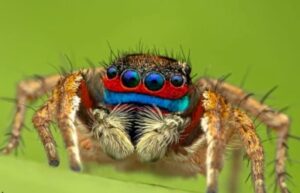
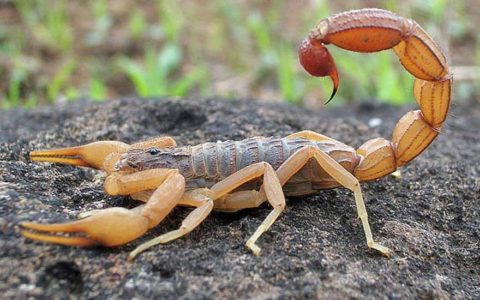
The yellow scorpion, scientifically known as Tityus serrulatus, is one of the most fascinating and feared inhabitants of tropical lands. This arachnid can reach up to 10 centimeters in length and is easily identified by its bright yellow coloration. This hue is not just an aesthetic feature; it plays a crucial role in the scorpion’s camouflage and survival among leaf debris and dry soils. Its body is segmented, featuring an elongated structure that grants it agility and an aerodynamic shape that facilitates movement in search of prey. The pincers, or chelicerae, are robust and well-developed, adapted to capture and immobilize insects and small arthropods, which make up its diet. With a quick and precise movement, the yellow scorpion can detect even the slightest movements, qualifying it as an efficient predator. Spiders, for example, that often cross its path, stand no chance against this scorpion’s hunting skills. Moreover, its specialized olfactory senses allow it to locate prey from a distance. The combination of a rigid exoskeleton and strong claws facilitates attacks and ensures protection against predators. The sensory hairs covering its body further enhance its ability to detect vibrations in the environment. These adaptations make the yellow scorpion a master predator in the tropical ecosystem. To learn more about the adaptability of living beings in extreme environments, check out this article on tardigrades.
Habitat and Behavior
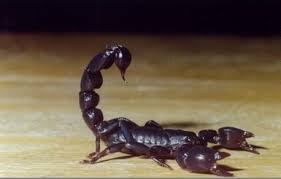
The black scorpion, Bothriurus nigricans, has become an intriguing figure in urban areas. It inhabits environments that are often overlooked by humans. In urban spaces, it seeks refuge in places that offer safety and a bit of moisture. It prefers hiding spots that range from debris and piles of leaves to crevices in walls and holes in trees. Pruning piles and cracks in pavements provide vital shelter. During the day, it remains hidden, avoiding direct sunlight, which can be lethal.
The black scorpion’s adaptation to the urban environment is remarkable. With the decrease of its natural habitats, its hunting practices have become more versatile. The search for prey, such as insects, occurs at night. It uses its vision and vibrational sensitivity to detect movement. Its hunting behavior is calculated and strategic. Armed with powerful claws and effective venom, it patiently waits for the right moment to strike. A quick and precise movement ensures the capture of its prey. Additionally, the black scorpion is a superb biologist, adapting to environmental variations. Cities offer a microcosm full of opportunities but also dangers. This arachnid has become an integral part of the urban ecosystem, showing that even in the shadows, life continues to thrive. To better understand how creatures like the black scorpion adapt and interact with the environments they occupy, check out this article on bats and their importance in urban ecosystems.
The Lethal Venom
The yellow scorpion, known for its vibrant color, has a hidden treasure in its claws: venom. With over 200 chemical components, its composition is a true miracle of nature. Neurotoxic peptides are the protagonists, acting primarily on the nervous system. These tiny molecules have the ability to influence sodium and potassium channels in cells. When a sting occurs, the venom spreads rapidly through the bloodstream, triggering a series of reactions. One of the first sensations is sharp pain, which can be debilitating. At the same time, the venom interferes with communication between neurons, resulting in varied symptoms, from tingling to paralysis. The effects can be even more severe in vulnerable individuals, such as children and the elderly. The lethality of the yellow scorpion is associated with respiratory and cardiovascular complications. The venom can cause an increase in heart rate and, in extreme cases, lead to anaphylactic shock.
It is essential to understand that each person reacts differently. Some may experience only mild symptoms, while others face devastating consequences. Prompt treatment is crucial. Antivenoms are available and should be administered quickly to prevent permanent damage. These fascinating, albeit treacherous, inhabitants of tropical lands play an important ecological role. Understanding their biology helps us respect these creatures. For more information on wildlife, see this article on spiders.
Coexisting with Scorpions
The yellow scorpion, with its slender body and vibrant coloration, can raise concerns. Although they are fascinating, it is vital to know how to coexist with them safely. The first step is to keep the house clean and free of debris. Scorpions hide in dark and tight places, so eliminate possible shelters, such as piles of wood or accumulated leaves. Sealing cracks and holes in walls is equally crucial to prevent the entry of these unwanted inhabitants. In outdoor areas, keep the grass trimmed and the garden free of litter, which reduces attractiveness to these arachnids.
When it comes to stings, knowledge is an essential defense. If a sting occurs, remain calm. Clean the area with soap and water and apply a cold cloth to alleviate swelling. Monitoring symptoms is vital; intense pain, difficulty breathing, or coughing may indicate a more severe reaction. In such cases, seek medical assistance immediately. It is always wise to have an emergency number on hand, especially in regions where scorpions are common. Educating oneself about these nocturnal beings is fundamental. Communities can organize talks and disseminate information on how to coexist with them. Respect for wildlife can transform fear into appreciation, as every creature, including the yellow scorpion, plays a role in the complex web of life. For more insights on intriguing creatures, see this article on jumping spiders.
Ecological Importance
The yellow scorpion is a vital link in the complex web of tropical life. Its presence in ecosystems reveals much about the health and balance of the environment. This arthropod is a cunning predator, competing with other predators for survival. It feeds on insects, arachnids, and small vertebrates, significantly contributing to the population control of its prey. This, in turn, keeps the dynamics of the ecosystem in harmony, preventing overpopulation that could lead to habitat degradation.
Its role as a pest controller is invaluable. In urban and rural areas, where insects can be abundant, the yellow scorpion acts as a natural regulator, reducing the number of mosquitoes and other insects. By doing so, it protects not only agriculture but also human health, decreasing the incidence of insect-borne diseases. Furthermore, the presence of the yellow scorpion indicates a healthy ecosystem, as it prefers habitats rich in biodiversity. Its absence may signal environmental problems. Capturing these scorpions in field studies allows for the assessment of the impact of environmental changes on local fauna.
Interaction with other species is also crucial. Predators, such as birds and mammals, include the yellow scorpion in their diet, so the extinction or decrease in its numbers could affect these predators. In summary, the ecological importance of the yellow scorpion lies in its ability to weave connections between various forms of life, maintaining the delicate balance of nature. To better understand the fascinating biodiversity, read about the smartest arachnid.
Conclusions…
The yellow scorpion offers a lesson on the complexity of the Brazilian ecosystem. Understanding its role and raising awareness about the risks can promote safer coexistence with this fascinating and dangerous species.
Did You Know?
What does the yellow scorpion look like?
The yellow scorpion has a light yellow body, typically ranging from 7 to 10 centimeters, with robust legs and wide pincers that help it capture its prey.
Where does the yellow scorpion live?
This scorpion is found in tropical regions of Brazil, especially in areas like forests, fields, and even urban areas, where it seeks shelter.
What are the effects of the yellow scorpion’s venom?
The venom of the yellow scorpion is neurotoxic and can cause severe symptoms, such as intense pain, difficulty breathing, and even paralysis. In extreme cases, it can be fatal.
How to prevent scorpion stings?
To avoid scorpion stings, keep environments clean, wear appropriate footwear, and avoid leaving clothes or shoes outdoors at night.
Is the yellow scorpion a social animal?
The yellow scorpion is generally solitary, preferring to live alone, except during mating season when they may be seen together.