Unveiling the Funnel-Web Spider: The Most Deadly in Australia
The Funnel-Web Spider, native to Australia, is not only fascinating but also notoriously deadly. In this article, we will explore its characteristics, behavior, and why it is one of the most feared spiders in the world.
Characteristics of the Funnel-Web Spider
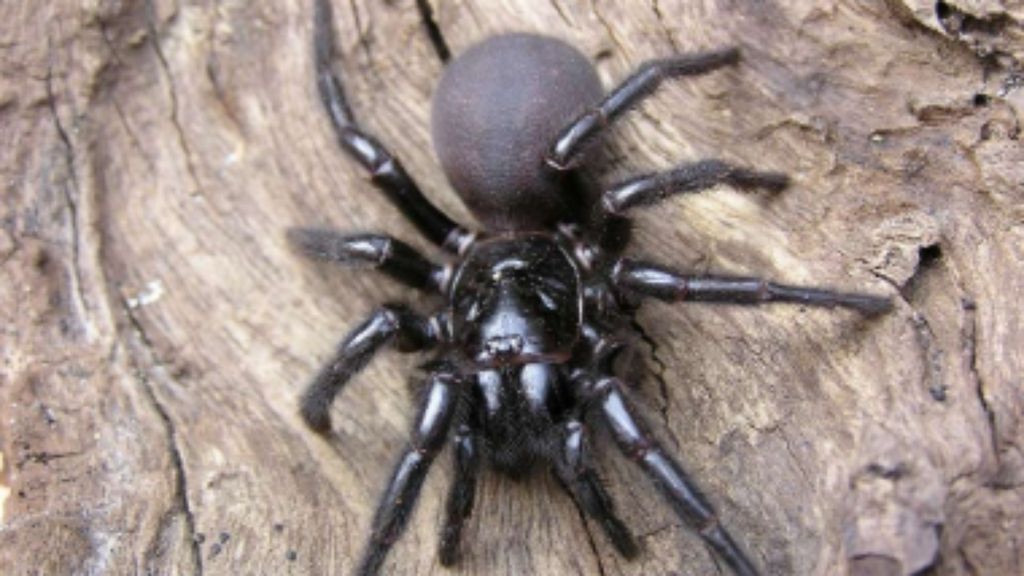
At first glance, the funnel-web spider may seem like a mere shadow dweller of Australia, but its extremely refined characteristics make it one of nature’s most feared predators. Its robust and thick body boasts a coloration that ranges from brown to black, allowing it to masterfully camouflage among the dry leaves and stones of its natural environment.
Hunting Skills
The hunting skills of this spider are impressive and intriguing. Using its funnel-shaped web, it creates a complex trap that not only captures unsuspecting prey but also maximizes the efficiency of its strikes. When a prey, such as an insect, comes into contact with the web, the spider, with quick and agile movements, captures it instantly. What makes this approach even more fascinating is the use of ambush strategies. The spider often hides within its shelter, striking accurately at those who approach. Thus, it reveals a cunning behavior, reflecting the remarkable adaptability of the animal kingdom.
Defense and Camouflage
In terms of defense, the funnel-web spider has a surprising ability to camouflage itself. When threatened, it can remain motionless, taking advantage of its environment to avoid detection. Additionally, its bite is famous not only for the pain it causes but also for its neurotoxic effects. Therefore, both its ability to conceal itself and its defensive potency make it a force to be respected. If you wish to learn more about some fascinating adaptations in the animal kingdom, you can explore how other creatures also master the art of survival through cunning (e.g., jumping spiders).
As we marvel at the complexity of these creatures, we begin to understand not only their effectiveness in combat and defense but also their intricate relationship with the ecosystems they inhabit. Thus, we can prepare to explore the suitability of their habitat in interactions with humans and other forms of life in the next section.
The Habitat of the Funnel-Web Spider
The funnel-web spider, with its threatening presence and peculiar beauty, finds refuge in various environments across Australia. Its webs, distinguished by their unique funnel shape, are often located in areas such as forests, gardens, and even residential fences. This diverse habitat not only ensures the survival of the species but also significantly influences interactions with humans and other animals.
The humid forests provide the ideal setting for these spiders. The combination of shade and moisture ensures the stability of the webs, where each strand is constructed with a specific purpose. Furthermore, the dense vegetation provides a constant flow of prey, such as insects, that are attracted to the flowers and lush foliage.
The Relationship with Humans
As humans expand into these areas, the incidence of encounters with the funnel-web spider increases. Often, these spiders take up residence in unexpected places, such as garages and sheds. Such proximity causes anxiety, as, although they are dangerous, spiders are also a vital part of the ecosystem, controlling insect populations.
Interactions with Other Animals
Moreover, the funnel-web spider is not only a predator but also prey. The competition for space and food with other spiders and creatures, such as frogs that feed on the insects attracted to their webs, is constant. Interestingly, coexistence can be observed in many habitats, where the camouflage abilities of some species ensure a subtle symbiosis.
Understanding the habitat of the funnel-web spider is crucial for protecting this fascinating species, which, despite the fears it generates, plays an irreplaceable ecological role. As we prepare to explore its behavior and diet, it is essential to remember that this spider’s natural environment shapes not only its life but also ours.
Behavior and Diet
Imagine yourself in an Australian forest, where the dense vegetation harbors one of the most intriguing arachnids on the planet: the funnel-web spider. This creature not only terrifies with its lethal bite but also fascinates with its eating habits and surprising hunting skills. The voracity of this spider and its capture method transform the way we understand the predator-prey dynamics in the animal kingdom.
Hunting Strategies
The funnel-web spiders are known for their ingenious capture methods. They create funnel-shaped webs that resemble small tunnels. When a prey, such as an unsuspecting insect, enters the web, the spider reacts quickly. It uses its long and powerful legs to grasp the prey, injecting its paralyzing venom. This venom not only incapacitates the prey quickly but also aids in digesting the food internally, which is a fascinating aspect of this spider. Additionally, the funnel-web spider is carnivorous and primarily consumes insects. However, variations in its diet, including small arthropods and, surprisingly, even small vertebrates, have been observed. This dietary flexibility demonstrates the species’ adaptability in its habitat.
Social Behavior
Contrary to the generally solitary image of spiders, some species of funnel-web spiders exhibit interesting social behaviors. While most prefer to live alone, certain individuals do not hesitate to share their space with others. It has been observed that this interaction, although rare, can be beneficial during periods of food scarcity. In some situations, these spiders gather, forming groups that increase their chances of capturing larger prey. Therefore, as we explore the behavior and diet of the funnel-web spider, we dive into a world of survival strategies and social complexity. In the next chapter, we will investigate the consequences of an encounter with this feared creature, unveiling the effects of its bite and the available treatments.
Effects of the Bite and Treatment
When a funnel-web spider decides to attack, the bite can trigger a cocktail of devastating effects. With venom that affects the nervous system, symptoms appear quickly, making the experience of an encounter with this arachnid a true struggle for life. Between the palpable tension of the bite and the immediate search for help, the reality of unwanted encounters with this creature becomes alarming.
Symptoms of the Bite
The bite of the funnel-web spider produces a variety of symptoms, which often include intense pain that can spread rapidly throughout the body. Additionally, the bite site may exhibit swelling and redness. Among the more severe effects, there is the possibility of developing respiratory difficulties, muscle tremors, and even convulsions. The venom acts quickly, affecting the nervous system and provoking a state of panic in the affected individuals.
Treatment Options
Treatment must be decided quickly. The use of antivenom is ideal to mitigate the effects of the venom, providing immediate relief. Following this, medical care is essential, which includes monitoring vital signs and interventions to stabilize the patient. Additionally, respiratory support may be necessary in more severe cases. It is crucial to seek medical assistance as soon as the bite occurs. The speed of action can be the difference between life and death. Above all, knowing the risks and understanding the consequences of the bite from this fascinating yet deadly spider can provide valuable perspective.
Armed with this information, we can prepare for the next chapter, where we will explore how to avoid unwanted encounters with this impressive creature.
How to Avoid Unwanted Encounters
Diving into the shadows of the natural world, we can encounter impressive and sometimes fearsome creatures. Among them, the funnel-web spider, one of the deadliest in Australia, stands out for its effectiveness in camouflage and attack. For this reason, it is vital to equip oneself with knowledge and precautions to minimize unwanted encounters with this fascinating and dangerous species.
Adapting Your Environment
First, it is essential to make your space less inviting for the funnel-web spider. Regular cleaning of outdoor areas, such as garages and sheds, can make a significant difference. Eliminating debris, dry leaves, and decaying materials reduces the shelters where they can hide. Additionally, consider sealing cracks and crevices in walls. This way, you reduce access to these dark and cozy spaces.
The Importance of Vigilance
Constant vigilance is equally crucial. When working in gardens or outdoor areas, use gloves and closed shoes to protect yourself from potential bites. When encountering holes in the ground or webs in unexpected places, keep your distance. These signs may indicate the presence of the spider. When traveling through Australia, especially in rural areas, inquire about the local habitat of the funnel-web spider. Knowing its behavior and the locations where they are commonly found can help ensure your safety. For information on other fascinating living beings, you can explore the jumping spider, an example of incredible adaptation in nature.
Protecting yourself from the funnel-web spider is more than an act of fear; it is a demonstration of respect for the complexity of the world around us. In the next chapter, we will continue this journey, exploring the ecology and role of this spider in its natural habitat.
Conclusions…
The funnel-web spider is an impressive example of the complexity and adaptability of nature. Its ability to cause harm makes awareness of its dangers essential. However, with due respect and knowledge, we can coexist. Protecting oneself and understanding its behavior can minimize risks and allow us to admire this fascinating creature.
Did You Know?
What does the Funnel-Web Spider look like?
The funnel-web spider has a dark body with long, thin legs. Males are smaller than females, which have a more robust body and may have markings.
Where can I find the Funnel-Web Spider?
It is native to Australia and can be found in urban and rural areas, usually in gardens, shrubs, and sheds.
What are the risks of being bitten by this spider?
The bite of the funnel-web spider can be extremely painful and, in severe cases, can lead to serious symptoms and even death without proper treatment.
Is the Funnel-Web Spider aggressive?
It is not generally aggressive but tends to defend itself when threatened, especially females that are caring for their eggs.
How can I protect myself from this spider?
Wear gloves and closed shoes when working outdoors, especially in areas known to have these spiders. Inspect clothing and shoes before wearing them.
What should I do if I am bitten?
Seek medical attention immediately. It is crucial to treat the bite quickly, as antidotes and treatments can be administered.
Can this type of spider be kept as a pet?
It is not advisable. The funnel-web spider is dangerous and should be respected. Keeping it as a pet can be risky.
Does the Funnel-Web Spider have natural predators?
Yes, birds, some insects, and other arachnids can prey on the funnel-web spider, but it has few known predators due to its toxicity.