Ladybug Spider: The Colorful Wonder of Tropical Forests
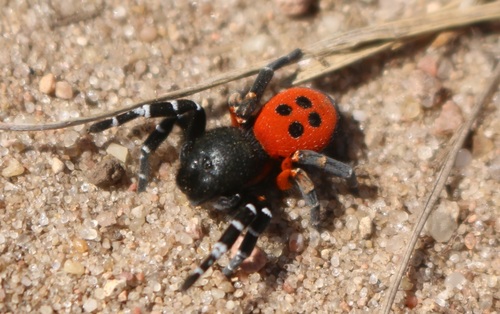
The ladybug spider, with its vibrant red coloration and black spots, is a true treasure of tropical forests. In these ecosystems, this tiny arachnid plays a crucial role in maintaining the balance of nature, capturing prey and coexisting with various organisms. Let’s explore its characteristics, habitat, and ecological importance.
Physical Characteristics
The ladybug spider is a true gem of tropical forests, notable for its captivating and peculiar appearance. Its vibrant colors range from red to yellow, adorned with a pattern of black spots reminiscent of ladybugs. This colorful display is not just a visual spectacle but a masterful example of evolution. The bright colors of the spider play a crucial role in its survival. They act as a warning signal, alerting predators that the spider is toxic and should not be ingested. This warning strategy is known as aposematism. Additionally, its compact shape and delicate legs allow the spider to maneuver agilely among the leaves and branches of its habitat. This ability is vital in the search for prey and in avoiding predators.
Upon closer observation, we notice that the texture of its body is velvety, designed to aid in camouflage within its environment. During the day, ladybug spiders hide under leaves or inside flowers, where sunlight can reflect their colors, confusing both prey and predators. This strategy increases their chances of survival in a world where every movement can be vital. Their physical characteristics not only make the ladybug spider a wonder to behold but also illustrate the complexities of life in tropical forests.
For those wishing to explore more about the fascinating aspects of nature, a good example of adaptation is presented in the article about the toucan, which uses its striking colors in equally intriguing ways.
Habits and Behavior
The ladybug spider is a spectacle of refined behavior. During the day, they often remain hidden in dense foliage. This is a safe place, away from predators and dangers. At night, the real spectacle begins. Equipped with sharp vision, they emerge from their hiding spots. In this life-rich environment, the excitement of hunting is palpable. With an almost magnetic attention, these spiders attract smaller insects using their shiny webs. They prey on a variety of targets, from flies to small beetles. The hunting strategy is fascinating. The spider positions itself strategically, motionless, waiting for the right moment to strike. When prey comes within reach, the speed of its movements is astonishing. The venom is injected instantly, paralyzing the prey effectively. It is a dance of necessity and skill.
Besides hunting, the ladybug spider also interacts with its habitat in intriguing ways. For example, it plays a vital role in controlling insect populations. This dynamic is crucial for the health of the tropical forest ecosystem. On quiet nights, they may even encounter other small spiders. Although solitary by nature, occasional interaction may occur in search of food or during mating season. Communication often occurs through vibrational substrates. Fascinatingly, the relationships of hunting and coexistence create a balanced system. The diversity of interactions makes the ladybug spider a key piece in the complex web of life in tropical forests. For more on these fascinating interactions between different species, see this article on jumping spiders.
Habitat and Distribution
The ladybug spider is a splendid example of unique adaptations, perfectly shaped to its natural habitat. Found in various regions of tropical forests, these colorful spiders inhabit the canopies and rich dense vegetation. Their preferred environment comprises humid areas, where high humidity and temperature favor their survival and reproduction. The broad leaves and vibrant flowers provide not only shelter but also an abundance of prey for their carnivorous diet.
This spider stands out for its ability to build delicate webs in strategic locations. It often makes its webs in trees, shrubs, and even among tall grass. This strategy ensures that it can capture insects that fly or move through its dwelling. These locations, teeming with life, provide a colorful backdrop where the diversity of insects is vast and hunting opportunities are numerous.
The geographical distribution of the ladybug spider extends across various parts of the tropical world, including the Amazon and Southeast Asia. In each new location, these spiders demonstrate an impressive capacity for adaptation, making them true survivors of a constantly changing ecosystem.
Attentive nature observers may notice similarities between this spider and other forest inhabitants. To better understand the complexity of the biodiversity surrounding it, it is worth exploring how other insects, like the ladybird beetle, contribute to interactions in the tropical forest.
Ecological Role
The ladybug spider is a cunning predator, playing a crucial role in tropical forests. This colorful arachnid stands out for its ability to capture prey, contributing to the balance of the ecosystem. Insects are a significant part of its diet, and the ladybug spider uses its web to ensnare unsuspecting victims. By controlling insect populations, this spider helps prevent outbreaks that could harm other plant and animal species.
The interaction with other organisms is essential for the dynamics of tropical forests. The ladybug spider is not only a predator but also becomes prey. It serves as food for birds, small mammals, and other predators. This interdependence illustrates the complexity of the food chain. The disappearance of the ladybug spider could lead to an increase in insect populations, resulting in imbalance and negative impacts on local vegetation.
Moreover, the presence of the spider indicates a healthy habitat. Forests that host large populations of ladybug spiders tend to be rich in biodiversity. Soil quality and the abundance of prey are factors that favor the survival of these predators. Therefore, the ladybug spider is a symbol of environmental health in tropical forests.
The ecological role of the ladybug spider illustrates the connection between all living beings. As studied in various research, this spider not only controls insects but also contributes to the flow of energy in the ecosystem. For a deeper understanding of the lives of predators and their interactions, you can explore the diversity of arachnids.
Threats and Conservation
The ladybug spider, with its vibrant colors and intriguing habits, faces several threats today. One of the main ones is habitat destruction. The tropical forests where it resides are being deforested at an alarming rate. Agricultural expansion and urbanization encroach upon these precious ecosystems. This loss of habitat diminishes the areas where they can live and hunt, threatening their survival.
Another significant threat comes from climate change. Rising temperatures and changing rainfall patterns directly impact tropical forests. This can affect the availability of prey and, consequently, the feeding of the ladybug spider. Erratic weather patterns may also influence their life cycles, making reproduction more difficult.
Additionally, the ladybug spider faces competition from other species. The growth of invasive insect populations can alter the natural balance, leading to a scarcity of essential resources. This fierce competition can reduce their numbers in areas where they once thrived.
To protect the ladybug spider, various conservation strategies are underway. Reforestation projects aim to restore destroyed habitats. Educating local communities about the importance of these arachnids is also crucial. Preservation programs aim to create protected areas that ensure the preservation of their natural habitats.
Conserving these little wonders is essential. We need to understand that the ladybug spider is a vital part of the ecosystem and plays an important role in controlling insects. Protecting this species means protecting the tropical forest as a whole.
To learn more about biodiversity and its importance, check out this article on the tardigrade, one of nature’s fascinating creatures.
Conclusions…
The ladybug spider, for its beauty and ecological contribution, is a vital element of tropical forests. Protecting them is essential to maintaining the balance of these ecosystems. By deepening our knowledge about them, we strengthen environmental awareness and the preservation of biodiversity.
Did you know?
What is the habitat of the ladybug spider?
The ladybug spider inhabits tropical forests, where it finds shelter and food in the canopy and on the forest floor.
Is it dangerous to humans?
The ladybug spider is not considered dangerous to humans, as its bite is mild and poses no health risks.
What is the diet of the ladybug spider?
It primarily feeds on insects, using its web to capture prey attracted by its colors.
What is the ecological importance of the ladybug spider?
This arachnid helps control insect populations, contributing to the balance of the ecosystem in which it lives.
How can I help preserve the ladybug spider?
Promoting the conservation of natural habitats and avoiding the use of pesticides are effective ways to help preserve this species.