
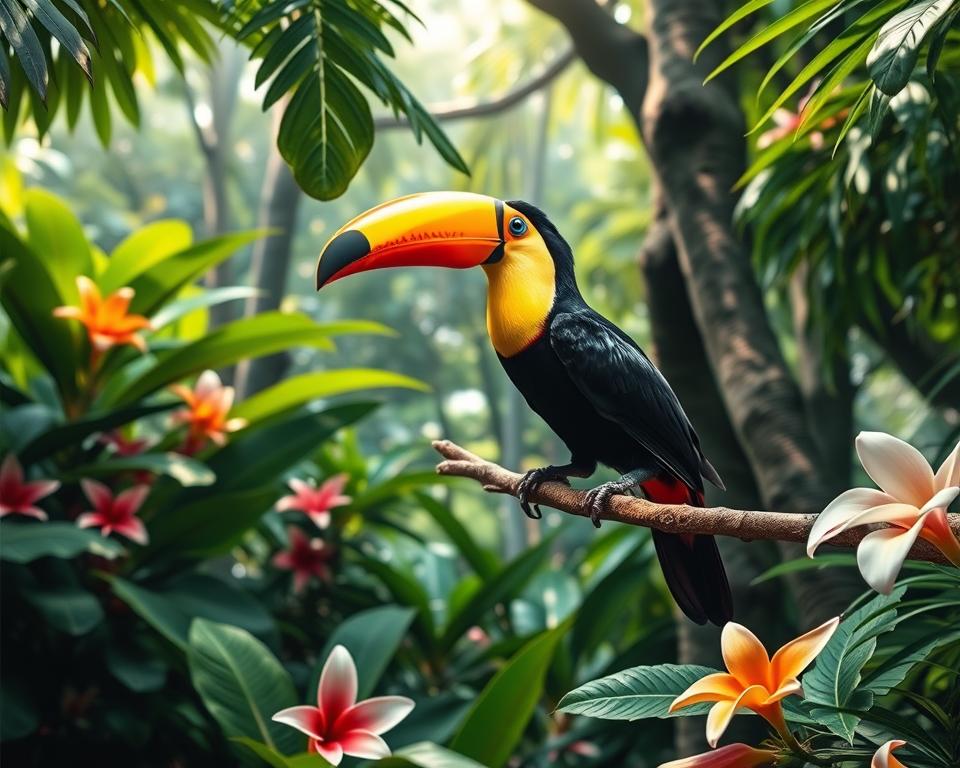
The tucano is an incredible bird. It is known for its colorful plumage and rich history. Its vibrant feathers make it a symbol of Brazil and attract many tourists. The tucano enchants with its beauty and is one of the most emblematic examples. Its beauty and history make it an icon of Brazil. Its colors are what most captivates people. The tucano sparks the curiosity of many. Therefore, it is very important for the Brazilian ecosystem. The Brazilian bird is a topic that deserves to be explored more. The tucano is one of the main examples of this.
Main Points
The tucano is a Brazilian bird known for its colorful plumage. The colorful plumage of the tucano is one of its main attractions. The tucano is a symbol of Brazil and an important tourist attraction. The Brazilian bird is a national treasure. The tucano is an icon of Brazil. The colorful plumage of the tucano is one of the main reasons why people fall in love with this Brazilian bird.
Unique Characteristics of the Tucano
The tucano is a fascinating bird, known for its unique characteristics. Its beak anatomy is very special. This allows it to pick fruits and insects in places that other birds cannot. The plumage patterns of the tucano are impressive. They have vibrant colors and detailed designs. These characteristics are essential for the tucano to survive and thrive in its habitat.
- Its ability to fly long distances in search of food
- Its skill to communicate with other tucanos through a variety of sounds and calls
- Its ability to adapt to different environments and habitats
In summary, the unique characteristics of the tucano make it a special bird. Its beak anatomy and plumage patterns are essential for its survival in the Brazilian ecosystem.
The Natural Habitat of This Majestic Bird
The natural habitat of the tucano is essential for its survival. The Brazilian ecosystem has various environments that help the tucano adapt and grow. It is crucial to conserve these habitats to maintain a healthy population of tucano birds. Some important factors for the tucano’s habitat are:
- Food availability
- Water quality
- Presence of predators
- Climate conditions
It is vital to protect the tucano’s habitat to preserve the biodiversity of the Brazilian ecosystem. This can be done through preservation and environmental education. Reforestation programs are an example of how conservation can be effective. They help restore the natural habitat of the tucano and maintain the health of the Brazilian ecosystem. In summary, the conservation of the tucano’s natural habitat is essential. It keeps the population of tucano birds healthy and protects the biodiversity of the Brazilian ecosystem.
Natural Habitat
- Brazilian Ecosystem
- Conservation
- Tropical forests
- Biodiversity
- Preservation
- Savannas
- Aquatic ecosystems
- Environmental education
- Mountains
- Terrestrial ecosystems
- Reforestation
Behavior and Feeding Habits
The behavior of the tucano is fascinating and important for understanding its ecology. Its diet includes fruits, insects, and small animals. This helps in adapting to the natural habitat. In terms of feeding habits, the tucano adapts well to different foods. Its diverse diet includes:
- Fruits, such as açaí and cupuaçu
- Insects, such as ants and beetles
- Small animals, such as lizards and amphibians
Moreover, the tucano has an interesting social behavior. It interacts complexly with others. Its daily routine includes:
- Searching for food
- Social interactions, such as singing and playing
- Resting and sleeping
In summary, the behavior and feeding habits of the tucano are essential for its survival. Its diverse diet and complex social behavior make it a fascinating species. It is important to study and protect it.
Importance of the Tucano in the Brazilian Ecosystem
The tucano is essential for the Brazilian ecosystem. It helps maintain ecological balance. Its ecological importance is significant, as it disperses seeds and pollinates plants. There are several reasons why the tucano is important:
- Seed dispersal: The tucano helps spread seeds from fruits and other plants. This increases species diversity.
- Pollination: It also helps pollinate plants. This is crucial for the reproduction of many species.
- Pest control: The tucano feeds on insects and other small animals. This helps control pests in the ecosystem.
It is crucial to conserve the tucano to maintain ecological balance. This can be done by protecting habitats, controlling hunting, and educating about the environment. In conclusion, the tucano is very important in the Brazilian ecosystem. Its ecological importance is great. The conservation of this species is essential to maintain ecological balance and species diversity.
Different Species of Tucanos in Brazil
Brazil is home to several species of tucanos. Each has its unique characteristics. These birds are known for their colorful beaks and vibrant plumage. They play an important role in the country’s biodiversity. Some of the most common species of tucanos in Brazil include the toco tucano, the green-billed tucano, and the banana aracari. Each of these species has its own characteristics and habitats. They are found in different regions of the country.
Characteristics of the Species
The toco tucano is known for its black and yellow beak. It is found in forests and scrublands. The green-billed tucano has a bright green beak. It is found in tropical forests. The banana aracari has a yellow and black beak. It is found in forests and savannas. These species of tucanos are important for the Brazilian ecosystem. They are a popular attraction for tourists visiting the country. Moreover, they play an important role in seed dispersal and plant pollination.
The Cultural Significance of the Tucano in Brazilian History
The tucano is a majestic bird with a profound cultural significance in Brazilian history. It is more than just a beauty and an important ecosystem. It is a national symbol and a major tourist attraction. Brazilian history shows the tucano as a sacred animal for many indigenous communities. The tucano is also a major attraction for tourism in Brazil. Many tourists come to see this majestic bird in its natural habitat. This helps the country’s economy by creating jobs and revenue for local communities. Here are some reasons why the tucano is important for tourism:
- It is a unique and exclusive attraction of Brazil
- It offers opportunities for observation and photography
- It contributes to the conservation of nature and biodiversity
In summary, the tucano is an iconic animal with a profound cultural significance in Brazilian history. It is a major attraction for tourism in Brazil. Its conservation is essential to preserve biodiversity and the culture of the country.
Threats and Conservation
The tucano faces several threats. Habitat loss due to deforestation and agricultural expansion is a major concern. This diminishes the food and living space for these birds. Hunting and illegal trade are also significant challenges. It is essential to create preservation projects. They help protect these birds and their habitats.
Main Challenges
- Habitat loss due to deforestation and agricultural expansion
- Hunting and illegal trade of tucano birds
- Lack of awareness and education about the importance of tucano conservation
Conservation Projects
There are projects to protect the tucano and its habitat. They include creating conservation areas and restoring degraded habitats. They also involve educating local communities about the importance of conservation. Collaboration between governments and non-governmental organizations is crucial. The conservation of the tucano is an ongoing effort. Everyone needs to get involved. With preservation and awareness projects, we can protect the tucano and its habitat. Working together, we can make a difference.
How to Observe Tucanos in Their Natural Habitat
Observing tucanos in their natural habitat is a unique experience. It is important to know the best places to see them and the observation techniques. Tucanos prefer areas rich in fruits and insects, their favorite food. Some tips for observing tucanos include:
- Choosing locations with dense vegetation and fruit trees, where tucanos often feed.
- Maintaining a safe distance to avoid disturbing the tucanos, allowing for respectful and safe observation.
- Using good quality binoculars for a more detailed view without invading the tucanos’ space.
Observation techniques are essential. It is important to respect the natural habitat of the tucanos. Observing quietly and patiently is fundamental for an enriching experience and for the preservation of these birds. Understanding the natural habitat of tucanos and how to observe them is crucial. The conservation of these birds and their habitat is everyone’s responsibility. Observing responsibly is an important step in this process. With these tips and a respectful approach, observing tucanos in their natural habitat can be unforgettable. It enriches our knowledge and appreciation for these incredible birds.
The Role of the Tucano in Brazilian Tourism
The tucano is very important for tourism in Brazil, especially in ecotourism. Many visitors want to see these majestic birds in their natural habitat. Ecotourism helps conserve the tucano and its habitat. This happens when people visit protected areas and respect nature. Why is the tucano so important for Brazilian tourism? Here are some reasons:
- Attraction of tourists: the tucano is a major attraction for nature lovers.
- Promotion of conservation: ecotourism helps protect the tucano and its habitat.
- Economic development: tourism brings money and creates jobs for local communities.
In conclusion, the tucano is essential for Brazilian tourism, especially in ecotourism. It helps conserve its natural habitat.
Conclusion
The tucano is incredible and very important for Brazil. This article showed its characteristics, where it lives, what it eats, and why it is essential. However, it faces significant challenges, such as habitat loss and illegal hunting. It is essential to protect the tucano. We need projects to save its home and educate about its importance. Ecotourism can help create jobs and educate people about this bird. United, we can keep the tucano enchanting future generations. It also helps maintain the balance of the Brazilian ecosystem. It is our duty to preserve the legacy of this bird.
FAQ
What makes the tucano such a special bird?
The tucano is a Brazilian bird that draws attention. Its colorful plumage and rich history are striking. Its unique characteristics, such as its distinctive beak and plumage patterns, make its beauty unique.
Where can we find the tucano in its natural habitat?
The tucano lives in the Brazilian ecosystem. There, it skillfully adapts to its natural habitat.
What are the main behaviors and feeding habits of the tucano?
The tucano has a varied diet and an interesting daily routine. Its social interactions are essential for understanding its ecology.
What is the importance of the tucano in the Brazilian ecosystem?
The tucano is crucial for the Brazilian ecosystem. Its conservation is vital to maintain the balance of the ecosystem.
What are the different species of tucanos found in Brazil?
In Brazil, there are several species of tucanos. Each has unique characteristics, such as the toco tucano and the banana aracari.
What is the cultural significance of the tucano in Brazilian history?
The tucano has a profound cultural significance in Brazil. It is seen as a symbol of the country. Its beauty and ecological importance also influence tourism.
What are the main threats and conservation projects for the tucano?
The tucano faces threats such as habitat loss and hunting. Conservation projects are essential to protect it. They also help raise awareness about the importance of its conservation.
How can I observe tucanos in their natural habitat safely and respectfully?
Observing tucanos in their habitat is a unique experience. There are locations and techniques to ensure safe and respectful observation.
What is the role of the tucano in Brazilian tourism?
The tucano is important for Brazilian tourism, especially ecotourism. Responsible tourism helps in the conservation of the tucano and its habitat.