When we think of cockroaches, the invasive insect that appears in indoor environments, causing discomfort and concern, immediately comes to mind. However, there is a specific variety known as wood cockroach, which differs significantly from this negative image. In this article, you will learn about this fascinating species, its habits, characteristics, ecological importance, and its striking differences compared to other common cockroaches.
After all, understanding the behavior and environmental role of the wood cockroach is essential not only to appreciate biodiversity but also to avoid misconceptions about its presence in nature and outdoor environments.
What is the Wood Cockroach?
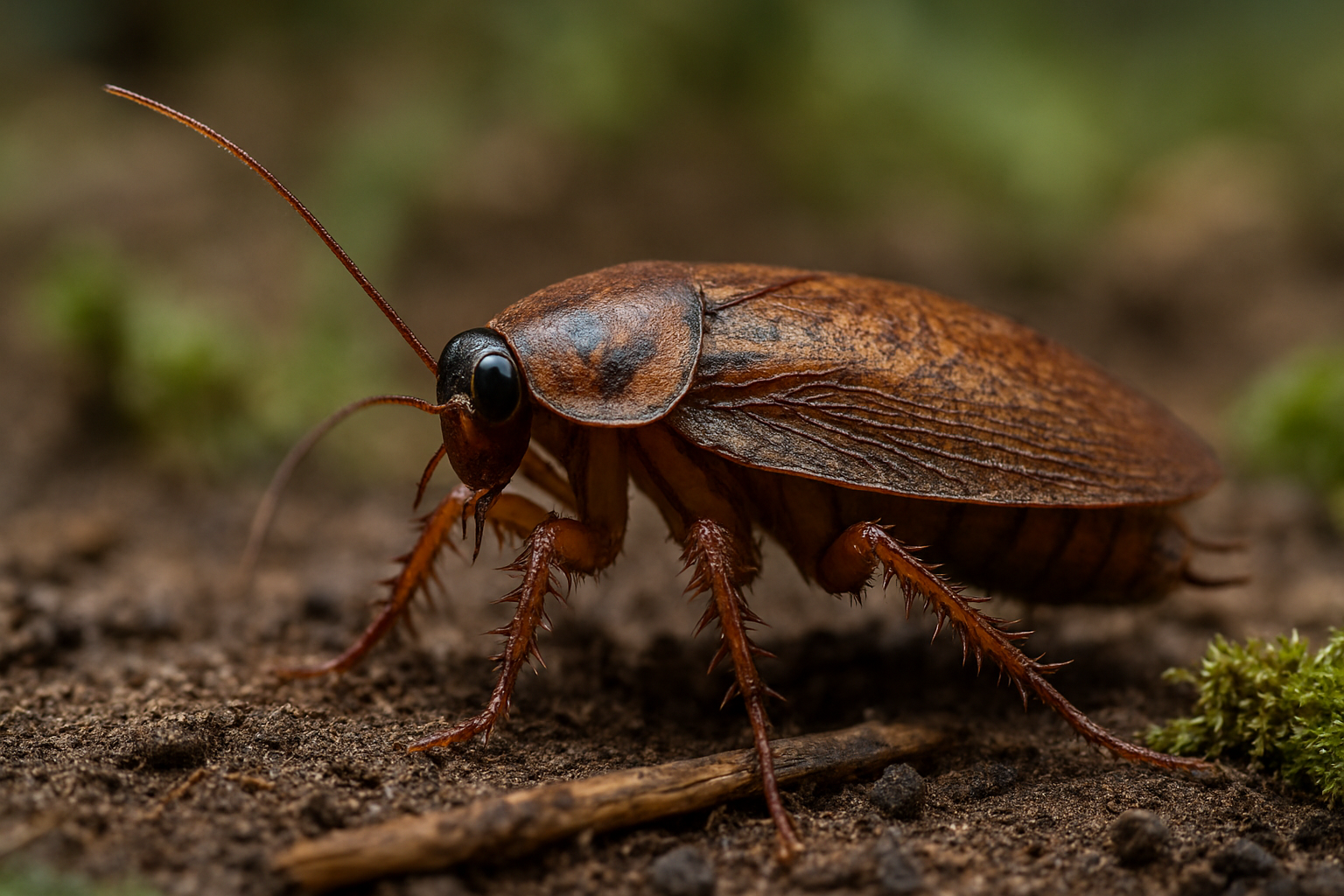
The wood cockroach is a type of insect belonging to the Blattodea family, notable for its association with outdoor environments, especially those rich in organic matter, such as decaying wood. Unlike urban cockroaches, it has an appearance and characteristics that clearly differentiate it. The coloration typically varies between shades of brown, grayish, or reddish, and its body has a more elongated shape, with wings that are not always used for flight.
There are different species within the group commonly referred to as wood cockroaches, and they are often confused with other insects due to their natural camouflage. Additionally, these cockroaches are much smaller and exhibit discreet habits, making them minimally invasive and practically harmless.
Habitat and Behavior
Primarily, the wood cockroach prefers outdoor environments, particularly areas where there is decaying wood, dry leaves, and logs, places that provide shelter and food. It is commonly found in forests, parks, and gardens, living under tree bark or among plant debris.
Unlike urban cockroaches that invade homes, this species exhibits a non-invasive behavior and rarely approaches enclosed spaces. Its activity mainly occurs at night, when it seeks food and interacts with its surroundings.
Moreover, its role in natural environments is crucial for nutrient recycling, making it an important ecological agent. It is interesting to relate its habitat to other species that also depend on wood and outdoor environments, such as the termite and the leafcutter ant, which, despite causing damage, simultaneously interact with the natural ecosystem.
Feeding and Life Cycle
Regarding feeding, the wood cockroach primarily consumes decomposing organic matter, such as rotten wood, dead leaves, and other plant debris. This diet substantially differentiates it from urban cockroaches, which prefer food scraps and dirty environments.
The life cycle of the wood cockroach includes several stages, from egg to adult phase. Reproduction involves laying eggs in protected locations, ensuring the survival of the young in environments with moisture and shade, essential conditions for proper development. Lifespan varies depending on the species and environmental conditions, but generally, these cockroaches live on average a few months to a year.
Additionally, their adaptive characteristics allow them to survive in less favorable locations, thus contributing to the sustainability of their habitat.
The Ecological Importance of the Wood Cockroach
Indeed, the wood cockroach plays an essential role in the balance of natural ecosystems. By consuming decomposing organic matter, it contributes to composting and decomposition, fundamental processes for recycling essential nutrients for soil and vegetation.
This insect acts as a recycling agent, accelerating the degradation of plant material, which enhances soil fertility and maintains local biodiversity. Furthermore, it serves as food for various natural predators, such as spiders, bats, and birds, integrating into food chains and strengthening environmental dynamics.
In fact, the presence of the wood cockroach is a healthy indicator of a balanced natural environment, especially in areas with a significant presence of other external organisms, such as the stick insect and the harvestman, which coexist in similar habitats.
Differences Between Wood Cockroaches and Other Cockroaches
Although the word “cockroach” refers to various types of insects, the differences between the wood cockroach and urban cockroaches are substantial. The wood cockroach prefers outdoor environments, away from residences, while common cockroaches favor indoor locations, especially in areas with accessible food and poor hygiene.
Additionally, urban cockroaches are known to be potential vectors of diseases due to their constant exposure to contaminated environments. In contrast, the wood cockroach poses no risk to human health, as its natural habitat limits contact with urban areas and pathogens.
Another relevant point is how each interacts with the environment: the wood cockroach contributes to natural decomposition, while other cockroaches are considered urban pests. Thus, it is important to recognize these differences to avoid the indiscriminate use of insecticides and preserve ecological balance.
Conclusions
In summary, the wood cockroach is a clear example of how different species within the same group can play entirely distinct ecological roles. Contrary to the negative reputation surrounding common cockroaches, the wood cockroach is an ally of nature, aiding in the decomposition of organic matter and maintaining environmental balance.
Therefore, recognizing its characteristics, habits, and importance contributes to a more balanced view of the insect, allowing for preservation when possible and conscious control when necessary. Additionally, understanding these differences aids in the proper management of natural and urban environments, promoting harmonious coexistence among living beings.
Finally, for those interested in the incredible world of insects and their interaction with the environment, the wood cockroach is a fascinating species that deserves attention and respect, especially in the context of biodiversity in outdoor ecosystems.
Did You Know?
What exactly is the wood cockroach?
The wood cockroach is an insect that lives in outdoor environments, primarily in decaying wood and plant debris, differing from urban cockroaches in its habits and appearance.
Does the wood cockroach usually invade homes?
No, the wood cockroach is minimally invasive and rarely approaches indoor environments, preferring natural habitats and decaying wood.
What does the wood cockroach eat?
It feeds on decomposing organic matter, such as rotten wood, dead leaves, and other plant debris.
What is the life cycle of the wood cockroach like?
The cycle includes laying eggs in protected locations, followed by the development of nymphs to adulthood, and can last from a few months to a year, depending on environmental conditions.
Is the wood cockroach harmful to human health?
No, unlike urban cockroaches, the wood cockroach is not considered a disease vector and does not pose a risk to human health.
What is the ecological importance of the wood cockroach?
It contributes to the decomposition of organic matter, aiding in the recycling of nutrients in the soil and maintaining the balance of natural ecosystems.
How to differentiate the wood cockroach from other cockroaches?
The wood cockroach prefers outdoor environments and has habits and appearance that differentiate it, such as a more elongated body and a preference for decaying wood, unlike urban cockroaches.
What other insects have similar habitats to the wood cockroach?
Insects such as the termite, the leafcutter ant, and the stick insect share similar habitats with the wood cockroach.
Can the wood cockroach be considered a pest?
No, it is not considered a pest, as it does not invade homes or cause significant damage, playing a beneficial role in nature.
How does the wood cockroach contribute to the environment?
It helps in the decomposition of organic waste, promoting soil fertility and serving as food for other animals, which strengthens the ecosystem.