Sea Snake: Mysteries and Adaptations of the Ocean
These intriguing beings, adapted to marine life, inhabit the oceans with a unique grace. In this article, we will explore their biological characteristics, behavior, habitat, interaction with ecosystems, and the threats they face in the modern era.
General Characteristics
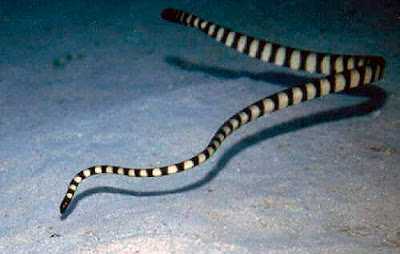
Sea snakes, with their slender and elongated bodies, are true masters of adaptation to the aquatic environment. Their hydrodynamic shape allows them to move efficiently in deep waters. These creatures have an elongated body that can reach over three meters, facilitating their locomotion and maneuvering beneath the ocean’s surface. Their smooth and superficial scales reduce friction while swimming, a crucial characteristic for survival at sea.
The limbs, which in many snakes are visible, have transformed into fins adapted for the marine environment. Thus, their extremities are quite distinct, allowing agile movements. This modification is an impressive testament to how evolution has influenced body structures. Their eyes are positioned to provide excellent underwater vision, while their nostrils can be closed during immersion, preventing water entry.
Sea snakes have also developed extraordinary physiological adaptations. Their bodies are enveloped by an efficient respiratory system, maintaining the ability to perform gas exchanges even underwater for long periods. Additionally, they possess a mechanism for regulating body temperature, allowing them to survive in varied waters.
Their sharp, curved teeth are perfect for capturing and holding slippery prey. Such morphological and physiological adaptations reveal the complexity and beauty of the marine universe. To learn more about the fascinating marine biodiversity, visit Lula: The Animal with Feet on Its Head.
Habitat and Distribution
Sea snakes, fascinating creatures of the ocean, inhabit a variety of aquatic environments. They are primarily found in tropical and subtropical waters, where coral reefs and coastal lagoons provide an ideal habitat. These areas are rich in biodiversity, offering both shelter and food for these snakes. Sea snakes are adept at marine environments, rarely venturing into freshwater or onto land.
In fact, these remarkable creatures can be seen in various regions around the world, from the Caribbean Sea to the Indian Ocean. The geographic distribution of sea snakes varies with changes in ocean temperatures and prey availability. Warm waters allow these snakes to thrive, while cooler waters limit their presence.
Depending on the species, sea snakes adapt to different types of habitats. Some prefer coral reefs, where they hunt fish and crustaceans. Others make lagoons and estuaries their homes and hunting grounds. These snakes are known for their ability to swim and dive efficiently, using their flattened tails that act like paddles.
Moreover, they have an incredible ability to move quickly beneath the water’s surface, allowing them to effectively hide from predators and approach their prey. Observing a sea snake gliding gracefully through a reef is a true testament to the remarkable adaptations these creatures have acquired over time.
Behavior and Reproduction
Sea snakes, fascinating creatures that glide through the waters, exhibit intriguing social behaviors. Although solitary by nature, they gather during the breeding season. Males perform elaborate dances to attract females. These impressive displays include twists and turns, showcasing their vibrant colors. Once a female selects a mate, they engage in a mating ritual that can last for hours. Fertilization is internal, and after a gestation period, the female gives birth to fully formed young, ready for life in the ocean.
Regarding their interaction with prey, sea snakes are cunning and adaptable predators. They use their sensory skills to locate food, such as fish and crustaceans. The hunting technique varies, but often involves a stealthy approach. They may patiently wait, camouflaged among the corals, until the prey comes close enough for a quick strike.
Interactions with predators are equally fascinating. Sea snakes that are attacked adopt evasive behaviors. They often dive quickly or hide among the rocks. Some species, when feeling threatened, may even coil defensively. This defensive response highlights the adaptability of this species to threats in their marine habitat. With their underwater lifestyle, sea snakes exemplify the complexity of animal behavior in nature. To learn more about the behavior of fascinating creatures like the orca, you can visit After All, Is the Orca a Whale or a Dolphin?.
Venoms and Predation
Sea snakes are true masters of venom in the vastness of the oceans. Through their unique ability, they inject venom into their prey, rendering them vulnerable and facilitating capture. The venom of sea snakes is largely neurotoxic. This means their toxins attack the nervous system of the prey with incredible efficiency. When a sea snake bites, the prey typically experiences almost instant paralysis, rendering it unable to escape.
Among the most common prey of sea snakes are fish, shrimp, and other small ocean inhabitants. These animals, when bitten, may begin to exhibit varying symptoms, such as tremors and loss of motor control. The venom of the snakes not only facilitates capture but can also have direct effects on digestion. After the prey is captured, the venom begins to break down the body’s tissues, preparing the prey for ingestion.
Although venom is a sophisticated predatory mechanism, it also poses a risk to sea snakes. If they are not careful, they can accidentally poison themselves during hunting. Therefore, snakes must align their cunning with an impressive ability to avoid accidental bites.
This fascinating cycle of life and death underwater reminds us of the complexity of the marine food chain. A notable example of venomous interactions in the animal kingdom is presented by spiders. They also have venoms adapted to efficiently prey on their targets. To learn more about these incredible hunting strategies, explore the world of jumping spiders. Sea snakes continue to fascinate us with their adaptations and predatory strategies in an environment that often seems relentless.
Conservation and Future
The majestic sea snake, inhabitant of the deepest oceans, faces critical challenges for its survival. Ocean pollution is one of the most pressing threats. Plastics and chemicals infiltrate their habitats, compromising their health and prosperity. The consumption of fish contaminated with mercury and other pollutants directly affects their food chain.
Climate change also plays a devastating role. Rising ocean temperatures and water acidification harm marine ecosystems. This affects the health of coral reefs, which are vital for the survival of sea snakes. Additionally, the destruction of coastal habitats and mangroves, essential for breeding and shelter, reduces their chances of recovery.
Overfishing is another significant threat. With the drastic decline of fish populations that snakes depend on for food, their survival becomes even more vulnerable. Indiscriminate fishing practices and accidental capture in trawl nets continue to claim their lives.
Fortunately, conservation initiatives are being implemented. Reef restoration projects and marine area protection programs are crucial. Researchers and conservationists are joining forces to educate the public about the importance of sea snakes and their preservation. Awareness can lead to behavioral changes and policies aimed at reducing pollution and overfishing. Preserving this magnificent marine predator is essential for the balance of oceanic ecosystems. To learn more about the challenges faced by large marine predators, check out this fascinating article on orcas.
Conclusions…
Sea snakes demonstrate incredible adaptation to the oceanic environment, with powerful venoms and fascinating behaviors. Preserving their habitats is crucial to ensuring their future and the health of the marine ecosystems they inhabit.
Did You Know?
What are sea snakes?
Sea snakes are aquatic reptiles adapted to life in the ocean, known for their unique appearance and potent venom.
How have sea snakes adapted to the marine environment?
They have developed characteristics such as hydrodynamic bodies, efficient lungs, and, in many cases, venoms that assist in capturing prey.
What are the main dietary habits of sea snakes?
These snakes primarily feed on fish and crustaceans, using their venom to paralyze prey and facilitate feeding.
What threats do sea snakes face?
Sea snakes face threats such as pollution, accidental capture in fisheries, and the degradation of their natural habitats.
What role do sea snakes play in marine ecosystems?
They play a crucial role in controlling prey populations and help maintain balance in oceanic ecosystems.