The Fascination of the Water Snake
The water snake, an intriguing serpent found in freshwater, reveals a fascinating world full of adaptations and behaviors. In this article, we will explore its characteristics, habitats, and the role it plays in its ecosystem, as well as debunk common myths surrounding this species.
Physical Characteristics
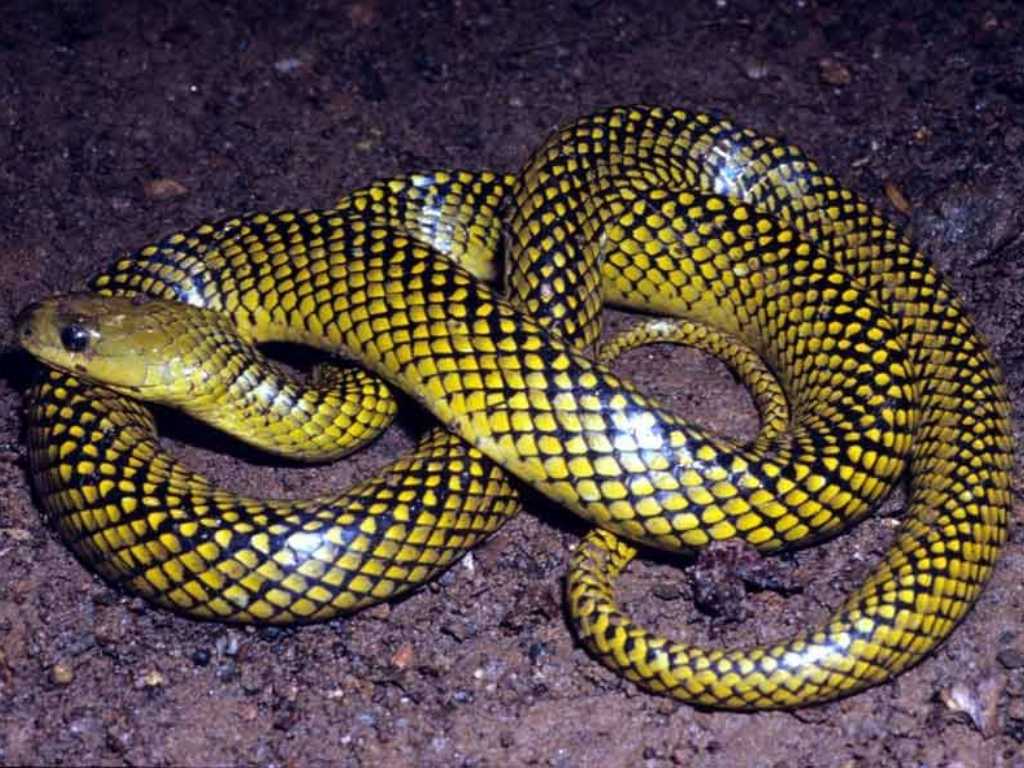
The water snake, with its intriguing appearance, is a true spectacle of nature. Commonly found in rivers and lakes, this snake exhibits a coloration that ranges from green to gray. This camouflage is not merely aesthetic; it is an essential adaptation for survival in aquatic environments. Often, its coloration blends with aquatic vegetation, providing safety from predators and facilitating hunting.
The size of this snake is equally impressive. It can reach up to three meters in length, making the water snake one of the largest water snakes in the world. This body length is accompanied by a slender body, ideal for locomotion in aquatic environments. Its physical characteristics are a sublime example of how evolution has shaped the species for life beneath the surface.
One of the most fascinating adaptations of this snake is the shape of its fins. Instead of dragging itself like other snakes, the water snake uses a wave-like motion. Its muscles are adapted for this task, providing agile and effective swimming. Additionally, the snake has smooth, polished scales that reduce water resistance. Its eyes are also curious; they have a protective membrane that allows the snake to see underwater. This is vital, as the water snake relies on vision to hunt fish and other food in its habitat. This combination of physical characteristics not only makes it unique but also transforms it into a master of the waters. For more about fascinating aquatic life, check out this article on the **biguatinga**, a bird that also stands out in aquatic environments.
Habitat and Distribution
The water snake reveals itself in various habitats around the world. This reptile is primarily found in tropical forests, savannas, and semi-arid areas. Each of these locations provides a unique environment, shaping its behavior and lifestyle.
In tropical forests, the water snake moves skillfully among the trees. The dense canopies offer shelter and camouflage against predators. This biodiversity-rich environment allows it to explore a variety of prey. The heat and humidity are ideal for its reproduction and metabolic activity.
In contrast to the lush forests, savannas present a different scene. In this vast open expanse, the water snake uses its agility to hunt. It hides in bushes and shrubs, waiting for the right moment to strike. The scarcity of shelter demands a more vigilant behavior, as predators like birds of prey are always lurking.
In semi-arid areas, its adaptability is put to the test. The water snake must be cunning to survive in a habitat that oscillates between extreme dryness and occasional rains. Here, it becomes an efficient forager, seeking food in arid environments. At the same time, it adapts its behavior to maximize its chances of capturing prey.
This diversity of environments is a testament to the incredible resilience of the water snake. Each habitat not only defines the behavior and diet of this reptile but also illustrates its importance in the regional web of life. To learn more about adaptations in diverse environments, visit the article on the **Jumping Spider**: the most intelligent arachnid.
Behavior and Diet
The water snake, with its impressive appearance, possesses fascinating behaviors that set it apart in its aquatic environment. It is a predominantly aquatic creature, spending most of its time in rivers and ponds, where its presence is almost continuous. One of its most striking characteristics is the way it hunts. Using its keen eyesight and sensitivity to movement, the water snake hides among the vegetation, patiently waiting for its prey to approach.
The menu of this snake is diverse, primarily consisting of fish, amphibians, and small crustaceans. Its capture technique is impressive. It lunges quickly to grab its victims with its voracious jaws. Thus, the water snake plays a vital role in controlling fish populations in its habitats. This dynamic helps maintain the ecological balance of the region.
Social interactions in the life of the water snake are also noteworthy. Although they are mostly solitary, they occasionally gather in areas of abundant food. Depending on the season, they attract other animals, such as aquatic birds and mammals that share the same environment. The presence of the water snake is a healthy indicator of aquatic ecosystems, as its diet and habits reflect the health of the habitat in which it lives. The importance of the water snake extends beyond its role as a predator. Its existence helps preserve the bioactivity of rivers and lakes, making it an essential part of its community. For more information on aquatic fauna, it is recommended to visit the **biguatinga**, the fascinating bird of Brazilian waters.
Myths and Fakelore
The water snake is often misunderstood, surrounded by myths that obscure its true nature. One of the most common misconceptions is the belief that it is venomous. In reality, this aquatic snake poses no risk to humans, as it has teeth unsuitable for injecting venom. The fear may be amplified by its impressive appearance and agile behavior in the water.
Another popular myth is the notion that water snakes are fierce predators, attacking indiscriminately. In fact, they primarily feed on fish and amphibians, playing a critical role in the balance of the aquatic ecosystem. This natural predator helps control the populations of its prey, preventing the collapse of the habitat in which they live.
Moreover, water snakes are often confused with deadly snakes, such as cobras. This confusion can lead to hostile attitudes and an increase in water snake deaths at the hands of frightened and misinformed people. It is essential to educate the population about the importance of these snakes for the health of ecosystems, emphasizing that they are allies, not adversaries. The myth of the water snake as an aggressive creature must be debunked. The true behavior of this species is to flee when threatened, avoiding confrontations whenever possible. Through our understanding and respect, we can protect these magnificent aquatic creatures. For more information on biodiversity and the importance of various species, also check out the article on the **bigua**, a bird of Brazilian waters.
Conservation and Future
The fascinating world of the water snake, inhabiting rivers and swamps, is under increasing threat. Many of these snakes are struggling for survival. Among the main challenges are habitat destruction, water pollution, and the introduction of invasive species. The aquatic ecosystems where the water snake thrives are in constant degradation due to human activities. Urbanization, agriculture, and deforestation are reducing the available areas for these majestic snakes.
Conservation organizations have been working hard to protect the water snake and its habitat. Habitat restoration programs are essential. These efforts aim to recover degraded ecosystems, allowing the snakes to thrive again. Public awareness campaigns are also being conducted. These initiatives educate communities about the importance of water snakes. Raising awareness about biodiversity is crucial to ensure that these creatures do not disappear.
Furthermore, researchers monitor water snake populations. They collect data on their behavior and reproduction to better understand their needs. This helps identify priority areas for conservation. Strategically, environmental protection areas are established to ensure the safety of these snakes.
It is vital to recognize the importance of the water snake in the aquatic ecosystem. They are essential predators, controlling the populations of their prey. Protecting the water snake is not just a matter of saving a species; it is a matter of preserving the health of the entire ecosystem. To learn more about the importance of animal conservation, check out the article on the **Rhinoceros**.
Conclusions…
The water snake is a silent witness to biodiversity in aquatic environments. Its importance goes beyond what appears at first glance, influencing ecological balance. By understanding and respecting this snake, we ensure the preservation of its habitats and the continuity of its story.
Did you know?
Is the water snake venomous?
No, the water snake is generally not venomous and is considered safe for humans.
Where does the water snake live?
The water snake is found in freshwater environments, such as rivers, lakes, and swamps.
What is the diet of the water snake?
The water snake primarily feeds on fish and small aquatic animals.
How does the water snake reproduce?
The water snake reproduces by laying eggs, usually in safe areas near water.
What are the threats to the water snake?
Threats include pollution, habitat destruction, and indiscriminate hunting.