Black Caiman: The Giant of the Amazon Waters
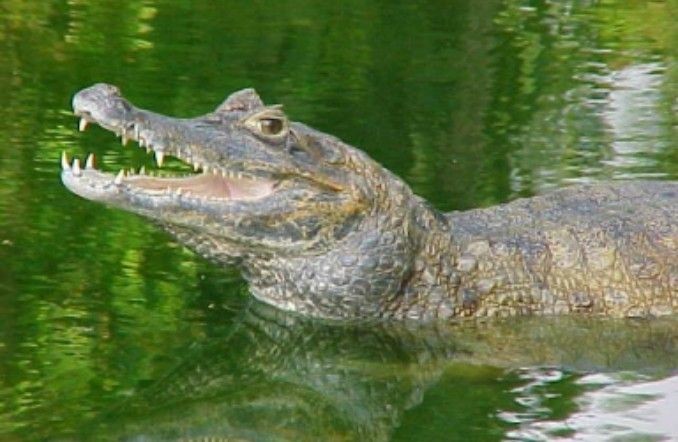
The Black Caiman, one of the largest crocodilians in South America, is an impressive creature that inhabits the rivers and lakes of the Amazon. In this article, we will explore its characteristics, behavior, habitat, ecological importance, and the threats it faces.
Physical Characteristics
The leatherback turtle is a true marvel of nature. This giant of the seas can reach up to 2.2 meters in length and weigh an impressive 700 kilograms. Its size makes it the largest among sea turtles. But what truly distinguishes it is the structure of its shell. Unlike other turtles, which have hard and rigid shells, the leatherback turtle has a flexible carapace. This carapace is made up of thick skin and a lattice of cartilage that provides agility and hydrodynamics. This adaptation allows it to move easily through the deep and often turbulent waters of the ocean. Additionally, the leatherback turtle is equipped with highly specialized skin. Its fat glands help maintain internal temperature during long migrations. While swimming, it uses its wide flippers, which are the most developed among turtles. These flippers are essential for its incredible ability to cover great distances, traveling thousands of kilometers in search of food or nesting areas. Another fascinating aspect is its coloration. Its skin varies from dark brown to grayish-green, providing camouflage in its oceanic habitats. Besides being impressive in size and appearance, the adaptations of the leatherback turtle reflect a perfect evolution for marine life. To understand more about marine biodiversity, you can explore how different creatures adapt to their environment.
Behavior and Feeding
The Black Caiman is a master of adaptation. Its presence in the calm waters of the Amazon is a testament to its hunting skills. This large predator, with an impressive camouflage ability, uses the environment to its advantage. It hides among the water lilies and the roots of floating trees, waiting for its prey to pass by. Its hunting strategy is a combination of patience and precision. When it approaches an unsuspecting animal, the Black Caiman lunges with speed and agility, using its powerful thrust to grab it. The diet of the Black Caiman is diverse. It primarily feeds on fish but also captures birds and small mammals that come close to the water. Its mouth, filled with sharp teeth, is an effective weapon. After a successful capture, it can roll its body in the water, causing a movement known as ‘death roll,’ which ensures that the prey is incapacitated. These caimans exhibit active behavior at night, becoming formidable hunters in the dark. This nocturnal activity is crucial for their survival, as it is when many of their prey are most vulnerable. The Black Caiman’s ability to blend in with its environment also protects it from predators. Its adaptability is a reflection of evolution and the delicate balance of life in the Amazon waters. For more on the complexities of wildlife, you might be interested in this article about Brazilian water birds, detailing how different species integrate into their ecosystems.
Habitat and Distribution
The impressive leatherback turtle, the largest of all sea turtles, predominantly inhabits tropical and subtropical oceans. These magnificent creatures can be found in almost all oceans of the world, except in the colder waters of the Arctic and Antarctic. Its habitat varies widely, ranging from deep, open ocean waters to shallow coasts where reproduction occurs. Throughout its life cycle, they roam vast areas in search of food and suitable nesting sites. Leatherback turtles typically prefer habitats with milder temperatures, which leads them to migrate to warmer waters during the breeding season. Females return to specific beaches to lay eggs; these locations are often the same ones where they were born. The Gulf of Mexico, some Pacific islands, and regions of the Atlantic, such as the Florida coast, are known to host these species. Among the most notable nesting areas are the beaches in northern Florida and the coast of Tahiti. Coral reefs and seagrass beds are essential habitats for the leatherback turtle. In these environments, they feed and shelter from predators. The reefs also provide a nutrient-rich environment, crucial for the development of hatchlings. While adults prefer more open waters, young turtles usually stay in coastal areas, where they thrive in their early years. Thus, the protection of these habitats is vital for the preservation of this extraordinary species. For more on the preservation of natural environments, you can visit this link.
Ecological Importance
The Black Caiman, with its impressive size, plays a crucial role in the delicate balance of the Amazon ecosystem. As a top predator, it acts as a regulator of populations of various species, contributing to the maintenance of biodiversity. By hunting, the Black Caiman helps control populations of fish, waterfowl, and small mammals, preventing overpopulation and the consequences that arise from it. The behavior of the Black Caiman reflects its fundamental role in the food chain. This magnificent reptile is an opportunistic predator, feeding on a variety of prey that includes fish, crustaceans, and even small mammals. This flexibility in its diet means it can adapt to different conditions, ensuring its survival in ever-changing environments. Furthermore, the Black Caiman also influences the habitat around it. By creating holes in the banks of rivers and lakes, it helps maintain water flow, which is vital for the health of aquatic ecosystems. These holes provide shelter for various species of fish and invertebrates, contributing to a vibrant and dynamic food web. Importantly, it is also essential to consider how the presence of the Black Caiman impacts other predators that share its habitat. By regulating the populations of its primary prey, it influences the competitive dynamics among different species, promoting a diversity that is the essence of the Amazon. The balance that the Black Caiman provides is a testament to how every creature, regardless of its size, has a significant impact on its ecosystem. To learn more about how different species interact in natural communities, check out this article about the Biguatinga.
Threats and Conservation
The charming leatherback turtle, the largest of all sea turtles, faces alarming challenges. Ocean pollution is one of the most serious threats. Microplastics and floating debris often deceive these majestic creatures, which ingest waste, causing internal damage or even death. In addition to pollution, accidental capture in fishing nets is a growing problem. This capture, known as bycatch, results in severe injuries and death, being a harsh blow to an already threatened species. Climate change also has a significant impact. Rising sea temperatures affect prey availability and alter habitats. Additionally, elevated temperatures change the sex of hatchlings developing in nests. When the nest temperature exceeds a certain threshold, more females than males are born. This imbalance can threaten future reproduction. Fortunately, several conservation initiatives are being implemented. Non-governmental organizations and governments are working together on preservation projects. Nest protection programs and population monitoring have shown promise. Partnerships with fishermen have helped develop methods to reduce bycatch. Local communities also play a crucial role. By involving people in the protection of the leatherback turtle, these initiatives become more effective. An increasing awareness of the importance of this species contributes to its preservation. The fight for the survival of the leatherback turtle continues, but collective effort can make a difference. To understand more about the impact of pollution on marine life, visit here.
Conclusions…
The Black Caiman is a majestic symbol of Amazonian biodiversity, standing out not only for its size but also for the importance it represents for the ecosystem. Protecting this species is vital for the conservation of the Amazon and its delicate habitats.
Did You Know?
What is the size of the Black Caiman?
The Black Caiman can reach up to 5 meters in length, making it one of the largest crocodilians in the world.
Where does the Black Caiman live?
It inhabits the rivers, lakes, and swamps of the Amazon region, often found in freshwater environments.
What is the diet of the Black Caiman?
The Black Caiman is carnivorous and feeds on fish, birds, mammals, and other animals that come close to the water.
What are the threats to the Black Caiman?
The main threats include habitat destruction, hunting, and pollution of the rivers and lakes where it lives.
How does the Black Caiman adapt to its habitat?
Its camouflage allows it to blend easily into the aquatic environment, facilitating hunting and protection against predators.