The Fascinating Panama Golden Frog
The Panama Golden Frog, with its radiant glow and unique characteristics, is one of the natural treasures of the world. This amphibian, which boasts an intense golden color, is not only stunning but also a species at serious risk of extinction. Below, we will explore its attributes, habitat, threats, and the conservation efforts necessary to preserve this rare gem.
Unique Characteristics
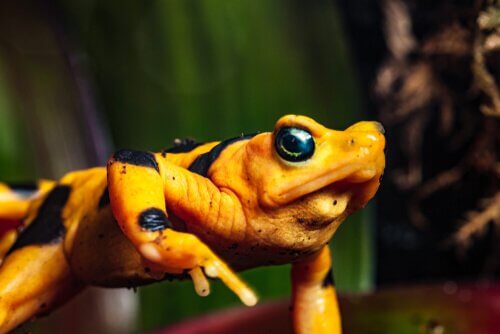
The Panama Golden Frog is undoubtedly one of the most intriguing creatures in the natural world. Its vibrant coloration is a spectacle for the eyes. The body of this frog is adorned with a bright golden yellow hue, almost as if the forest light is reflecting off its skin. This coloration is not only beautiful but also functional. It is a classic example of aposematism, where the vividness of colors signals to predators that this frog is toxic. With its skin filled with powerful toxins, the Panama Golden Frog effectively protects itself from potential threats.
The shape of its body is equally fascinating. Measuring between 2 to 5 centimeters, its small size does not diminish the impressive adaptability it possesses. The hind legs are long and muscular, allowing for agile and quick jumps. This is crucial for escaping predators, as well as enabling effective movement in dense forests. The texture of the skin is slightly rough, which helps regulate moisture during temperature changes in its environment.
Behaviorally, this frog is nocturnal, tending to be more active at night. During the day, it seeks refuge in moist places to avoid dehydration. This preference for humid hiding spots is an indispensable adaptation to its habitat. During mating, males emit audible calls, thus attracting females. Vocal communication is, therefore, an essential part of its social life. The intensity of colors, agility in jumping, and the ability to vocalize are just a few of the many characteristics that make the Panama Golden Frog a wonder of the animal kingdom, fascinating in beauty and complexity. For more information about the beauty of biodiversity, visit Tucano: The Bird That Charms with Its Beauty.
Natural Habitat
The Panama Golden Frog, one of the most fascinating creatures of biodiversity, inhabits the humid tropical forests of the Caribbean Basin in Panama. This lush environment, teeming with life, is a true paradise, providing not only shelter but also an abundance of vital resources. The dense, tall vegetation forms a canopy that filters sunlight, creating intriguing shadows and differentiated microclimates.
Temperatures in the tropical rainforest typically hover around 27 to 30 degrees Celsius, with high humidity. This combination provides an ideal habitat for the Panama Golden Frog, which depends on a moist environment for its survival. Frequent rains, occurring throughout the year, ensure that small streams and running water sources remain abundant, facilitating reproduction.
The species is adaptable, preferring to live in forest areas near bodies of water. The locations where mating occurs are generally aligned with freshwater, as these environments provide the necessary moisture and safe spots for eggs. Young tadpoles also thrive in small streams and ponds, where they can develop away from predators.
In this ecosystem, the Panama Golden Frog interacts harmoniously with other species, such as insects and plants, forming a true web of life. To learn about a similar example of ecological dependence, check out the biguatinga, which also plays a crucial role in its habitat.
Threats to Survival
The Panama Golden Frog, with its mesmerizing beauty, faces a series of threats that put its survival at risk. One of the most devastating factors is habitat loss. Deforestation, caused by human activities, reduces the tropical forests that are essential for its reproduction and feeding.
Water source contamination, caused by the use of pesticides and industrial pollutants, can be lethal for these amphibians. The Panama Golden Frog is highly sensitive to changes in its environment, making it a canary in the coal mine of environmental health. Pollution not only harms its health but also affects its food chain.
Moreover, climate change introduces unpredictable variables. Rising temperatures and altered rainfall patterns are destroying the habitats of this frog. Climate variations can cause severe droughts or floods, both detrimental to the reproduction and survival of tadpoles.
The illegal wildlife trade also poses a serious threat. The indiscriminate collection for pet trade and biological curiosities severely impacts the wild population. Unfortunately, this practice is appealing due to its vibrant coloration and rarity.
The Panama Golden Frog symbolizes the beauty of biodiversity but faces challenges that require attention. Preserving it is vital for the health of the ecosystem where it lives, reflecting the importance of protecting not only this species but also its habitat. For a broader discussion on the various threats faced by unique species, check out this article.
Ecological Importance
The Panama Golden Frog, with its vibrant color and fascinating appearance, is an essential piece within the ecological mosaic of its habitat. As a sensitive amphibian, its presence indicates the health of the environment in which it lives. The degradation of its habitat often signals broader issues affecting other species. Within its ecosystem, this frog plays crucial roles in the food chain. Insects, its primary prey, are controlled by its feeding. This helps regulate insect populations, preventing outbreaks that can cause imbalances. Thus, the Panama Golden Frog is not just a beauty to be admired; it is a natural controller. Simultaneously, its larvae and metamorphosis are food sources for other predators, such as fish and birds. This makes it a vital link in the energy transfer between different trophic levels. The loss of frogs like this can, therefore, trigger a chain of events that harms not only their population but also various other species in their community. Furthermore, frogs, including the Golden Frog, are important bioindicators. Their sensitivity to environmental changes makes them alert to the conditions of water and soil. Changes in their populations often signal pollution or climate alterations. Protecting the Panama Golden Frog, therefore, ensures the preservation of a rich ecosystem full of biodiversity and health. For those who wish to better understand the complexity of ecosystems that protect fauna and flora, this article on Brazilian Water Birds offers a comprehensive view.
Conservation Efforts
The Panama Golden Frog is a symbol of endangered biodiversity. Conservation initiatives have become essential to protect this intriguing species. Various organizations dedicated to conservation are implementing projects focused on the rehabilitation and preservation of the natural habitats of frogs. The degradation of its environment results from urbanization and agriculture. Therefore, these projects aim to restore degraded areas, promoting ecological recovery.
Researchers are working hard to better understand the consequences of diseases affecting the frog. The chytrid fungus, which has devastated populations globally, remains a challenge. Monitoring programs ensure continuous assessments of populations. Thus, the information collected is crucial for developing effective management and protection strategies.
Moreover, government policies are vital. The implementation of protected areas and national parks helps safeguard natural habitats. Community involvement is equally important. Educating local residents about the importance of the Panama Golden Frog fosters a sense of responsibility and connection to nature. This joint effort is fundamental for passing conservation knowledge to future generations.
An innovative component involves the creation of conservation yearbooks, which document progress and challenges. This not only provides transparency but also attracts funding and collaborations. The ongoing commitment of scientists and environmentalists encourages everyone to unite in the fight for conservation. Through persistent and collective efforts, the Panama Golden Frog can still be preserved as a treasure of nature. Learn more about conservation initiatives at Common Nature.
Conclusions…
The Panama Golden Frog exemplifies the wonders and challenges of biodiversity. Its captivating beauty is overshadowed by the serious threat to its survival, demanding immediate action. Conserving this amphibian is vital to preserving the ecological balance and the rich heritage of global fauna.
Did You Know?
What does the Panama Golden Frog look like?
The Panama Golden Frog is known for its vibrant golden color and unique physical characteristics that make it a gem of biodiversity.
Why is the Panama Golden Frog threatened?
The species faces habitat loss, pollution, and diseases, making it highly vulnerable to extinction.
What toxins are found in the Panama Golden Frog?
Its potent toxins act as a defense against predators and have been studied for potential use in medicine.
What is being done to conserve the Panama Golden Frog?
Conservation efforts include protecting its natural habitat, researching its ecological needs, and captive breeding programs.
How can we help preserve the Panama Golden Frog?
Raising awareness about the importance of biodiversity conservation and supporting environmental protection initiatives are essential actions.