Mudskipper: A Marvel of Nature
The mudskipper, an intriguing amphibian found in wet locations, stands out for its incredible adaptation to the environment. This article will explore its unique characteristics, the habitats it occupies, its fascinating behaviors, and the challenges it faces in a constantly changing world.
Unique Characteristics
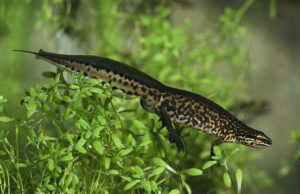
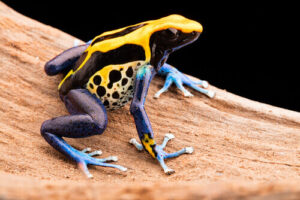
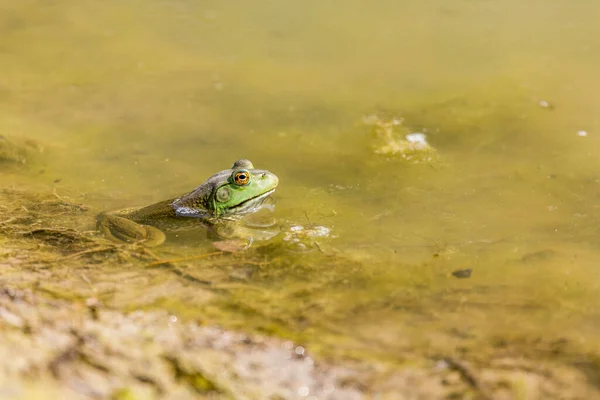
The mudskipper, one of the most intriguing amphibians, boasts characteristics that make it unique. Its body is robust and features a coloration perfectly adapted to its environment. Shades of olive green and brown blend together, providing effective camouflage in the muddy plains it inhabits. This coloration is not merely aesthetic; it is an essential adaptation for escaping predators and integrating into its natural habitat. Adult specimens can reach considerable sizes, measuring up to 10 centimeters in length, a dimension that places it among medium-sized frogs. This morphology is favored for locomotion in muddy environments, where resistance is necessary to navigate without sinking. The wide, webbed front legs allow the mudskipper to move swiftly through mud and water. These adaptations are critical, as much of its foraging occurs in this environment.
When it comes to behavior, the mudskipper is notably territorial. During the breeding season, males emit a deep croak that resonates through the air, attracting females. This distinct and resonant croak is a vital part of its communication. Additionally, the mudskipper exhibits nocturnal behavior, being more active after dark. This preference for nighttime activities helps it avoid extreme temperatures during the day and reduces water loss in an already challenging environment. Thus, the mudskipper is not only an impressive creature to observe but a true marvel of natural adaptation. To further understand the adaptations of different species, you can visit this blog about the jumping spider, which illustrates the diversity of survival strategies in the animal kingdom.
Habitat and Behavior
The mudskipper, a true marvel of nature, inhabits wet and marshy areas where dense vegetation provides shelter and camouflage. The habitats range from tropical forests to swamp edges, influenced by climatic conditions. During rainy seasons, these frogs emerge from their burrows, taking advantage of the abundance of water and insects. When the weather becomes dry, the mudskipper can enter a state of dormancy, seeking refuge under leaves or in holes in the ground. This adaptive behavior is vital for its survival, allowing it to avoid dehydration. On hot days, they tend to be more active at night, foraging for food and engaging socially in nocturnal serenades. The search for food is an intriguing spectacle. With their long, sticky tongues, these frogs capture flying insects with agility. They also feed on small arthropods, such as crickets and ants, that approach the moisture of the soil. The hunting strategy varies among individuals, with some being more opportunistic while others display more elaborate techniques. The social interactions of the mudskipper are equally fascinating. During the breeding season, males engage in complex singing behavior to attract females. These songs can be influenced by the humidity and temperature of the environment. Thus, the mudskipper proves to be resilient and adaptable, responding to the nuances of its habitat. For more information on fascinating adaptations in nature, see the platypus.
Life Cycle
The mudskipper begins its life journey in calm bodies of water, where reproduction occurs. During the mating season, males attract females with their characteristic song. After copulation, the female deposits her eggs in groups, surrounded by a gelatinous substance that protects them. This strategy is vital, as the eggs face predators and adverse environmental conditions, such as dehydration and water pollution. After a few days, the eggs transform into tadpoles, which emerge and begin to explore the aquatic ecosystem. The tadpoles, with their hydrodynamic bodies and long tails, are adapted for swimming. They feed on algae, decomposing leaves, and small organisms. This phase is critical, as, in addition to competition for food, they face predators such as fish and birds.
As the tadpoles grow, they undergo a fascinating process: metamorphosis. During this transformation, organs such as gills are replaced by lungs, and the tail shortens while the legs begin to develop. This stage is a true miracle of nature, but it also presents significant challenges. The tadpole must navigate a new environment, where terrestrial life brings risks such as dehydration. Upon reaching adulthood, the mudskipper emerges as a magnificent specimen. With its camouflaged coloration, it seeks shelter among leaves and trunks. The experience of each phase, from the fragile eggs to the vigorous adult frog, is a dance with the instinct for survival. For more on adaptation and survival in aquatic habitats, see this article.
Threats and Challenges
Mudskippers are fascinating creatures, but they face significant challenges. Habitat degradation is one of the main threats they encounter. Deforestation and pollution of water bodies directly affect their survival. The natural habitat that these frogs need to thrive is rapidly disappearing. This loss of habitat is exacerbated by unsustainable agricultural practices, which clog aquatic environments with chemicals. The result is a destabilized ecosystem where these frogs struggle to reproduce and feed. Additionally, climate change is affecting global weather patterns and, consequently, the habitats of these frogs. Changes in rainfall and temperature patterns can alter the dynamics of aquatic ecosystems. Rising temperatures transform aquatic environments, often making them unsuitable for frog life. The reproduction of mudskippers is highly dependent on stable environmental conditions. Sudden changes can cause reproductive failures, resulting in declining populations. The interconnection between these factors makes the situation even more critical. With fewer safe locations for habitat and reproduction, the mudskipper is in a vulnerable position. The implications for its survival are profound and alarming. A future without action could mean the extinction of this remarkable species, sharing a fate very similar to other amphibians that have already faced the same tragic destiny. Ultimately, the protection and restoration of their natural habitats are imperative. To better understand the interdependence between habitat and animals, explore the fascinating waterbird of Brazil.
Conservation and Future
The mudskipper, one of the jewels of biodiversity, faces constant threats in its habitat. The degradation of aquatic ecosystems and climate change are its silent enemies. To protect this fascinating species, conservation initiatives are essential. We emphasize the importance of creating protected areas where the mudskipper can thrive without external pressures. Conservationists and local communities can work together to restore degraded habitats and monitor the populations of these frogs.
Environmental education is a crucial pillar. Instructing communities about the importance of the mudskipper can generate a greater commitment to its protection. Community programs that emphasize biodiversity preservation can encourage sustainable practices among individuals. Thus, caring for the environment becomes part of the local culture.
Encouraging sustainable tourism is another effective approach. Visitors who learn about and become enchanted with the mudskipper bring financial resources that can be invested in conservation projects. This way, local populations see value in protecting their own environment.
Moreover, scientific research should be supported. Better understanding the needs of the mudskipper and the threats it faces allows for more targeted actions. Everyone has a role to play. Sharing information and promoting awareness are actions that can lead to significant transformations.
Uniting efforts and building a support network for the mudskipper is a worthy cause. Every small action counts, and together, we can ensure a brighter future for this marvel of nature. For more environmental inspirations, explore the fascinating stories of other beings on our planet, such as the cormorant.
Conclusions…
The mudskipper exemplifies the resilience of life in challenging environments. The preservation of its habitats is crucial to ensure that this remarkable creature continues to thrive in the mud and marshes where it lives.
Did you know?
What is the habitat of the mudskipper?
The mudskipper inhabits wet locations, such as marshes and riverbanks, where it can bury itself in the mud during dry periods.
How does the mudskipper survive drought?
It buries itself in the mud, reducing its metabolic activity and entering a hibernation state until conditions improve.
What role does the mudskipper play in the ecosystem?
The mudskipper plays a vital role in controlling insects and preserving biodiversity, serving as prey for various predators.
Is the mudskipper threatened?
Yes, the mudskipper faces threats such as habitat destruction and climate change, which affect its survival.
How can we help protect the mudskipper?
Conservation of natural habitats, reduction of pollution, and awareness of its importance are essential to protect the mudskipper.