The Surinam Toad: The Guardian of the Eggs
The Surinam Toad is one of the most intriguing manifestations of wildlife diversity. This species of amphibian, primarily found in tropical forests, exhibits a unique reproductive behavior: the male cares for the eggs, carrying them on his back until the larvae are ready to emerge. Let’s explore the biology and ecology of this remarkable animal.
Characteristics of the Surinam Toad
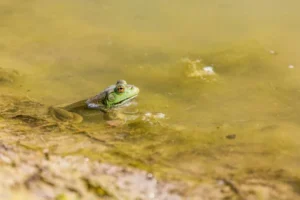
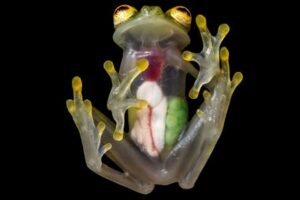
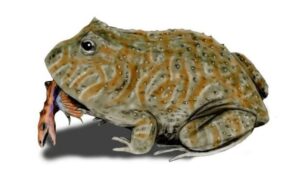
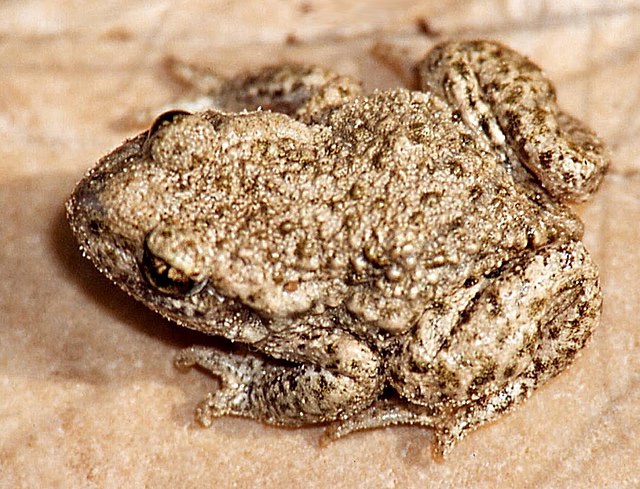
The Surinam Toad, a fascinating creature, possesses characteristics that make it exemplary in its habitat. Measuring about 3 to 6 centimeters in length, this amphibian is known for its varied coloration, which can range from a brown hue to a vibrant green. This color palette is not just aesthetic; it is a camouflage strategy that aids in its protection against predators. The colors of the Surinam Toad allow it to blend perfectly with dense vegetation and the ground, a primordial defense mechanism in nature.
Its skin glands secrete substances that help with hydration and protection against parasites. The body of the Surinam Toad is robust, with strong limbs adapted for locomotion in varied environments. Its long fingers have small suction cups, adapted for climbing and gripping irregular surfaces. This ability is crucial, as many of these toads spend a significant part of their lives in trees and shrubs.
The prominent, bulging eyes are not only a striking feature but also provide an expanded field of vision. This allows the toad to quickly detect any movement in its surroundings. Additionally, the skin is usually slightly moist, which is an important adaptation for maintaining cutaneous respiration.
These physical characteristics are essential for the survival of the Surinam Toad in its habitats, which can range from tropical forests to drier areas. This range of adaptations not only strengthens its presence in the ecosystem but also highlights the beauty and complexity of this incredible being. For more information about the diversity of toads, check out this relevant topic.
Reproductive Behavior
The reproductive behavior of the Surinam Toad reveals a fascinating spectacle of interactions and intricate rituals. During the mating season, which occurs in spring, males play a crucial role, using their physical characteristics to attract females. One of the most striking aspects is the display of their webbed fingers. These fingers are not just a physical adaptation but also a symbol of health and strength. Attentive females seek males with visibly developed fingers, as this indicates good genetic condition.
The mating rituals include elaborate dances in the water. Males perform synchronized swimming movements, often opening and closing their front limbs, which emphasize the pomp of their fingers. This display not only impresses females but can also help ward off competitors. In many cases, males also emit strategic vocalizations, producing melodious sounds that echo among the bodies of water.
When a female is attracted, she approaches the male, and the flirting continues. After this courtship phase, the male carefully positions himself in spawning sites where the female will lay her eggs. During laying, females deposit eggs on submerged leaves or rocks, where they remain safe until hatching. This process not only ensures the protection of the eggs but also demonstrates how the aquatic environment is vital for the continuity of the species.
The complicated interactions among Surinam Toads reflect a delicate balance between attraction and selection, fundamental in preserving their unique characteristics. For a study on the importance of aquatic habitats, you can read about the fascinating birds that inhabit these same ecosystems in Biguatinga.
Larval Development
After hatching, the larvae of the Surinam Toad embark on a fascinating journey. They emerge into the water, a rich environment essential for their survival. However, their lives are not just a solitary journey. The larvae heavily depend on their parents, who play a crucial role in protection and feeding.
These aquatic offspring are vulnerable and seek shelter in submerged vegetation and less exposed areas. Once they hatch, the Surinam Toad larvae feed on microscopic particles and small organisms present in the water. A clean and well-oxygenated habitat is vital for their growth.
Appropriate water temperatures directly influence their development. Thus, extreme variation can be detrimental. The larvae need a stable environment to metabolize nutrients properly. On the other hand, parental interaction is a fascinating characteristic of this toad. Males, after fertilization, carry the eggs on their backs, ensuring they are safe until the tadpoles finally emerge.
Once the larvae emerge, the parents continue to monitor the area in which they develop. This protective instinct is fundamental for the survival of the larvae, allowing them to explore their habitat in search of food. Thus, the connection between parents and offspring extends beyond incubation, reflecting the beauty of the Surinam Toad’s life cycle. To better understand the interdependence in family relationships in nature, see this article about the fascinating flying mammal bat.
Relationship with the Ecosystem
The Surinam Toad plays a crucial role within its ecosystem. It is more than just a simple crawling creature; it is a vital link in a complex web of life. Its presence indicates environmental health, a true barometer for local biodiversity.
One of its most fascinating interactions is with aquatic plants. The Surinam Toad helps control insect populations by feeding on larvae and small arthropods. This, in turn, maintains balance in aquatic habitats, ensuring that aquatic plants can thrive. Without these amphibians, insects could proliferate, choking aquatic ecosystems.
Moreover, the Surinam Toad is also prey for a variety of predators. Birds and mammals, such as snakes and foxes, depend on these amphibians as a food source. Thus, the Surinam Toad helps sustain the food dynamics in its habitat. It is a perfect example of how a single species can impact an entire biological community.
The unique behavior of the Surinam Toad in caring for its eggs offers additional insight into its importance. It not only ensures the survival of the next generation but also follows a behavior that is rare among amphibians, reducing egg mortality and increasing the genetic diversity of the group.
Surinam Toads act as bioindicators, serving as signals of ecosystem health. Their preservation is, therefore, vital for maintaining biodiversity and the integrity of the ecosystems they inhabit. Discover more about the fascinating relationships in nature and how each species interacts in this delicate environment in this article.
Threats and Conservation
The Surinam Toad faces several threats that compromise its survival. One of the most significant threats is the destruction of its natural habitat. Urbanization, intensive agriculture, and resource extraction result in degraded environments. These ecosystems are essential for the life cycle of the toad, especially during the phase when males carry the eggs. Climate change also plays a critical role, altering the temperature and humidity conditions that these amphibians need to thrive. Water pollution, particularly from chemicals and industrial waste, compromises the quality of breeding sites. This negatively affects the eggs and tadpoles, harming the species population. The presence of invasive species increases competition for food resources and can lead to predation of the eggs. Road traffic is another deadly trap, as many toads are run over while migrating between breeding and feeding areas. To ensure the protection of the Surinam Toad, conservation initiatives are essential. Restoring natural habitats should be a priority, creating safe ecological corridors. Community education is also vital. People need to understand the importance of this species and the role it plays in the ecosystem. Census and population monitoring are other essential tools. This helps understand population dynamics and assess the effectiveness of conservation initiatives. Furthermore, collaboration between government agencies, NGOs, and the local community is necessary to implement effective protection policies. For more information on biodiversity and conservation, visit Natureza Incomum.
Conclusions…
The Surinam Toad stands out not only for its unusual reproductive method but also for the complexity of its ecological interactions. The dedication of males in protecting and transporting the eggs is a demonstration of how fascinating and varied wildlife can be. Preserving their habitats is essential to ensure the continuity of this unique species.
Did you know?
What is the Surinam Toad?
The Surinam Toad is an amphibian known for its unique reproductive behavior, where the male carries the eggs on his back until they hatch.
What is the habitat of the Surinam Toad?
This toad typically inhabits tropical forests, where it finds an ideal environment to reproduce and care for its offspring.
How do males care for the eggs?
The males of the Surinam Toad keep the eggs on their backs, protecting them until hatching, allowing for less exposure to predators.
What is the importance of the Surinam Toad in the ecosystem?
As part of the ecosystem, the Surinam Toad helps maintain the balance of insect populations and serves as prey for predators, thus contributing to biodiversity.
How to ensure the preservation of the Surinam Toad?
The preservation of its natural habitat and the reduction of pollution are fundamental to ensuring the survival of this fascinating species.