The Fascinating Amazonian Rabbit Opilion Spider
In the depths of the Amazon rainforest in Ecuador, a new and intriguing species of spider has been discovered, known as the rabbit opilion spider. This article explores the beauty, habitat, and behavior of this fascinating creature, revealing its secrets and the importance of its preservation in such a rich and diverse ecosystem.
Discovery of the Species
Amidst the vast tapestry of life that is the Amazon Rainforest, a group of intrepid researchers made a discovery that captured the attention of the scientific world. The team, composed of biologists from various parts of the globe, set up base in the tropical region of Alto Jurua, an area so rich in biodiversity that new species are frequently discovered.
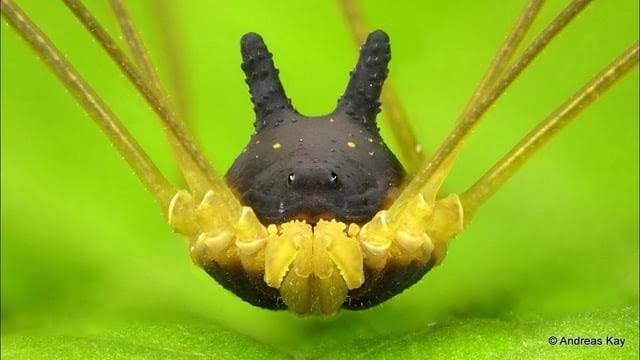
During an expedition that unveiled layers of fallen leaves and damp trunks, the group encountered the peculiar creature that would come to be known as the rabbit opilion spider. The name derived from its unique visual characteristics, which evoked a curious combination of the arachnids known as opilions and the ears of a rabbit.
The identification of the species was meticulous. Researchers carefully observed its anatomy and singular behaviors, isolating it from other known spider species. Samples were taken to the laboratory, where DNA analyses confirmed that it was a species never before documented.
The Amazon, beyond its splendor and mystery, is a haven of vibrant wildlife vital to the balance of the planet. The constant discoveries of new species, like this spider, emphasize the importance of conserving this unique ecosystem. Documenting the rabbit opilion spider is not just an addition to the global biological catalog; it is a crucial reminder of the diversity and complexity of life on the planet. Each discovery underscores the urgent need to protect the Amazon, an unparalleled treasure of interconnected biodiversity.
Physical Characteristics
The rabbit opilion spider is a stunning example of visual and physical adaptation at the heart of the Amazon Rainforest. One of its most intriguing features is the rabbit-like illusion emblazoned on its abdomen. The brown coloration and false eyes simulate an alert and cunning appearance, an evolutionary mirage that deceives predators and delights observers. This camouflage is a test of perception, reminiscent of the cunning deception found in other intelligent spiders.
Measuring about five centimeters, the rabbit opilion spider does not exhibit the gigantism of its tarantula cousins, nor the fragility of weaving spiders. Its robustness is its weapon in an environment filled with dangers. The long, thin legs, almost like those of an opilion, create a distinct and agile silhouette that facilitates its movement through the dense undergrowth of the Amazon. This anatomical peculiarity grants it access to micro-habitats that many species simply cannot explore.
With a body covered in subtle bristles, the rabbit opilion spider has enhanced tactile sensitivity. This keen sense is vital for detecting prey and predators. Unlike the famous spider webs, its hunting strategy relies on this heightened sense.
The compound eyes of the rabbit opilion spider allow for an almost panoramic view, crucial in the fierce environment of the forest. Compared to most spiders, its vision is more effective at capturing the slightest movements around it.
In summary, the rabbit opilion spider is an adaptation machine, honed by the evolutionary pressures of the Amazon. Its unique physical characteristics not only differentiate it from other spiders but also make it a remarkable example of survival in one of the most complex ecosystems on Earth.
Behavior and Feeding
At the heart of the Amazon rainforest, the rabbit opilion spider displays a graceful dance between cunning and instinct. In exploring the behavior of this enigmatic arachnid, we discover that it possesses meticulous and precise hunting techniques. It silently approaches its prey, using its incredible natural camouflage to blend into the dense and shadowy environment. This ability to hide so effectively is not only a defense tactic but also an effective attack against small invertebrates, its primary food source.
The spider primarily feeds on smaller insects and occasionally on small vertebrates. Its venom is not just a capture tool but also aids in digestion, transforming the insides of its prey into a nutritious liquid that it consumes with impressive efficiency. This feeding method contributes to controlling the insect population in the forest, balancing the local ecosystem. Furthermore, its interactions with other species, both predatory and symbiotic, demonstrate its essential role as part of the complex Amazonian food chain.
Surprisingly, the rabbit opilion spider also exhibits sporadic social behaviors. On some occasions, several spiders can be found sharing a common territory, an unusual practice among arachnids, which are typically solitary. This temporary cohabitation can provide benefits such as collective protection against larger predators and maximizing hunting opportunities.
Adapted to one of the world’s most demanding ecosystems, the rabbit opilion spider stands out not only for its unique appearance but also for its impressive resilience. For more information about arachnid diversity, check out our jumping spider and other incredible arachnids.
Habitat and Conservation
The rabbit opilion spider finds its home in the dense green mantle of the Amazon rainforest, one of the planet’s richest ecosystems in biodiversity. This mysterious creature lives among layers of fallen leaves and damp trunks, where it finds shelter and food. These habitats are essential for its survival but are under constant threat due to environmental devastation. Deforestation, driven by agricultural and livestock expansion, as well as illegal mining, continues to reduce the available space for many species. Human pressure threatens not only the rabbit opilion spider but the entire diverse web of the Amazon.
Conservation efforts are vital to protect these areas and their inhabitants. Environmental organizations strive to preserve large portions of forest, creating natural reserves and establishing international agreements. These actions help maintain the delicate balance between species and ecosystems. Additionally, awareness and respect for indigenous communities, who have lived in harmony with the forest for thousands of years, are crucial. Their traditional knowledge is a valuable ally in the protection and sustainable management of the environment.
Conserving habitats like that of the rabbit opilion spider is essential not only for the survival of individuals but for the global health of the planet. The Amazon rainforest acts as a climate regulator and an important carbon reservoir. Protecting biodiversity is protecting ourselves. Ongoing research and future discoveries about life in the Amazon, such as the newly discovered fungus, continue to highlight the complexity and interconnection of these ecosystems. The future of the forest and its creatures is in our hands.
Future Research and Discoveries
The rabbit opilion spider, with its intriguing characteristics and behaviors, points to the vast mysteries that the Amazon rainforest still holds. Each new species discovered is a window into understanding the complex webs of life that sustain this fragile ecosystem. Future research on this remarkable spider will not only satisfy scientific curiosity but also play a crucial role in our understanding of biological interdependence.
The Amazonian biodiversity represents a rich tapestry of life, whose relationships and evolutionary adaptations are vital for the balance of the Earth. Ongoing studies in the region may reveal new species, like the recent discovery of a fungus in the Amazon, emphasizing the importance of protecting this natural heritage. The depth of these investigations may trigger advances in biotechnology and medicine while revealing new chemical compounds with unexplored therapeutic potential.
The drive to better understand Amazonian species also provides essential data for formulating effective conservation strategies. As we delve into the exceptions and the exceptional, like the rabbit opilion spider, we can promote actions that ensure the survival of these organisms amid accelerated environmental changes. However, protecting this genetic legacy requires a concerted global effort, not only in research but also in awareness and action.
Thus, by studying this mysterious spider, we open the possibility of new discoveries that may define our understanding of planetary biodiversity. Research continues to be an anchor in our struggle to preserve the wonders of the rainforest and, ultimately, the ecological balance of our world.
Conclusions…
The rabbit opilion spider not only enriches the biodiversity of the Amazon rainforest but also serves as a reminder of the importance of preserving natural habitats. The study of these creatures reveals the complexity of ecosystems and the urgent need to protect them for future generations.