Ticks: Understanding Their Risks, Life Cycle, and Prevention
Ticks, belonging to the class of arachnids, are parasites that feed on the blood of animals and humans, potentially transmitting serious diseases. Knowing their behavior is essential for protection and prevention.
General Characteristics and Classification of Ticks
As we explore the animal kingdom, it’s crucial to understand the creatures that can affect our health and that of animals. Ticks, small but mighty, belong to the class Arachnida, which also includes spiders and scorpions. These ectoparasites cling tightly to their hosts’ bodies, starting a life cycle that can be surprisingly complex.
Classification and Characteristics
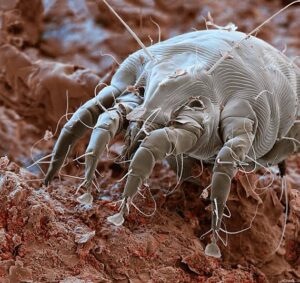
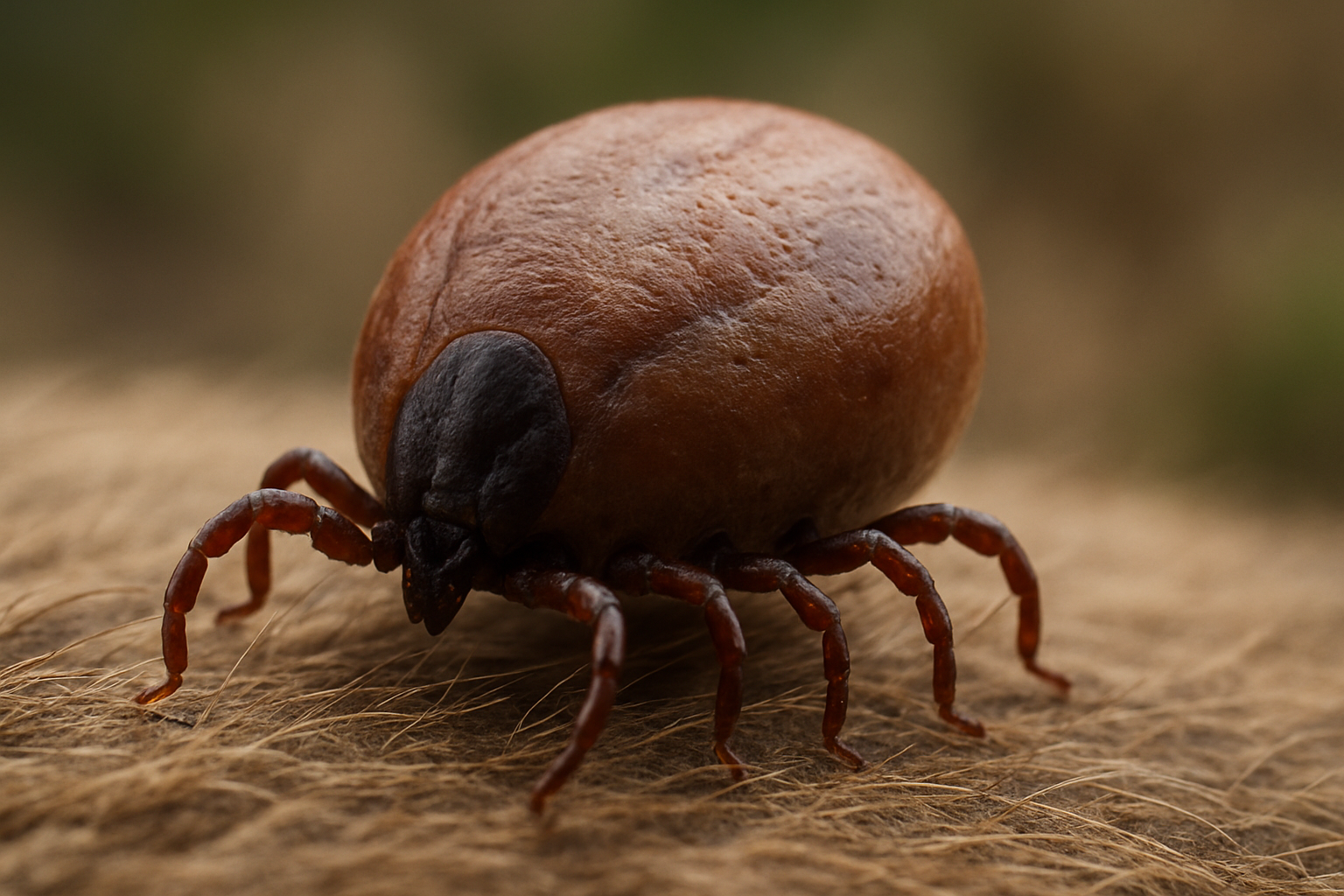
Ticks are divided into two main families: Ixodidae (hard ticks) and Argasidae (soft ticks). Both families share important characteristics, such as an oval body and the absence of antennae. When viewed up close, these arachnids have four pairs of legs in their adult stage, aiding in their stealthy movement across the host.
Parasitic Behavior and Feeding
Ticks are hematophagous, feeding on the blood of animals and humans. This feeding method is not just a means of sustenance; it’s essential for the transmission of various diseases, such as Rocky Mountain spotted fever and ehrlichiosis, whose severity will be discussed in the next chapter.
This parasitic dimension is what makes them so fascinating and dangerous. A tick can spend several days feeding on the same host, during which it can transmit pathogens as it transfers its contaminated saliva into the bloodstream. Understanding these behaviors is vital for developing prevention and control strategies, as we will discuss later. As we progress, we will continue to explore the impacts these small creatures have on global health.
Impacts of Ticks on Animal and Human Health
As we explore the interaction between humans and nature in previous chapters, it becomes crucial to understand the associated risks, especially those from such small yet notable creatures like ticks.
Diseases Caused in Animals
In our beloved pets, ticks are not just an irritation; they are vectors of disturbing diseases. Lyme disease, though more known in the United States, also occurs in parts of Europe and Asia. It causes fever, lameness, swollen lymph nodes, and fatigue in dogs, with serious risks if untreated. Ehrlichiosis, another transmitted disease, shows symptoms like fever, loss of appetite, and depression. Prevention, including using measures like anti-parasitic collars, is essential for animal health. Studies show the importance of early detection, increasing treatment effectiveness and reducing long-term complication risks.
Diseases and Risks for Humans
In humans, the complications are equally concerning. Rocky Mountain spotted fever, prevalent in many regions of the Americas, can be fatal if not identified and treated quickly. Symptoms start with fever, headaches, and muscle aches, progressing to distinctive rashes. Additionally, Lyme disease in humans can lead to chronic neurological and cardiac symptoms if neglected. This discussion about the dangers of ticks leads us to the next chapter, where we will explore the favorable environments for their development and better understand the life cycle of these formidable parasites.
Favorable Environments and Tick Life Cycle
As we delve into another chapter of this fascinating study on ticks, it’s imperative to look closely at the environments that facilitate their proliferation. Following the journey from Where Ticks Develop, through the meticulous life cycle of Understanding the Tick Life Cycle, to the preparation for insights on prevention and control in the next chapter, it’s a journey that requires perception and the proper use of knowledge.
Where Ticks Develop
Ticks find ideal refuge in areas where interaction between humans and animals is frequent, especially in rural zones, dense forests, and poorly maintained gardens. These small arachnids thrive in humid environments with tall vegetation, providing the necessary cover against predators and perfect conditions to ambush their prey. A deeper understanding of their habitats is essential to integrate effective environmental management measures, as we will discuss further in dog tick, an article detailing the interactions between these arachnids and pets.
Understanding the Life Cycle
The tick’s life cycle unfolds in four distinct stages: egg, larva, nymph, and adult. The adult female lays thousands of eggs on the ground, giving rise to tiny larvae that depend on finding an initial host, usually a small mammal or bird. They then transform into nymphs and eventually reach the adult stage, where the repetition of this cycle ensures the species’ perpetuation. Each stage is crucial, and each transition requires a blood meal to evolve to the next level, exposing both animals and humans to various tick-borne diseases.
With the foundations established in this chapter on the habitat and life cycle of ticks, we are now ready to investigate effective preventive and control methods in the next step of this comprehensive guide on tackling these persistent parasites.
Prevention and Control: Protecting People and Animals
As we explore the dangers ticks pose, it’s crucial not only to understand but also to adopt effective prevention and control measures to protect ourselves and our pets. This chapter is dedicated to unveiling the most efficient and scientifically proven practices to avoid such unwanted encounters.
Personal Prevention Measures
The application of specific repellents is a primary line of defense against ticks for humans. Look for repellents containing DEET, picaridin, or IR3535. Importantly, choosing appropriate clothing when venturing into tick-prone areas is also crucial. Wearing light-colored, full-coverage clothing can help detect these parasites easily. Additionally, after exploring outdoor areas, it’s vital to conduct a thorough body inspection to ensure no ticks are present on the skin.
Caring for Environments and Animals
Keeping your surroundings clean and free of tall vegetation significantly reduces the preferred habitat of ticks. When caring for your pets, it’s essential to apply regular preventive treatments, such as anti-parasitic collars or approved topical medications. Furthermore, regular maintenance of animal hygiene with frequent baths can play a crucial role in keeping ticks at bay. For more guidance on specific pet care, visit our post on dog tick.
Do not neglect these preventive practices; they are essential to protect both you and your pets from the risks associated with ticks. Continue exploring and educating about these and other tactics, and adopt them as part of your daily routine to ensure a safe and healthy environment.
Conclusions…
Ticks are significant arachnid parasites that affect both animals and humans, feeding on blood and potentially transmitting various diseases. Understanding their life cycle, behavior, and associated risks is fundamental to adopting effective prevention measures. Proper protection involves caring for the environment, paying attention to symptoms in domestic animals, and personal actions such as using repellents and frequent skin checks. Thus, we avoid complications and ensure better health for the whole family. With the right knowledge, tick control becomes possible and efficient.
Did You Know?
- What is a tick? A tick is a parasitic arachnid that feeds on the blood of animals and humans, potentially transmitting diseases.
- What diseases can ticks transmit? They can transmit diseases such as Rocky Mountain spotted fever, babesiosis, dog tick fever, and ehrlichiosis, affecting humans and animals.
- What is the life cycle of a tick? The cycle includes the stages of egg, larva, nymph, and adult, and each phase feeds to advance to the next stage.
- What environments favor the presence of ticks? Areas with dense vegetation, tall grass, forests, and places where there are domestic or wild animals.
- How to prevent tick infestation in pets? Use recommended repellent products, perform regular skin inspections on pets, and keep the environment clean and treated.
- Is it possible to protect yourself from ticks while walking in natural areas? Yes, by wearing appropriate clothing, using skin repellents, and avoiding direct contact with tall vegetation.
- How to identify the presence of ticks on the body? Check areas such as armpits, behind the ears, neck, and groin region for small parasites attached to the skin.
- What to do when finding a tick attached to the skin? Carefully remove it with fine tweezers, pulling it firmly and without twisting, and sanitize the area with alcohol.