
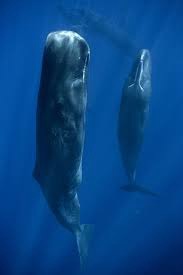
How Do Whales Sleep?
Whales are fascinating creatures that, despite being marine mammals, have developed unique ways of sleeping. This phenomenon is essential for their health and survival, and understanding it helps us better respect these magnificent beings.
What is unihemispheric sleep?
Imagine floating serenely in the depths of the ocean, surrounded by the vast blue, while a whale drifts into a sleep as delicate as it is intriguing. However, contrary to what many might think, whales do not sleep in a conventional manner. They have a unique method: unihemispheric sleep.
What is unihemispheric sleep?
Unihemispheric sleep is a fascinating adaptation that allows whales to sleep while one half of their brain remains alert. This ability is not just a resting strategy but a matter of survival. By keeping one cerebral hemisphere active, whales can continue swimming and, more importantly, avoid predators. For example, orcas, known for their intelligence, use this type of sleep to ensure that the young members of the group remain protected and close.
The importance of vigilance
Vigilance during sleep is crucial for these majestic creatures, which inhabit an environment full of dangers. Thus, while one part of their brain is relaxing, another part actively monitors the surrounding environment. This adaptation is not limited to safety; it also allows whales to be alert to changes in currents and the presence of prey. Moreover, sleep patterns vary among different species, reflecting their unique needs and lifestyles.
Therefore, unihemispheric sleep is a marvel of evolution, and its complexity reveals much about the lives of these creatures. Before we explore the variations in sleep patterns among different whale species, it is worth reflecting on how nature shapes their survival and adaptation strategies.
Sleeping practices among different whale species
As the waves gently roll over the surface of the deep sea, a fascinating mystery about the habits of whales unfolds. These majestic creatures, such as the humpback whale and the orca, exhibit a surprising variety in their sleep patterns, revealing the complexity of their evolutionary adaptations. This diversity not only fascinates biologists but also emphasizes the intrinsic relationship between sleep and survival in the depths of the ocean.
Humpback Whale: Dreaming in the Depths
The humpback whale, famous for its majestic songs, has a unique sleep behavior in which it rests for periods of approximately 15 minutes. During this time, it pauses to surface and breathe, demonstrating a remarkable mechanism that allows for the continuity of blood circulation and oxygen exchange. This practice not only keeps it alive but also makes it agile enough to respond to potential predators like sharks or orcas.
Orcas: Sleeping in Community
On the other hand, orcas exhibit a distinct social pattern when sleeping. Researchers have observed that they often rest in a synchronized manner, staying close to one another. This behavior has profound implications for their safety, as group protection minimizes risks during sleep. At the same time, this practice reflects the complex social structure of orcas, which always seek unity and collective survival.
Thus, as we explore the sleeping practices among different whale species, it becomes evident that each has developed unique methods adapted to its way of life. Now, as we delve into the environmental variables that influence these behaviors, we will further realize how nature shapes every aspect of the lives of these magnificent creatures.
The impact of habitat on whale sleep
Whales, the majestic creatures of the oceans, are subtly and complexly influenced by the habitats in which they reside. The relationship between their sleep and the marine environment reveals much about their evolutionary adaptation. Over time, whales have developed resting strategies that vary according to water temperature and food availability, demonstrating incredible plasticity in response to changes in their habitat.
Cold and Warm Environments
Among the factors affecting whale sleep patterns, water temperature is crucial. In colder waters, such as those around Antarctica, whales like the humpback exhibit sleep behaviors that seem more fragmented. These short pauses are often interspersed with periods of vigilance. On the other hand, in the warm waters of the tropics, whales can afford a deeper sleep, as the predominance of calm waters and reduced predator presence provides safety.
Climate Change and Its Effects
However, the rising ocean temperatures, resulting from climate change, are gradually affecting this dynamic. As whale habitats change, their sleep routines also transform. Forced migrations and changes in prey distribution have the potential to create stress in sleep patterns. Thus, the harmony that whales have established with their natural environments is slowly becoming a challenge. Therefore, understanding how habitats shape whale sleep is essential to protect these wonderful creatures and ensure their survival in a constantly changing world.
As we explore the intricate relationship between sleep and feeding, we will discover even more about how these marine giants depend not only on the environment but also on the abundance of resources in this vast and beautiful blue sphere.
The relationship between sleep and feeding in whales
Imagine, if you will, a giant of the seas resting deeply in the bluish depths of the ocean. Whales, these majestic wonders of nature, live in a delicate balance between sleep and feeding. This relationship is crucial for both their survival and the health of their ecosystems, revealing a fascinating behavior that unfolds in the waters of our planet.
The Dance Between Sleep and Nutrition
Whales exhibit an intriguing sleep pattern characterized by unihemispheric sleep stages. During these periods, one hemisphere of the brain remains active, allowing the creature to continue swimming and maintaining vigilance against predators. This ability becomes even more essential when considering their feeding routine. Whales that feed on krill and small fish, for example, need to find a balance between resting and hunting, using the quieter hours of the day to stock up. Thus, while one part of their brain rests, the other is dedicated to searching for food.
Implications for Health and Well-being
This synergy between sleep patterns and feeding routines affects not only the physical health of whales but also their emotional state. Insufficient sleep can result in loss of strength and endurance, making them vulnerable to diseases and predators. Moreover, sleep deprivation is linked to behavioral problems, which could affect their social interactions and, consequently, group dynamics. Therefore, protecting the environments where whales feed is fundamental. If feeding areas are compromised, the whale’s life cycle can be disrupted, leading to devastating consequences for their survival.
As we better understand this intricate relationship, it becomes evident that marine conservation must include careful consideration of whale feeding habitats. Only then can we ensure that these majestic creatures continue to reign in the oceans as they glide smoothly through the challenges of the modern world.
Mitigating Risks to Whale Sleep
As whales float in the depths of the ocean, they face a silent challenge: interrupted sleep. In the vast blue, where humans rarely venture, majestic existences are threatened. Despite their imposing size, these creatures depend on the marine environment, which is increasingly fraught with dangers.
Navigation and Its Consequences
Navigation is one of the greatest threats to whale sleep. Boats and ships sometimes cross migratory routes, creating unexpected dangers. The noise from vessels interferes with the ocean’s acoustics, essential for communication and orientation among these giants. Consequently, many whales become vulnerable to predators or may stray from safe areas to sleep. Moreover, collisions can be fatal. Research shows that high-traffic areas must be monitored and, if possible, restructured to avoid these dangerous situations.
Pollution and Its Damages
Pollution also poses a significant risk. Chemical pollutants released into the water affect the health of whales, making their sleep a risky survival act. Substances like plastics and chemicals can impact their habitat, reducing the quality of the environment where they sleep. Active participation from everyone is crucial to protect these giants of the depths. We can, for example, support marine cleanup initiatives and promote legislation against pollution. In this way, we help ensure that whales can enjoy their precious and rejuvenating sleep.
Conclusions…
Understanding how whales sleep reveals the adaptability of these impressive creatures. They utilize a unique sleep method, called unihemispheric sleep, which allows one hemisphere of their brain to remain active, ensuring safety and survival in their ocean habitat. This phenomenon not only illustrates the complexity of animal behavior but also highlights the need for whale conservation, as these practices are vital for their survival and health. As we delve deeper into the biology of these marine giants, it becomes clear that preserving their habitats is crucial to ensure they continue to exist in the waters of the planet.
Did you know?
Do whales really sleep?
Yes, whales sleep, but differently from humans. They use a sleep pattern that allows part of their brain to remain alert.
How do whales manage to sleep without sinking?
Whales practice unihemispheric sleep, where one half of the brain sleeps while the other remains vigilant, allowing them to surface for air.
How many hours do whales sleep?
Sleep hours vary, but generally, whales sleep between 30 minutes to a few hours a day, divided into short periods.
Do whales dream?
While we cannot know for sure, it is possible that whales have dreams, just like other mammals, as they exhibit sleep patterns similar to ours.
What happens to whales when they don’t get enough sleep?
Lack of sleep can affect the health of whales, reducing their ability to forage and increasing stress.
Do whales sleep in groups?
Some whale species are known to sleep in groups, which can offer protection against predators.
What is the relationship between sleep and migration in whales?
During migration, whales may have different sleep patterns to adapt to the long distances they travel.
Whales and sleep quality: is there a difference?
Yes, the environment and living conditions of whales, such as pollution and human interference, can impact the quality of their sleep.