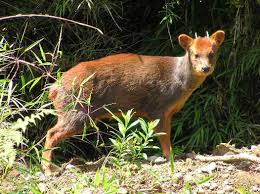
The Pudu: The Small Deer in Danger of Extinction
The pudu, a small deer native to South America, faces a severe threat of extinction. With recent sightings reported, hope is rekindled for the conservation of the species.
The Importance of the Pudu in Biodiversity
In the heart of the dense forests of South America, there exists a small deer that, despite its diminutive size, plays a vital role in maintaining biodiversity. The pudu, with its expressive eyes and delicate legs, is more than just an inhabitant of the understory; it is a crucial link within the complex forest ecosystem.
The Role of the Pudu in the Ecosystem
This magnificent animal is undoubtedly an essential herbivore. By feeding on leaves, fruits, and shoots, the pudu not only nourishes itself but also aids in seed dispersal. This simple act, often overlooked, is fundamental. As it moves through its habitat, it contributes to plant regeneration, creating a life cycle that sustains not only other plant species but also the fauna that depend on them. Thus, the pudu is a silent gardener, shaping the landscape around it.
Interactions and Sustainability
The pudu’s interaction with other organisms cannot be ignored either. While this deer feeds, it provides food for predators and thus integrates into the local food web. Furthermore, its foraging behavior influences the distribution of other plant species, demonstrating how a single creature can affect an entire ecosystem. For these reasons, the conservation of the pudu is undoubtedly a crucial issue for protecting the structure of local biodiversity.
As we look at the forests where the pudu resides, we must reflect on the interconnectedness of all species. The charm of the pudu lies not only in its adorable appearance; it resides, above all, in its ecological importance. What happens if such a delicate link is lost? This question leads us to consider the current threats and challenges faced by the pudu and the urgent need for conservation efforts.
Threats and Challenges to Survival
Nature, in its majesty, often places the most fragile creatures before immense challenges, and the pudu, the smallest deer in the world, is no exception. At only about 30 centimeters tall, this delicate being is as adorable as it is vulnerable, becoming one of the most threatened species in South America. Thus, it is essential to understand the threats surrounding this small deer.
Habitat Destruction
The destruction of its natural habitat stands out as the primary threat to the pudu. The expansion of agriculture and deforestation has devastated the temperate forests where they live, resulting in a significant loss of shelter and food sources. Thus, the pudu finds itself surrounded, forced to seek refuge in increasingly smaller forest fragments. Gradually, this loss of habitat becomes synonymous with possible extinction.
Hunting and Illegal Trade
Moreover, hunting and the illegal trade of pudus place us at a tragic crossroads. Such small and unprotected creatures are easily captured, further exacerbating their alarming condition. To combat this latter threat, local and international organizations have mobilized, promoting awareness campaigns. Some initiatives, for example, have worked to protect wild spaces and sponsor refuge areas.
These conservation efforts are fundamental. They not only involve the rehabilitation of ecosystems but also the education of surrounding communities, highlighting the importance of preserving this species. In this way, the future of the pudu may depend as much on the restoration of its habitats as on society’s commitment to protect and coexist with these wonders of nature. As we move forward, it will be vital to observe recent sighting reports, as they may reveal crucial information for the survival of the pudu.
Recent Sighting Stories
Amid the dense and shadowy forests of Chile and Argentina, we can find one of nature’s most delicate and fascinating beings: the pudu. Recently, reports of sightings of this small deer have multiplied, bringing hope and a new perspective on the species’ situation. The continued presence of the pudu in its habitats shows that, despite the threats, there are still small lights of survival that deserve to be celebrated and protected.
Vibrant Wildlife Reports
The stories of recent sightings reveal an encouraging portrait of the pudu’s resilience. In remote locations, such as Torres del Paine National Park, tour guides and researchers have made frequent sightings. Essentially, these human experiences intertwine with nature, reinforcing the importance of conscious and responsible tourism. As people become more aware of the pudu’s presence and vulnerability, more efforts are made to protect its habitat and promote respectful interactions with the environment.
Implications for Conservation
These sightings have significant implications for the conservation of the species. They not only demonstrate that the pudu still occupies its vital place in the ecological web but also challenge communities and policymakers to take action in defense of its habitat. For some, this awareness and movement is a crucial call to action. With ongoing actions and protection programs, hopes are renewed, and the future of the pudu appears a bit more optimistic. Thus, connecting with these wildlife stories strengthens our commitment to conservation, an act that can translate into a wave of positive change.
Conservation Initiatives
The pudu, this small deer that enchants everyone with its shy presence and grace, faces a silent battle against extinction. In this context, conservation initiatives emerge as true beacons of hope. They seek to preserve not only the species but also the ecosystems on which they depend, recognizing the intrinsic connection between the health of nature and the survival of the pudu.
Rehabilitation Programs
One of the main fronts of action involves rehabilitation programs dedicated to rescuing injured or orphaned individuals. These programs collaborate with zoos and rescue centers, ensuring not only medical care but also the reintegration of the animals into their natural habitats. Additionally, monitoring projects have been implemented to track the movements of these deer and better understand their specific needs. Thus, each piece of data collected becomes a step towards their protection.
Education and Awareness
Another fundamental pillar in conservation initiatives is environmental education, which aims to raise public awareness about the importance of the pudu. Awareness campaigns in schools and local communities help cultivate a culture of respect and protection for local wildlife. In this way, the region’s inhabitants become ambassadors of conservation, contributing the knowledge gained to the preservation of the pudu and its habitats. Although the struggle is intense, every small gesture, when added together, can make a difference in preserving this unique species.
As we connect with the efforts made, it is essential to remember that preservation goes beyond the survival of a species. It is a testament to our commitment to coexistence and the richness of the biodiversity that surrounds us. Let us now proceed to the next chapter, where practical suggestions will be offered for everyone to contribute to this important cause.
How to Contribute to Preservation
We have the opportunity to reflect on the importance of preserving the pudu, a small deer threatened with extinction. Despite its diminutive size, the pudu plays a vital role in its ecosystems, serving as an indicator of environmental health. Therefore, our action is crucial in protecting these charming beings.
Local Involvement and Conscious Action
For those who wish to engage in the preservation of the pudu, one of the first steps is to learn about local conservation initiatives. Many communities have projects aimed at protecting the pudu’s natural habitat. By supporting these initiatives, whether through donations or volunteering, you not only help the pudus but also strengthen the conservation of biodiversity as a whole. Additionally, simple methods, such as promoting reforestation actions in your area, can have a positive impact. Forests are essential for the pudu’s survival as they provide food and shelter. Planting native trees, for example, is an effective way to restore the habitat of these delicate herbivores.
Education and Awareness
Another way to contribute is to share information about the pudu. Social media and online communities are excellent platforms for disseminating knowledge. By educating others about the critical situation of the pudu, you can inspire more individuals to join conservation causes, creating a domino effect of awareness. By acting together as a society, we have the capacity to ensure that the pudu is not just a memory of the past but an active part of our present and future. Therefore, let us unite in this preservation mission as we continue to explore the wonders of nature, such as the intriguing spider plant.
Conclusions…
The preservation of the pudu is crucial not only for the biodiversity of South America but also for our relationship with nature. Conservation initiatives and public awareness can significantly contribute to the protection of this small deer. It is our responsibility to act and promote coexistence with the wildlife that shares our planet.
Did You Know?
What is the pudu? The pudu is a small deer native to South America, known for its diminutive size and shy behavior.
Why is the pudu in danger of extinction? Habitat destruction, hunting, and climate change are the main threats to the pudu’s survival.
Where can the pudu be found? It inhabits subtropical and temperate forests in Argentina, Chile, and some areas of Brazil.
What are the characteristics of the pudu? The pudu has brown fur, short legs, and is the smallest deer in the world, weighing about 10 to 15 kg.
Are there recent sightings of pudus? Yes, there have been isolated reports of sightings, which renew hope for the species. This indicates that conservation efforts may be making a difference.
How can I help in the preservation of the pudu? Supporting conservation organizations, raising awareness, and participating in local initiatives are great ways to help.
Is the pudu a social species? The pudu is generally solitary or found in pairs during the mating season, preferring solitude most of the time.
What does the pudu eat? The pudu is herbivorous, feeding on leaves, herbs, fruits, and tree bark.