Green Snake: The Forest Serpent
The green snake is a common name for various species of arboreal snakes that inhabit tropical regions. This article explores the biology, behavior, and ecological importance of these fascinating creatures. Let’s dive into the world of green snakes, revealing their diversity and adaptation to the environment.
Diversity of Green Snakes
Green snakes exhibit impressive diversity, reflecting fascinating adaptations to their environment. These snakes belong to various families, including the subfamily Colubridae. Among them, notable species include Philodryas viridis, the famous green snake of South America. It features a vibrant green coloration, perfect for camouflage among the leaves. Its slender, long body can reach up to two meters, facilitating agile movements in the treetops.
Another fascinating species is Bothrops bilineatus, or the forest green snake. Unlike its cousin, it has a coloration that varies from green to brown, with distinct markings. This variation helps it blend in with the ground vegetation, where it often camouflages itself.
Green snakes are also known for their hunting skills. Many feed on frogs, lizards, and small mammals. The Chironius exoletus, a green snake found in Central America, is notable for its diet that includes small reptiles, showcasing dietary variability among species.
Additionally, Oxybelis fulgidus is an arboreal green snake recognized for its ability to climb trees and move quickly among branches. Its slender body and prehensile tail allow it to navigate agilely in its habitat. Each of these green snakes presents unique characteristics adapted to its ecological niche. For a dive into another fascinating adaptation of the natural habitat, check out this topic on aquatic birds.
Habitat and Distribution
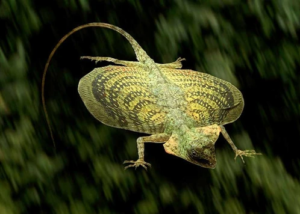
The flying lizard is a magnificent inhabitant of the tropical forests of Asia, especially in regions like Indochina and parts of Indonesia. This reptile, which can expand and glide through the air, stands out in the treetops. The dense forests provide a vast network of trunks and branches, creating an ideal environment for its movement. These lizards prefer areas with an abundance of trees, where their gliding abilities become a crucial advantage. The light filtered through the canopy and the shadows created by the leaves help camouflage the flying lizard from potential predators. These tropical environments possess rich biodiversity, ensuring that these lizards have constant access to insects and small invertebrates, their primary food source. Furthermore, the flying lizard is an incredible example of adaptation. In drier habitats, such as forest edges or savanna areas, it still manages to thrive. Its gliding ability aids in foraging for food and escaping predators. The fusion of its colors with the environment is essential. In areas where the soil is lighter, they may display shades that mimic the landscape. Tropical forests are their preference, but some populations adapt to less dense ecosystems. However, habitat degradation has threatened their survival. Preserving these ecosystems is vital. To better understand how biodiversity influences species adaptations in their habitats, check out this link.
Behavior and Ecology
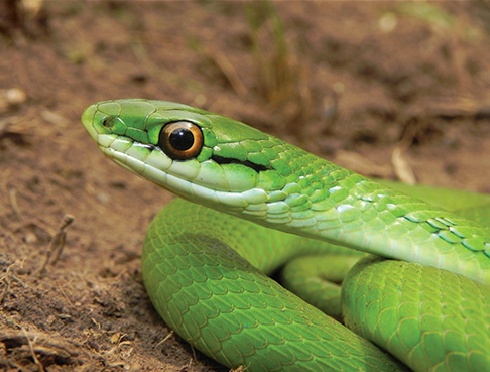
The green snake, with its elegant lime-green coloration, exhibits fascinating behaviors that make it one of the most intriguing snakes in the forest. Observers often encounter these snakes moving with a grace that seems to defy gravity. Green snakes use their camouflage ability to blend in with the leaves and branches of trees, aiding them both in hunting and defense. These snakes are predominantly nocturnal predators. Their hunting habits are cunning; they use keen vision to detect movement. They primarily feed on small birds and lizards. The patient ambush is an essential tactic: the green snake remains motionless and waits for the exact moment to strike quickly and decisively. Regarding reproduction, green snakes are ovoviviparous. This means that the eggs hatch inside the mother’s body, and she gives birth to fully formed young. This method provides greater protection to the offspring during their first weeks of life when they are most vulnerable. The social interactions between green snakes and other species are equally intriguing. Although they are predators, they can also be prey for larger animals, such as some birds of prey. Their camouflage helps avoid these natural predators. Additionally, the presence of green snakes can influence the populations of their prey, establishing a balance in the ecosystem. Thus, the green snake plays a crucial role in maintaining forest biodiversity. For more information on these interactions, see this fascinating article on predator-prey relationships in nature.
Relationship with Humanity
The green snake, with its impressive vibrant coloration, evokes diverse reactions in human communities. For many, it is a symbol of beauty and agility. However, for others, it generates fear and mystery. This fear is often based on ancient myths and a lack of understanding. In popular culture, some societies associate snakes with curses or betrayals, often fueling unfounded aversion.
The conservation of these fascinating reptiles is critical. The natural habitat of green snakes, such as tropical forests and areas of dense vegetation, faces increasing threats due to urbanization. The expansion of cities results in the destruction of their habitats and ecological fragmentation. Thus, the space that a green snake needs to hunt and reproduce is constantly diminishing.
Conservation efforts aim to protect these snakes and their habitats. Initiatives include environmental education and habitat rehabilitation programs. However, it is crucial to involve local communities in these efforts. Raising awareness reduces the myths associated with these snakes and promotes peaceful coexistence. When people learn more about the importance of snakes to the ecosystem, they become allies in conservation.
The human relationship with green snakes, therefore, is not one-dimensional. Recognizing their role in nature and promoting a positive image of them can aid in the preservation of these creatures. To better understand the importance of biodiversity in conservation, you can learn more about conservation efforts for various species and the need for healthy habitats in coexistence with wildlife.
Conservation and Future
The flying lizard, with its magnificent gliding ability, faces significant challenges in the current scenario. The destruction of natural habitats is one of the most pressing threats. Like many other animals, this lizard depends on tropical forests and densely vegetated areas to survive. With the advance of urbanization and deforestation, its feeding and breeding areas are being drastically reduced.
Another concerning factor is habitat fragmentation. As forests are cut into smaller pieces, the flying lizard may find it difficult to move between these fragments. This not only limits its access to natural resources but also increases the risk from predators and humans. The impact of uncontrolled tourism must also be considered. Areas where these lizards are frequently seen may be affected by overcrowding, pollution, and environmental degradation.
To protect this unique species, it is essential to implement conservation efforts. Reforestation projects help restore habitats and create ecological corridors. Community education is crucial. When locals are aware of the importance of the flying lizard, they are more likely to support protection measures.
Moreover, legal protection of areas where these lizards live can offer security. Ongoing research is essential to understand more about their behavior and ecological needs. Collective commitment is vital to ensure that the flying lizard continues to delight us with its evolutions in the sky and thrives in its natural habitats. To learn more about threats to biodiversity, check out the article on elephants, which also face similar challenges.
Conclusions…
Green snakes are fundamental to the biodiversity and balance of the ecosystems where they live. Their unique adaptations and intriguing behavior make them fascinating species that deserve our protection and respect. Conserving their habitats is crucial for the health of the environment.
Did you know?
What is the green snake?
The green snake is a term that designates several species of arboreal snakes, known for their bright colors and non-venomous behavior.
What is the habitat of the green snake?
These snakes inhabit tropical and subtropical forests, where their camouflage helps them blend into the environment for hunting and protection.
Are green snakes venomous?
No, most green snakes are non-venomous and primarily feed on small animals, such as birds and rodents.
How do green snakes hunt?
They use camouflage to hide among leaves and branches, waiting for the right moment to strike their prey.
Why are green snakes important to the ecosystem?
They play an important role in controlling populations of small animals and help maintain the ecological balance of forests.