The Fascinating Black Snake
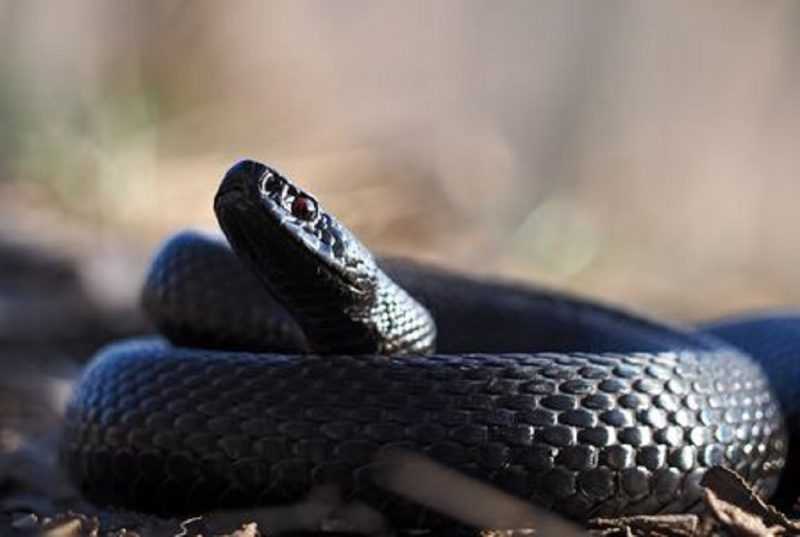
In the shadows of the animal kingdom, the black snake stands out as a symbol of mystery and admiration. In this article, we will explore the various species that share this name and their characteristics, revealing the fascinating aspects of their behavior and biology that make them unique.
The Diversity of Black Snakes
Black snakes are a remarkable collection of serpents that captivate many. This diversity includes both venomous and non-venomous species. Among the venomous, the Malayan Black Cobra stands out with its potent venom and upright defensive posture. In contrast, the Coluber constrictor, known as the North American black snake, is non-venomous but a skilled predator. Both share the title of black snake, yet their characteristics are quite distinct.
The Malayan Black Cobra is famous for its glossy black color and bold behavior. It can reach over 2 meters in length. Incredibly fast, the snake is an efficient hunter. Its prey includes frogs, rodents, and other snakes. Its neurotoxic venom can be lethal, making it essential for maintaining ecological balance.
On the other hand, the Coluber constrictor stands out not only for its lack of venom but also for its impressive agility. This diurnal predator feeds on small mammals and birds. It occupies a crucial position in the ecosystems it inhabits. Its coloration can vary from black to brown and gray, providing effective camouflage among dry leaves.
Adaptation is a constant among black snakes. While some have evolved to use venom as defense, others have adopted constriction methods to capture their prey. This branching among black snake species exemplifies a rich tapestry of evolution and behavior, reflecting the magnificent complexity of wildlife. Read more about fascinating adaptations in nature.
Habitat and Behavior
The black snake, with its characteristic coloration and efficient digestive system, has evolved to thrive in various natural environments. Typically found in tropical forests, savannas, and marshy areas, this snake adapts to the peculiarities of each habitat. Tree trunks, dense foliage, and constant humidity provide shelter and hunting opportunities.
Black snakes are primarily arboreal but also move along the ground. This versatility allows them to escape natural predators, such as birds of prey. In their quest for prey, such as small mammals and reptiles, they utilize camouflage. The dark colors of their skin help them blend into the shaded environments of the forest.
During the rainy season, these snakes move in search of dry places that provide safety. In dry conditions, they tend to concentrate in areas with dense vegetation. The interaction of black snakes with their environment is a constant dance of adaptation and survival.
Temperature also plays a crucial role in their behavior. These snakes are ectothermic, meaning they rely on external temperatures to regulate their body heat. Therefore, in cooler climates, they become more active during the day, seeking solar warmth on rocks and sand. This strategy allows them to maintain the energy needed for hunting.
Social interactions among black snakes are scarce, but during breeding seasons, males compete with each other. This competition can be vital for the perpetuation of the species, ensuring that the best genes are passed on. In summary, the natural habitat and geographical characteristics shape not only their behavior but also their way of life. For an analysis of how the environment affects fauna, I recommend reading about the Jumping Spider.
Survival Strategies
The black snake, with its slender and agile body, is a true hunting artist in the animal kingdom. Its survival strategy is a fascinating blend of cunning and adaptation. First, it utilizes camouflage, a primordial trick to hide among dry leaves and branches. This ability allows it to silently approach its prey, primarily small mammals, reptiles, and birds. Once in position, the black snake employs a rapid and lethal movement. With the precision of a maestro, it lunges at its victim, wrapping it with its flexible and powerful body. The most common method is constriction, where the snake tightens its grip on its prey until it has no chance of escape.
In terms of defense, the black snake has also developed notable adaptations. Its venom, potent and often underestimated, is a vital weapon in its fight for survival. This venom can quickly incapacitate larger animals and rivals. Moreover, when threatened, the black snake can display intimidating behaviors, such as opening its mouth and showing its fangs. Another fascinating aspect is its ability to camouflage in diverse environments. If a predator approaches, the black snake may also opt for a different strategy: escape. Its speed and agility in difficult terrain help it evade potential attacks. These techniques make the black snake an extraordinary example of evolution and adaptation in nature. To learn more about the importance of these adaptations, read about the fascinating jumping spider and its survival strategies.
The Ecological Importance
The black snake is a remarkable species that plays a crucial role in its natural habitat. As a predator, it helps control the populations of its prey, which include small mammals, birds, and even other reptiles. This control is fundamental to balancing ecological interactions. When prey populations increase uncontrollably, the impact on vegetation and other elements of the ecosystem can be devastating.
Snakes, like the black snake, are important for maintaining biodiversity. They regulate the populations of their prey, ensuring they do not become overly abundant and that the environment remains healthy. Additionally, by preying, the black snake prevents less resilient species from becoming extinct, allowing for a rich diversity of life.
Furthermore, the presence of the black snake serves as an indicator of a healthy ecosystem. Its adaptation and resilience to environmental changes reflect the health of its habitat. Unfortunately, the decline in their populations can be a sign of ecological imbalance, which can affect the entire food chain.
The interaction between black snakes and their prey promotes a natural cycle of life and death, essential for soil fertility and plant growth. Thus, it is vital that we continue to appreciate and protect these magnificent reptiles. The connection between the black snake and its environment is a brilliant example of how distinct species act in harmony. For more on the balance of nature, see the article on the rhinoceros, which also plays a vital role in its ecosystem.
Conservation and Threats
The black snake, a wonder of nature, faces various threats that jeopardize its existence. One of the most significant is habitat loss. As forests and fields are deforested, black snakes lose their homes, forcing them to adapt to altered environments or, in many cases, perish. This degradation can result from urban expansion, agriculture, or logging.
Moreover, hunting and illegal trade also severely impact black snake populations. Many individuals are targeted due to their impressive appearance and the fear they often inspire. This fear, however, is unfounded, as these snakes prefer to avoid human contact. Hunting, for both cultural and economic reasons, poses a mortal risk to these fascinating creatures.
The conservation of black snakes is vital, not only for their ecological importance but also because they represent a delicate part of our ecosystems. Various initiatives are underway to protect this magnificent reptile. Preservation projects focus on restoring habitats and educating local communities about the importance of peaceful coexistence with wildlife.
Monitoring and research efforts are also crucial for better understanding the biology and behavior patterns of these snakes. Raising public awareness about the need to conserve the black snake is fundamental. Through education, we can inspire actions that safeguard these extraordinary creatures for future generations. For more information, consult this article on biodiversity.
Conclusions…
In summary, the black snake is a fascinating set of species that ranges between beauty and danger. Each species plays a crucial role in the ecosystem, reminding us of the complexity of wildlife. Delving into the understanding of these snakes can reveal much about nature and its preservation.
Did you know?
Which species are considered black snakes?
The black snake is a term that refers to several species of dark snakes, including the Asian black snake and snakes of the genus Agkistrodon. They vary in size, habitat, and toxicity.
How does the black snake behave in its habitat?
These snakes are generally quite reclusive, but some, like the black snake, can be aggressive when threatened. They inhabit forests, fields, and, in some cases, urban areas.
Is the black snake venomous?
Some species of black snakes are venomous, and their bites can be lethal to humans. It is crucial to recognize the differences between the varieties to ensure safety.
What role does the black snake play in the ecosystem?
The black snake plays an important role in controlling populations of small rodents and other creatures, contributing to ecological balance in its habitat.
How does conservation affect the black snake?
Habitat loss and hunting are threatening some species of black snakes. Conservation projects are essential to protect these predators and maintain ecological balance.