
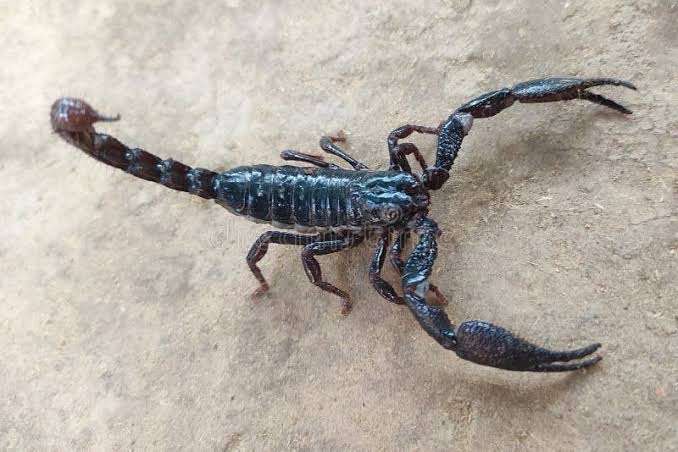
Giant Forest Scorpion
The giant forest scorpion is a magnificent creature that inhabits the dense tropical forests of Asia. This impressive arthropod not only captivates with its appearance but also intrigues with its behavior and habitat. Explore the mysteries and characteristics of this fascinating species throughout the article.
What is the Giant Forest Scorpion?
The giant forest scorpion is one of the most fascinating and imposing creatures that inhabit the tropical forests of Asia. This arachnid can reach up to 30 centimeters in length, making it one of the largest species of scorpions in the world. Its presence is an impressive spectacle, a true titan of the underworld. The body is robust and displays a coloration that varies from brown to olive green, providing it with perfect camouflage among the leaves and trunks of trees. This coloration not only helps it hide from predators but also indicates its adaptation to the tropical environment. The pincers are wide and powerful, adapted for capturing prey, while the tail, always in a curved position, is equipped with a stinger that releases venom. The venom is a defense mechanism but is also used in hunting. These scorpions prefer humid and shaded areas where they can effectively camouflage. Their body structure is an example of how evolution has shaped living beings in its own way. The long and agile legs allow them to move silently across the forest floor in search of their nocturnal prey. Details such as skin texture and the arrangement of their eyes are also adaptive. As it moves through the leaves, the giant forest scorpion becomes part of the ecosystem, playing a crucial role in environmental dynamics. This complexity makes it a being as intriguing as it is essential. For more about the incredible lives in the forests, visit here.
Habitat and Distribution
The giant forest scorpion, majestic in its appearance and size, finds its home in the dense tropical forests of Asia. These forests, covered by lush vegetation, offer a perfect sanctuary for this fascinating creature. In the dim light of the tall canopies, where sunlight filters slowly, giant scorpions move with grace and silence.
These scorpions prefer humid and shaded environments. The rich organic soil and abundance of fallen leaves create ideal microhabitats for their activities. Moreover, the dense cover provides the scorpion with an excellent line of defense against predators. They often hide under logs, stones, and in tree crevices, waiting patiently for their prey.
The distribution of the giant forest scorpion covers vast areas of Southeast Asia, including countries like Thailand, Malaysia, and Indonesia. These regions, with their vibrant tropical forests, are perfect for sustaining rich biodiversity, and the scorpion is no exception. Although they can be found at lower altitudes, they prefer areas where humidity is significantly high.
The impact of human action, such as deforestation and urbanization, threatens its habitat. These activities reduce tropical forests, forcing the scorpion to adapt to new environments. Therefore, the conservation of these forests is essential. Loss of habitat due to human activity can have dire consequences. The preservation of these ecosystems is crucial for the survival of the scorpion, which depends on the richness of the forests for its feeding and reproduction. To understand more about biodiversity in forests, visit here, where the importance of maintaining these rich and vital habitats is discussed.
Behavior and Feeding
The giant forest scorpion is a remarkable creature in its behavior and feeding habits. In its dense habitat, it is predominantly nocturnal, emerging under the moonlight when its senses become heightened. With a combination of cunning and patience, it moves with a grace that belies its imposing size. This scorpion is an opportunistic predator, feeding mainly on insects, spiders, and even small vertebrates like frogs and lizards.
Using its powerful pincers, it captures its prey with precision. The hunting technique of the giant forest scorpion is a fascinating demonstration of strategy. It uses its resilient exoskeleton as armor while approaching its victims. Once its prey is within reach, it strikes with a quick and accurate blow.
After capture, the scorpion uses its sting to inject venom, an effective method to paralyze its prey. The venom contains enzymes that begin to digest the prey’s tissue while it is still alive. This allows the scorpion to feed on a semi-digested meal, saving energy and time.
During the day, the giant forest scorpion is more reclusive, remaining in hideouts like burrows or under logs. This strategy avoids predators and minimizes exposure to the intense heat of the forest. This nocturnal hunting behavior and discreet daytime life are essential for its survival. For more curiosities about animal adaptations, visit this article.
Reproduction and Life Cycle
The reproduction of the giant forest scorpion is a fascinating spectacle, highlighting complex and social behaviors. During the mating period, males perform an intricate dance known as promenade à deux. This dance is dedicated to courting the female, where the male uses its pincers to hold the partner and guide her through a trail of rituals.
After a successful display, the female and male mate, and the female then undergoes a unique process in arachnid reproduction. She is ovoviviparous, which means that the eggs develop internally. Unlike females of many other species that lay eggs externally, the female giant forest scorpion brings her young into the world alive.
After a gestation period that varies from three to six months, the female gives birth to 20 to 30 young. Upon birth, the young scorpions climb onto their mother’s back. This initial protection is crucial, as the young are vulnerable to predators. After a few weeks, the young become independent and can explore the world on their own.
The growth of scorpions is marked by several molts, called ecdysis, in which they shed their exoskeleton to allow for growth. This phase is vital for their survival, as a rigid exoskeleton does not adapt to a growing body. This continuous cycle of reproduction and development emphasizes the resilience and adaptability of the giant forest scorpion. If you are interested in learning more about other aspects of wildlife, I recommend exploring the jumping spider, an intriguing example of adaptation in the animal kingdom.
Ecological Importance and Conservation
The giant forest scorpion plays a vital role in the ecological balance of its habitat. This arachnid acts as a predator, controlling populations of insects and other small animals. Its presence contributes to the health of the ecosystem and prevents the overpopulation of species that, without natural control, could cause harm to the environment.
In addition to being a predator, the giant forest scorpion also serves as food for various species. Birds, mammals, and even other arachnids depend on this scorpion in their diet. Thus, it is a key piece in the forest food web.
However, the conservation of this species faces significant challenges. Habitat destruction due to deforestation and urbanization puts the giant forest scorpion at risk of extinction. The tropical forests, which are its homes, are disappearing rapidly. This loss of habitat not only compromises the survival of the scorpion but also many other species that share its environment.
Moreover, pollution and climate change affect the quality of the scorpion’s habitat. These changes can alter the dynamics of available prey, directly impacting its survival capacity. To protect this fascinating creature and its ecological function, it is crucial to implement effective conservation measures. Environmental education and habitat rehabilitation efforts are essential steps that can help preserve this magnificent species. To learn more about the importance of predators in nature, see this article about spiders, which, like scorpions, have important ecological roles.
Conclusions…
The giant forest scorpion, with its imposing presence and unique characteristics, represents the rich biodiversity of tropical forests. The preservation of its habitat is vital to ensure its survival and the conservation of the ecosystems it inhabits.
Did You Know?
What is the habitat of the giant forest scorpion?
The giant forest scorpion inhabits tropical forests in Asia, where it finds shelter among dense foliage and tree trunks.
What are the physical characteristics of the giant forest scorpion?
This scorpion can measure up to 20 centimeters in length and has robust pincers and a dark body, making it impressive and feared.
Is the giant forest scorpion venomous?
Yes, although its venom is potent, it is not considered deadly to humans. However, caution should be taken when handling these animals.
What are the feeding habits of this species?
The giant forest scorpion is carnivorous, primarily feeding on insects and small arthropods that it captures with its pincers.
What role does the giant forest scorpion play in the ecosystem?
This species contributes to controlling insect populations, maintaining the ecological balance in the tropical forests where it lives.