The Fascinating World of the Star Tick
The Star Tick, a creature often overlooked, plays a crucial role in ecology and animal health. This article will explore its biology, habits, and the serious threat it poses by transmitting Rocky Mountain spotted fever, especially in large animals.
Biology of the Star Tick
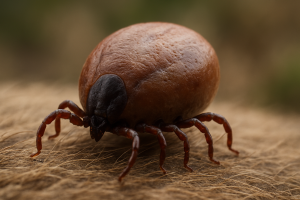
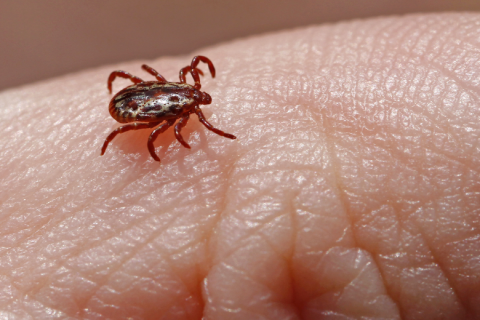
The Star Tick, a fascinating creation of nature, exhibits a unique morphology that distinguishes it from other species. Its body is flattened and oval-shaped, with a tough shell that varies in color, usually in shades of brown or gray, facilitating camouflage. Its legs are long and slender, adapted for movement on different surfaces. These morphological features not only aid in survival but also enhance efficiency in seeking hosts.
The vast majority of ticks undergo a life cycle that begins with egg-laying. The eggs hatch, giving rise to larvae that seek a small host. After feeding, they become nymphs, which, like the larvae, require blood for growth. This stage is crucial, as each phase allows for energy accumulation for the next step until they become attractive and prolific adults. Adults can reproduce multiple times, perpetuating the species.
The feeding habits of the Star Tick are a critical point in its biology. They primarily feed on the blood of mammals, birds, and even reptiles, but do so in a subtle and effective manner. The act of feeding requires sophisticated chemical communication, where odorants play a key role in attracting hosts.
The ecological importance of the Star Tick cannot be overlooked. They play a vital role in controlling the population of their prey and serve as disease vectors. Thus, while they are often seen as mere nuisances, they are, in fact, intrinsic to the balance of the ecosystems they inhabit. To explore more about the adaptive versatility of other creatures, check out this article on jumping spiders.
The Life Cycle and Habitat
The life cycle of the Star Tick is a fascinating journey. It begins with the egg phase, which is laid in moist, warm soil, an ideal environment for incubation. These eggs are small, nearly invisible to the naked eye, and can take one to two weeks to hatch. When this occurs, the larvae emerge, which are tiny and need a first host.
The larvae preferentially feed on small mammals or birds. During this phase, they are highly vulnerable, but the search for food is crucial. After feeding, they undergo a molt, transforming into nymphs.
The nymphs are slightly larger and more robust. They seek a second host, usually a larger mammal. This is a dangerous moment, as it is when the Star Tick, in search of sustenance, exposes itself to predators. After another feeding, the nymph transforms into an adult, a crucial moment that initiates its reproductive phase.
Adults are notable for their ability to adapt to different environments. They thrive in forests, fields, and even urban areas, as long as there is a host available. They prefer moist, shaded locations that provide the necessary humidity for their survival.
These ticks are most active in mild temperatures, typically in spring and fall. As they explore their habitats, they become skilled at clinging to the host, making a virtually imperceptible bite. For a view on how small creatures can have a significant impact, see the fascinating waterbird of the Brazilian waters.
Transmission of Rocky Mountain Spotted Fever
The Star Tick, a small arachnid, becomes a powerful vector for diseases, especially Rocky Mountain spotted fever. This condition, caused by the bacterium Rickettsia rickettsii, poses a significant threat to wildlife health. Infection occurs through the tick’s bite, which feeds on the blood of mammals. At the moment of the bite, pathogenic microorganisms are transferred directly into the host’s bloodstream.
The infection process is nothing short of fascinating. After attaching to an animal’s skin, the tick injects saliva, which contains anticoagulants to facilitate feeding. This saliva is the medium through which Rickettsia rickettsii enters, traversing the host’s immune system. Eager to infiltrate, these pathogens multiply, resulting in serious health issues.
The risks associated with Rocky Mountain spotted fever are not limited to humans. Animals, especially dogs and cattle, are susceptible to these devastating effects. The infection can cause high fever, muscle pain, and in extreme cases, result in death. Exposure to areas where the Star Tick is prevalent increases the incidence of this fever.
Pet owners should be particularly vigilant. Preventive measures include the use of repellents and regular inspections. The more informed we are about the fascinating world of arachnids, the more effective we will be in protecting our furry friends and the biodiversity around us.
Symptoms and Diagnosis
Rocky Mountain spotted fever, an infection transmitted by ticks, presents a variety of symptoms in animals. The initial signs often include fever, lethargy, and loss of appetite. As the infection progresses, other more pronounced symptoms may arise. Muscle spasms, abdominal pain, and the occurrence of reddish spots on the skin are common. These signs may be especially evident in the areas where the tick has fed, suggesting that the infection is spreading. It is vital to observe any changes in the animal’s behavior, as a more apathetic demeanor may indicate a more serious condition. If these symptoms are noted, an accurate diagnosis is crucial.
Veterinarians use a combination of clinical history, physical examination, and laboratory tests to confirm the infection. Serological tests may be employed to detect specific antibodies. Identifying the tick is also relevant, as different species can transmit different pathogens. A commonly used approach is to perform a complete blood count, which can reveal anemia or changes in platelet count.
Treatment for Rocky Mountain spotted fever involves the use of antibiotics, which are effective in containing the infection. Additional support, such as intravenous fluids, may be necessary in more severe cases. Proper management and timely medical intervention are crucial for the animal’s recovery. Maintaining close contact with a veterinarian is essential in cases of suspected Rocky Mountain spotted fever, ensuring effective support throughout the recovery process. For more information on pet care, check out this article.
Prevention and Control
The fascinating Star Tick, a notorious ectoparasite, requires effective measures to prevent its proliferation. Firstly, regular cleaning of the home is essential. Remove debris and keep the grass trimmed, eliminating places where ticks can hide. Outdoor spaces should be monitored. Avoid the accumulation of leaves, as they attract animals that may be hosts. Additionally, installing fences around the garden helps restrict access for wild animals that may carry ticks. Pets also require special care. Regular baths with specific soaps can help eliminate potential ticks. Furthermore, it is important to inspect pets after outdoor activities. Check for signs of ticks and remove them immediately. The use of protective spacers, such as appropriate antifungal collars, can be a smart choice. However, it is vital to consult a veterinarian for selecting the safest and most suitable method for each animal. Promoting a favorable habitat for local wildlife can help in the natural control of tick populations. Instead of pesticides, consider introducing animals that feed on ticks. This approach can be beneficial in the long run. For more information on pet care, you can read about other useful aspects in this interesting article. By implementing these strategies, everyone can contribute to a healthier and safer environment.
Conclusions…
The Star Tick is not just a parasite of the past but a true risk agent in animal health. Understanding its life cycle and habits is crucial to mitigate the risks associated with Rocky Mountain spotted fever and preserve the health of our four-legged friends.
Did You Know?
What is the Star Tick?
The Star Tick is an ectoparasite that feeds on the blood of animals, known for transmitting Rocky Mountain spotted fever, a serious disease.
How is Rocky Mountain spotted fever transmitted?
Rocky Mountain spotted fever is transmitted through the bite of the Star Tick, which inoculates pathogens while feeding on the host’s blood.
What are the symptoms of Rocky Mountain spotted fever?
Symptoms include fever, headaches, skin rash, and in severe cases, serious complications such as bleeding may occur.
How to prevent infections from Star Ticks?
Prevention includes avoiding infested areas, using repellents, and regular inspections after outdoor activities.
What is the impact of the Star Tick on animal health?
This tick poses a significant risk, especially to cattle and horses, affecting their health and overall well-being.