Mysterious Sicarius Spiders
In the vast realm of spiders, the Sicarius stands out as an enigmatic creature. Equipped with six eyes and intriguing behaviors, this species reveals the secrets of its existence, being a voracious predator with fascinating adaptations. Let’s explore the world of this spider, its environment, characteristics, and its impact on the ecosystem.
The Biology of Sicarius
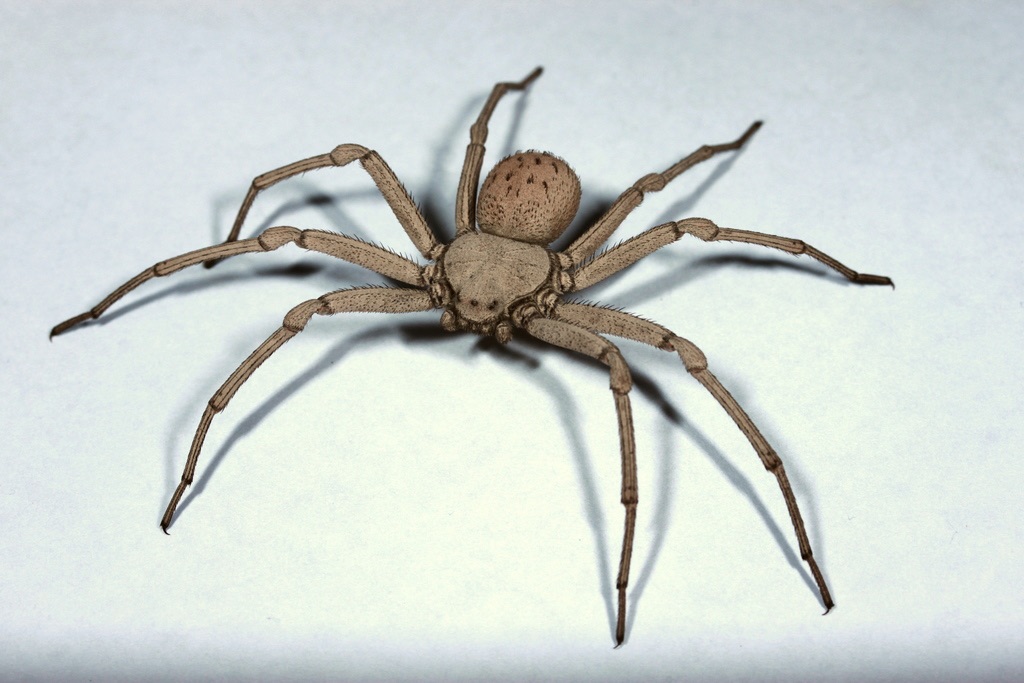
The Sicarius spider, also known as the violin spider, exhibits intriguing morphological characteristics. Its body is generally brownish, allowing for exceptional camouflage in its habitat. The Sicarius is notable for its six eyes, arranged in a trio on each side of its head. This peculiar configuration is an adaptation that aids in detecting subtle movements in low-light environments. Unlike most spiders, which have eight eyes, this feature gives the Sicarius a uniqueness that sets it apart from its relatives.
Additionally, its long, slender legs are designed to facilitate movement across sandy and rocky terrains. Each leg ends in fine claws, allowing the spider to grip surfaces and move with agility. The Sicarius has an elongated and compact abdomen, housing potent venom glands. This venom is lethal to its prey, usually small insects, and acts quickly, enabling the Sicarius to consume its victims efficiently.
Another emphatic aspect of its biology is the presence of urticating hairs on its body surface, which can cause discomfort to potential predators. These hairs are an essential form of defense, providing an additional advantage against threats. These morphological and anatomical characteristics make the Sicarius not only an effective predator but also a cunning survivor in the often-hostile world of spiders. Such adaptations distinguish it from other spiders, making it a fascinating example of evolution in the animal kingdom. For more information on the impressive adaptations of animals, check out this article on jumping spiders.
Habitat and Distribution
Sicarius spiders predominantly inhabit arid and semi-arid regions of South America and Africa. These environments include deserts and areas of xerophytic vegetation, where the heat is intense during the day and temperatures can drop at night. The adaptability of these spiders has always been a striking feature of their survival in this challenging ecosystem. The Sicarius prefers shelter in locations that offer shade and protection. Rocks, crevices, and holes in the ground are its preferred hiding spots. This choice of habitat is not casual; by hiding in strategic locations, the spider can regulate its body temperature and protect itself from predators.
An interesting factor is the Sicarius’s ability to camouflage. Its coloration and texture resemble the surface it resides on, making it practically invisible to keen eyes. This ability is crucial in environments where hunting and survival depend on a good concealment strategy. Furthermore, local variations influence the amount of moisture and soil temperature, which in turn affects the distribution of these spiders. Although most Sicarius species thrive in dry regions, some can be found in slightly more humid environments, as long as they meet the need for shelter and camouflage. For those wanting to better understand the role of these fascinating arachnids in their ecosystems, it is recommended to explore other creatures that share their habitats, such as jumping spiders, which also possess intriguing adaptations. Learn more about them here.
Behavior and Feeding
Sicarius spiders are masters of camouflage and patience. They hide under the sand, where the environment is conducive to their stealth hunting techniques. Their behavior is intriguing and efficient. Generally, Sicarius can be found in arid environments, such as deserts and dry areas. This choice of habitat is fundamental to their predatory strategy.
The Sicarius’s diet mainly focuses on insects. By developing an exceptional ability to hide, it waits for the passage of an unsuspecting prey. Once the moment is right, the Sicarius strikes with surprising agility. Its long, slender legs help it move quickly, while its multifaceted eyes provide sharp vision of its surroundings.
After capturing its prey, the Sicarius uses its potent venom to paralyze it. The venom contains enzymes that begin to digest the interior of the victim. This method not only ensures a safe meal but also simplifies the feeding process, allowing the spider to eat with less effort.
This hunting behavior is extremely adapted to its environment. The arid soil does not offer many food options, so the Sicarius must maximize every opportunity. The ability to camouflage and wait patiently is essential. Thus, it not only survives but thrives in its habitat. To better understand the complexities of spider life, I recommend exploring the fascinating study on jumping spiders, which illustrates hunting strategies and adaptations in the same captivating realm.
Defenses and Threats
The Sicarius spider, often called the violin spider, possesses a fascinating arsenal of defenses that make it a true master of survival. One of its primary strategies is camouflage. Its brownish-yellow coloration allows it to blend perfectly into the desert environment it inhabits. Predators, such as birds and other arachnids, have difficulty detecting it. Additionally, the Sicarius can bury itself in the sand, becoming almost invisible. This ability is essential for avoiding the attention of larger threats.
When feeling threatened, this spider can adopt a defensive behavior. Its aggressive nature is often provoked by a tight space or during the defense of its eggs. In this context, it may use its venomous bite, which is notably potent. Sicarius venom, classified among the most dangerous in the world, is intended to incapacitate its prey quickly. Although humans are not the usual target, encounters can result in severe consequences.
Humans often fear this spider, leading to a cycle of prejudice and, frequently, unnecessary exterminations. Understanding its behavior and respecting its habitat is fundamental. The Sicarius plays a vital role in controlling insect populations, helping to maintain balance in its ecosystem. Its presence is an indicator of the environmental health of its region. Ignoring or fearing this creature can have repercussions throughout the food chain. To learn more about the intriguing complexity of nature, check out this article on fascinating spiders.
Ecological Importance
The Sicarius spider plays a crucial role in the ecological balance of the habitats it inhabits. As a predator, its presence helps control populations of insects and other small arthropods. This control is vital to prevent overpopulation that could destabilize the local ecosystem. The Sicarius uses its camouflage ability, both to hide from predators and to ambush prey. The interaction of this spider with its environment reveals an intricate life cycle.
Biologists and ecologists observe that the Sicarius not only regulates prey populations but also serves as food for larger predators. The dynamics in the food chain are essential for the health of the ecosystem. Spiders like the Sicarius, although feared, are important players in interspecific relationships, contributing to biological diversity.
On the other hand, the existence of the Sicarius is an indicator of environmental health. Its sensitivity to changes in habitat, such as pollution or deforestation, alerts us to ecological imbalances. The conservation of this species is, therefore, a sign of the conservation of the environments it shares. Respecting the Sicarius is not just about protecting a spider, but also preserving the entire web of life of which it is a part.
Conserving the Sicarius’s habitat and respecting its nuances is fundamental. Environmental education initiatives are essential for people to understand the importance of this fascinating creature. By empowering communities, we promote a dialogue about the harmonious coexistence between humans and spiders. To learn more about the incredible biodiversity of spiders, read about jumping spiders.
Conclusions…
The Sicarius, with its adaptability and distinct characteristics, is not just a curiosity of the natural world but also a crucial species for ecological balance. Understanding its biology and behavior encourages us to value and respect the biodiversity that surrounds us.
Did You Know?
What is the Sicarius spider?
The Sicarius spider is a species of spider from the genus Sicarius, known for its six eyes and potent venom, primarily inhabiting arid regions.
Where does the Sicarius spider live?
This spider prefers desert and semi-arid environments, hiding under rocks and in burrows to avoid predators and dryness.
What are the feeding habits of the Sicarius?
Sicarius is carnivorous, preying on insects and other small arachnids, using its web to capture its prey.
How does the Sicarius defend itself?
It uses its camouflaging ability to conceal itself in its environment and can inject potent venom in case of threats.
Does the Sicarius pose risks to humans?
Although its venom is extremely potent, bites to humans are rare, and with proper treatment, the risks are low.