The Fascination of the Green Iguana
The green iguana is a fascinating herbivorous lizard found in the tropical forests of Central and South America. This article explores its characteristics, habitat, diet, care as a pet, and ecological contributions, highlighting the importance of this charming species in biodiversity and human coexistence.
Characteristics of the Green Iguana
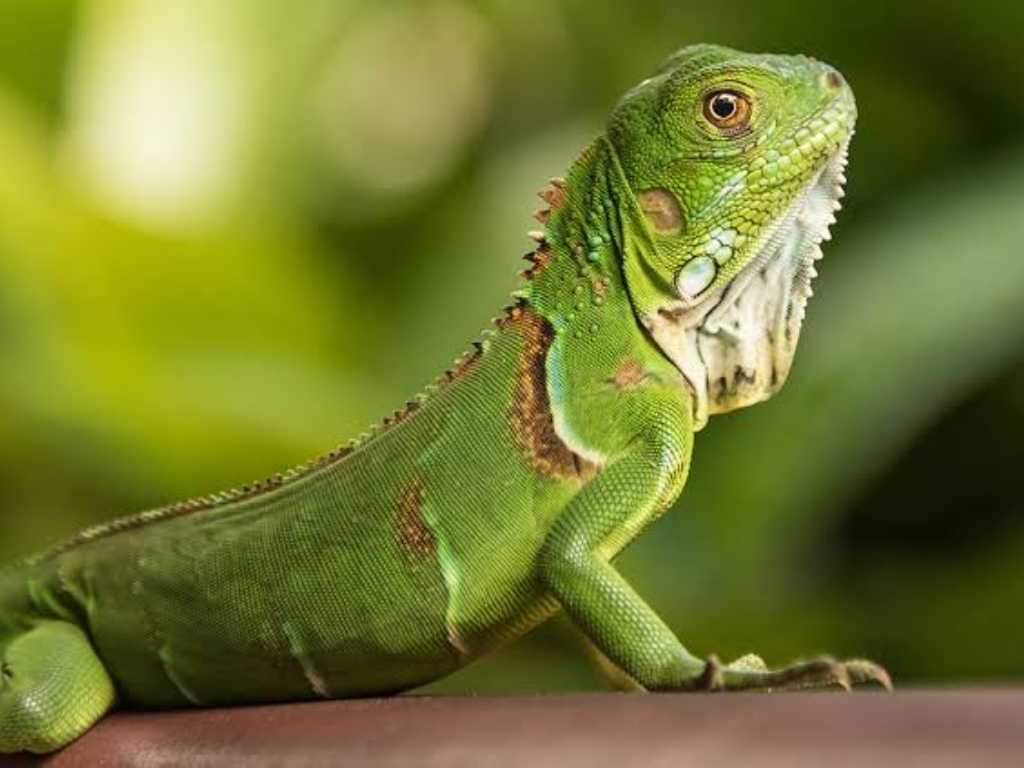
The green iguana, with its majestic stature, is a remarkable example of how evolution has shaped life. These reptiles can reach up to two meters in length, including the tail, which is a crucial element of their anatomy. Their robust body is covered in scales that vary in vibrant shades of green. This coloration is not only attractive but also plays a vital role in their camouflage among the leaves and shadows of tropical forests.
During the mating season, males display more intense coloration, revealing hues of blue and yellow. Additionally, they have a prominent dorsal crest, which stands out, especially during displays or defense. This crest serves as a visual warning to predators and competitors.
One of the most fascinating adaptations of the green iguana is its ability to camouflage. They blend impressively into their habitat, becoming virtually invisible to predators like birds of prey. Their long, agile fingers, equipped with sharp claws, allow them to skillfully climb tall trees, where they find safety and food.
The green iguana also possesses a long, forked tongue, which helps it detect scents in the air, essential for foraging. Its diet, rich in vegetation, is diverse, including leaves, flowers, and fruits. This diet not only sustains the energy needed to live in its environment but also contributes to healthy skin.
To learn more about the fascinating life in tropical forests, you can visit this link, which explores the survival of different species in this rich ecosystem.
Natural Habitat
In the vastness of tropical forests, the green iguana stands out as a marvel of adaptation and beauty. This fascinating reptile, with its vibrant shades of green, is a notable inhabitant of this rich and diverse ecosystem. The green iguana prefers the treetops, where it can find shelter and food. The dense canopies provide shade and a cool environment, crucial for its survival. Tropical forests experience a humid and warm climate, providing consistently high temperatures and elevated humidity. Frequent rains sustain the lushness of vegetation, creating an ideal home for the iguana and countless other species. This vibrant environment hosts an incredible variety of plants, insects, and birds. These, like the iguana, interact in a delicate ecological balance. The green iguana not only feeds on leaves and flowers but also plays a significant role in seed dispersal, promoting the health of the forest. It adapts to changes, moving agilely among branches and leaves. Its camouflage ability provides protection against predators. Since they live in groups, the green iguana also benefits from social behavior, aiding in vigilance against threats. Communication behaviors, such as displays and postures, strengthen their relationships. The habitats of these creatures are threatened by human action, but conservation is vital to maintaining the life cycle in tropical forests, allowing the beauty and splendor of the green iguana to persist. For those wishing to understand more about interactions in this ecosystem, I recommend reading about the fascinating water birds of Brazil in the Biguatinga, an example of the rich fauna that complements this magnificent habitat.
Herbivorous Diet
The green iguana, with its impressive aesthetics and fascinating behavior, is an herbivorous consumer par excellence. This reptile prefers green leaves, flowers, and fruits, making trees and shrubs its favorite feeding spots. Its diet is rich in vegetation, which is not only nutritious but essential for its proper development. Hibiscus leaves, dandelion, and kale leaves are especially appreciated. The act of feeding is not just a physiological necessity but a habit that influences the ecosystem around it.
Green iguanas play a critical role in seed dispersal. By consuming fruits like mangoes and bananas, they do not digest all the seeds, which are later excreted in various locations. This allows new plants to grow in different parts of the habitat, promoting biodiversity. However, the feeding of these iguanas can also have adverse effects. When many iguanas congregate in areas with sparse vegetation, they can cause significant damage to plants.
The interaction with plants is a vital aspect of ecological balance. Iguanas help maintain the structure of the habitat while ensuring the health of their plant communities. Their presence can determine which plant species thrive or decline in a given environment. The vegetation that this iguana consumes contributes to the maintenance of objects in its habitat, ensuring that other animals can thrive there. For a deeper exploration of the importance of herbivores in nature, you can read about the elephant, the gentle giant of nature, which plays a similar role in its ecosystems.
Care as a Pet
The green iguana, with its impressive appearance and intriguing behavior, requires special care in captivity. To ensure its health and well-being, its natural habitat must be replicated as closely as possible. A spacious terrarium is essential. This space should have areas for climbing, such as logs and shelves, as iguanas are arboreal creatures. Using appropriate substrate, such as paper towels or sand, helps in cleaning and maintaining a healthy environment.
The temperature of the habitat should be maintained between 25 and 30 degrees Celsius, with a hot spot of around 35 degrees. Additionally, it is crucial to provide UVB lighting, as it promotes calcium absorption. Without it, iguanas can develop serious health problems, including rickets. Humidity should also be controlled, keeping it between 60% and 70% to simulate their tropical environment.
When it comes to feeding, green iguanas are herbivorous. They need a diet rich in dark leafy vegetables and fruits in small amounts. Foods like kale, dandelion, and edible flowers are great options. Avoiding the inclusion of animal protein is essential, as this can lead to health issues.
Health should be continuously monitored. Regular observations of behavior, eating habits, and any physical changes are fundamental. A veterinarian specialized in reptiles should be consulted for regular check-ups. Providing a safe and stimulating environment not only enhances the iguana’s life but also strengthens the bond between owner and animal. Caring for a green iguana is a commitment that brings immense rewards and a fascinating glimpse into wildlife. The importance of an adequate habitat is also seen in other species.
Ecological Importance
The green iguana, with its impressive appearance and adaptability, plays a vital role in its habitat. It is, in fact, an essential component of biodiversity, helping to maintain ecological balance. By feeding on leaves, flowers, and fruits, the green iguana contributes to seed dispersal. This process is crucial for the growth of new plants. Thus, they become agents of renewal in tropical forests, helping to regenerate vegetation. Furthermore, the green iguana serves as an important prey for various predators, helping to sustain the food chain. Among its predators are birds of prey, snakes, and even larger felines. This relationship between prey and predator is fundamental to the dynamics of ecosystems, where each species, including the iguana, has its place. However, the green iguana faces considerable challenges. Habitat destruction, primarily due to human action, has reduced their populations. Deforestation for agriculture and urbanization has led to the loss of their natural environment. Additionally, illegal capture for the pet trade also negatively impacts their populations. Climate change, in turn, alters weather patterns and food availability. The green iguana, like many species, needs to adapt quickly to these changes. Protecting and conserving the green iguana is therefore essential to preserving the health of its ecosystems. To delve deeper into the importance of species, check out the post about toucans and their ecological interactions.
Conclusions…
In summary, the green iguana is an impressive species that plays a vital role in the ecosystem. As a pet, it requires special care and attention. Its preservation is essential, and awareness of its importance in nature should be promoted among wildlife enthusiasts.
Did You Know?
What is the habitat of the green iguana?
The green iguana inhabits tropical forests, areas near bodies of water, and arboreal regions of Central and South America.
What does the green iguana eat?
The green iguana is herbivorous and primarily feeds on leaves, flowers, and fruits.
What care is necessary to have a green iguana as a pet?
It requires an adequate environment, a balanced diet of fresh vegetables, and exposure to UVB light.
Is the green iguana considered an endangered species?
Although popular as a pet, the green iguana faces threats due to habitat loss and capture for illegal trade.
Can the green iguana live in captivity?
Yes, but it requires specific care, sufficient space, and attention to its physical and emotional needs.