Discovering the Komodo Dragon
The Komodo Dragon, the largest lizard in the world, is an extraordinary creature that inhabits the islands of Indonesia. With its impressive combination of size and unique characteristics, this reptile offers a fascinating insight into evolution and the ecosystems that surround it. Let’s explore its biology, habitat, behaviors, and the impact it faces in nature.
The Grandeur of the Komodo Dragon
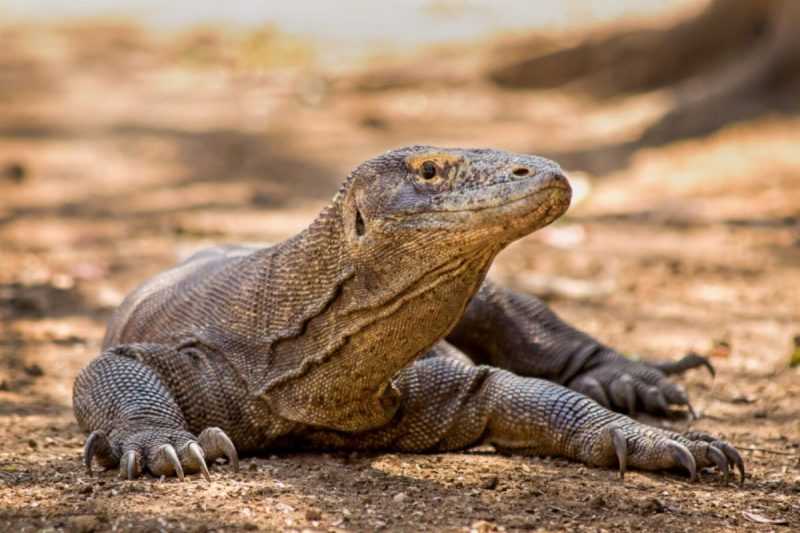
The Komodo Dragon is undoubtedly one of the most impressive creatures in nature. Native to the Indonesian islands, it can reach up to three meters in length and weigh as much as 70 kilograms. Its width and robustness make it not only the largest lizard in the world but also a formidable predator. Its skin is covered with hard scales that vary in shades of brown, gray, and green, allowing it to camouflage itself in its environment.
The dragon’s jaw is a masterpiece of biology. Its powerful jaws, equipped with serrated teeth, can easily tear through flesh. Additionally, the dragon’s saliva contains a variety of bacteria that make its bites potentially lethal. This gives the dragon a unique advantage in hunting, as its prey often succumbs to infections after being bitten.
Another fascinating aspect is the solitary lifestyle of the Komodo Dragon. It is an opportunistic predator, feeding on deer, wild boars, and even other dragons. Its ability to resort to a varied diet helps it thrive in an environment where competition for resources can be intense.
The dragon’s locomotor system is equally impressive. Despite its size, it moves with surprising agility, capable of running at speeds of up to 20 km/h over short distances. With such remarkable adaptations, the Komodo Dragon truly exemplifies the grandeur and ingenuity of evolution on Earth. To learn more about the complexities of ancient fauna, check out the fascinating rhinoceros.
Habitats and Ecology
The Komodo Dragon, found on the islands of Komodo, Rinca, Flores, and Gili Motang, resides in diverse ecosystems. These islands are a mix of dry forests and savannas, providing a varied habitat. The tropical climate, marked by a dry season and a rainy season, plays a crucial role in shaping the environment. During the dry season, vegetation becomes less dense, exposing more soil and creating favorable areas for hunting and grazing.
The dry forests offer shelter and breeding sites. Tall trees and shrubs provide shade and resting areas on hotter days. Additionally, the presence of freshwater in lakes and streams sustains wildlife and contributes to the dragon’s health. This reptile is a top predator, and its presence is a sign of the health of the local ecosystem.
The interaction of the Komodo Dragon with its habitat is fascinating. It regulates populations of smaller animals, such as deer and pigs, and maintains ecological balance. Its carnivorous diet includes carrion, which helps eliminate waste and diseases from the environment. The presence of the Komodo ensures the sustainability of its habitat and the species around it.
The Indonesian islands, with their rich biodiversity, are essential for the survival of the Komodo Dragon. These ecosystems, always in harmony, show us how each creature plays a vital role. For a deeper look at the interaction between predators and their prey, you can check out this fascinating analysis of predators in nature.
Behavior and Feeding
The Komodo Dragon is a supreme predator in its habitat. Its diet consists mainly of carrion and live prey. This gigantic lizard uses a combination of strength and patience. When hunting, it adopts a stealthy approach, moving slowly through its environment. With a devastating bite, the Komodo Dragon tears into the flesh of its victims. Its jaws are equipped with knife-like sharp teeth that help rip apart meat. After capturing its prey, the dragon often waits. It allows itself a digestion period before fully consuming the carcass. This can take days, even weeks, depending on the size of the catch.
The diet of the Komodo Dragon includes animals such as buffalo and wild boars. These moments of hunting and feeding are crucial for the local ecosystem. By feeding on prey, the Komodo Dragon helps control herbivore populations. This, in turn, promotes the health of native plants and vegetation.
Surprisingly, dragons do not refrain from consuming the weaker members of their own species. They engage in cannibalism, especially in situations of food scarcity. This is a part of their behavior that ensures genetic continuity and the strength of the group.
Moreover, the impact of the Komodo Dragon’s activities goes beyond its meals. They help spread seeds through their feces, thus contributing to ecological balance. As they explore their territory, they also create trails that other species use to move, becoming key agents in their communities. To understand more about the impact of predators in nature, see this article about the elephant, the gentle giant of nature, which also plays a vital role in the ecosystems it inhabits.
The Threat to Survival
The Komodo Dragon, a marvel of evolution, faces increasing threats that jeopardize its continuity. One of the main challenges is habitat loss, caused by urban expansion and agriculture. The forests where these magnificent reptiles live are being deforested. This destruction drastically limits their hunting and breeding areas.
Additionally, habitat fragmentation results in isolated populations. This can harm genetic diversity, making Komodo Dragons more vulnerable to diseases. The natural food chain is also impacted, affecting the availability of prey. Without sufficient food, the health of the dragons deteriorates. Animals already adapted to their environment face new battles.
Another significant threat is poaching. Although Komodo Dragons are emblematic creatures of their homeland, the demand for their skins and body parts in illegal markets continues. Additionally, the hunting of prey such as deer and wild boars directly affects the survival of the dragons, exacerbating the struggle for food.
The impacts of these threats are alarming. Komodo Dragon populations are declining, with estimates indicating fewer than 6,000 individuals remaining in the wild. This decline is not just a statistic; it represents the loss of a vital link to the planet’s natural history. The struggle for the survival of this great reptile is urgent and must be a global priority.
To understand more about how habitat preservation can help, check out this article that explores the importance of conserving entire ecosystems, also benefiting other species.
Conservation and Protection
The majesty of the Komodo Dragon, one of the largest lizards in the world, is threatened by a combination of factors. Climate change, poaching, and habitat loss put this species at risk. However, significant conservation efforts are underway. Protected areas, such as Komodo National Park, have been established to ensure the safety of these animals. This park, a wonder of nature, is home not only to the dragons but also to an incredible diversity of wildlife. It is a refuge, a sanctuary that allows these majestic creatures to thrive.
Local and international organizations also play crucial roles. They work in partnership with communities, raising awareness about the importance of conserving the Komodo Dragon. Educational programs aim not only to protect the species but also to improve the quality of life for local inhabitants. By encouraging sustainable practices, these initiatives contribute to the preservation of ecological balance.
Furthermore, biologists monitor dragon populations. Tracking and research help understand the behavior and ecology of this fascinating species. This data is vital for formulating appropriate protection strategies. The establishment of ecological corridors is a promising approach to ensure access to necessary habitats. An often-overlooked aspect is the role of ecotourists. They not only promote the local economy but also help protect the dragons. Conscious visitors can make a significant difference. Thus, everyone can contribute to ensuring the survival of the Komodo Dragon, a living treasure of nature.
For more information on animal conservation, check out this article on rhinoceroses.
Conclusions…
The Komodo Dragon represents a vital part of our planet. Its unique nature and the threat of extinction make the conservation of these majestic beings essential, ensuring that future generations can continue to learn from them. Protecting these lizards is a shared responsibility.
Did You Know?
What is the habitat of the Komodo Dragon?
The Komodo Dragon inhabits the islands of Komodo, Rinca, Flores, and Gili Motang, where it concentrates in areas of savanna, open forests, and coastal zones.
What differentiates the Komodo Dragon from other lizards?
Besides its impressive size, the Komodo Dragon has toxic saliva with bacteria that cause infections in its prey, making it a feared predator.
How does the Komodo Dragon feed?
The Komodo Dragon is an opportunistic carnivore, feeding on prey such as deer, birds, and even carrion. Its attack method is brutal and effective.
What is the conservation status of the Komodo Dragon?
The Komodo Dragon is considered vulnerable to extinction due to habitat loss and poaching. Conservation efforts are underway to protect it.
How do Komodo Dragons reproduce?
Komodo Dragons mate during specific times of the year, with females laying eggs that hatch after about 8 months, with maternal care being rare.