The Fascinating Sand Spider
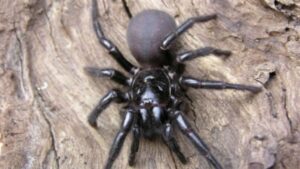
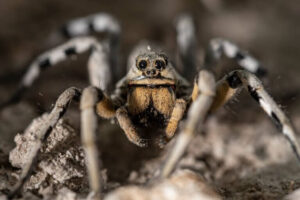
The sand spider, with its small and agile body, is a master of camouflage and adaptation. This article explores the enchanting world of this peculiar spider, its desert habitat, hunting skills, and fascinating way of life beneath the sand.
Desert Inhabitants
The desert environment where the sand spider resides is a fascinating and extreme ecosystem. With its vast stretches of sand, this habitat is characterized by high temperatures during the day and a sharp cooling at night. The sand spider has skillfully adapted to these challenging conditions to thrive.
The geographical features are marked by rolling dunes and isolated valleys. These formations are not only a visual spectacle but also directly influence the lives of the creatures that inhabit them. The sandy soils allow for rapid drainage of water, making moisture a rarity. The spider resorts to small holes in the sand, which help regulate its temperature and conserve moisture.
Climate conditions vary significantly. During the hottest months, the sand spider emerges shortly after sunset, when temperatures drop. This is when it becomes active, taking advantage of the darkness to hunt for food. The rare rains that occur can bring temporary periods of life to the desert, but these moments are fleeting.
The sand spider uses its cunning to adapt. It manages to avoid predators by leveraging the geography and temperature of the desert. Every element of this environment plays a vital role in its survival. To learn more about the impressive lives of desert inhabitants, it is worth checking out this article, which explores how species adapt to natural challenges.
Camouflage and Survival
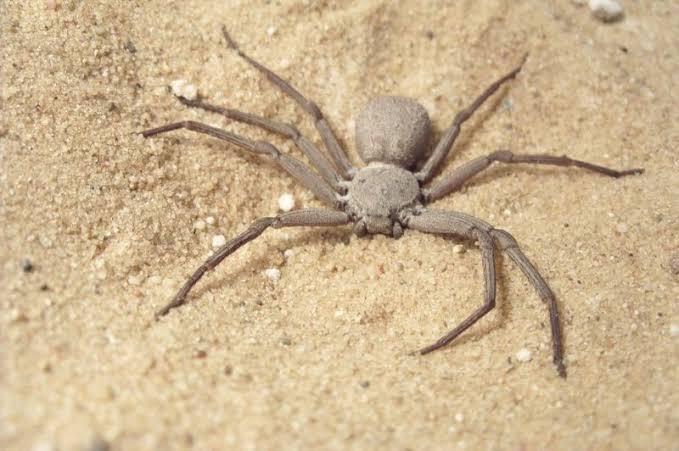
The sand spider is a marvel of nature, a master of camouflage. Its body is adorned with colors that mimic the sand, allowing it to blend into its environment. This ability offers protection against predators. When threatened, it quickly burrows beneath the sand. This act is not simple; it involves a series of skillful movements. With its legs, the spider removes grains of sand and forms a small cave. It is a fascinating spectacle that reveals the cunning of this arachnid.
Moreover, the sand spider does not limit itself to hiding. Its camouflage is also a trap for unsuspecting prey. When an insect approaches, the spider waits patiently. The sand, which serves as its shelter, becomes an ally in the hunt. The defense and attack mechanism is ingenious. In a matter of seconds, the spider emerges, capturing its prey with grace and precision.
This ability to hide is crucial, especially in arid environments where life can be difficult. Regions like deserts and coastal zones are home to this fascinating creature. The lack of shelter makes it vulnerable. Its camouflage, therefore, prolongs its existence. Sand spiders teach us that adaptation is fundamental. To learn more about the camouflage abilities of other animals, you can access this link, which explores the jumping spider, another fascinating example of nature.
Hunting Methods
The sand spider is a true artist of ambush. With a combination of speed and precision, it stands out among the desert predators. When it spots prey, its strategy begins. It camouflages itself in the sand, swaying gently with the wind, becoming almost invisible. This tactic is crucial. An unexpected movement can easily scare off its prey. When choosing a location, these spiders prefer areas where light and shadow meet. This provides a perfect setting for capture.
The speed of the sand spider is impressive. Upon detecting movement, it can accelerate quickly, using its robust legs to leap in pursuit of prey. The precision of its attacks is admirable. With a swift movement, it can latch onto its prey before it has a chance to react. Its thin, sharp fangs aid in this task, allowing for a firm and effective grip.
Adaptability is essential for its survival. The sand spider can alter its tactics according to the prey. For example, when dealing with flying insects, it increases its attack speed. However, when facing faster creatures, like scorpion larvae, its approach is more cautious and planned. This flexibility makes it a formidable predator in its habitat.
Thus, the sand spider exemplifies the perfection of evolution. Every movement is a dance of life and death, driven by the need to survive in the arid desert, where every inch counts. For more information about other fascinating predators, see this article.
Ecological Interactions
The sand spider, with its camouflage ability and elaborate hunting methods, plays a vital role in the desert ecosystem. It is a cunning predator, capturing insects that could otherwise become pests in its habitat. This predator-prey interaction is essential for ecological balance. Through this dynamic, the spider helps regulate insect populations, contributing to the health of the ecosystem.
In addition to its prey, the sand spider interacts with various other species. For example, small vertebrates and birds may feed on spiders, influencing local biodiversity. These relationships create a complex food cycle, where each organism has its place. The presence of the spider is, therefore, indicative of a healthy ecosystem, where diversity is celebrated.
Spiders also play an important role in pollination. By moving between flowers in search of prey, they help in the transfer of pollen. This process is often overlooked, but it is fundamental for the reproduction of many desert plants.
The interactions of the sand spider with its environment and its inhabitants are the soul of the desert. Every movement and every web spun influences the vitality of the ecosystem. For a deeper understanding of predators and their prey, one can consult this article about spiders.
Challenges and Conservation
Sand spiders, like many other living beings, face significant challenges due to environmental changes. Habitat degradation, resulting from urbanization, intensive agriculture, and climate change, directly affects their survival. These factors not only alter the ecosystem but also decrease the availability of prey, which is essential for their feeding and reproduction.
The sand spider is a specialized predator, adapted to hunt insects on the ground. However, the loss of its natural habitat reduces the number of trees and plants that provide shelter and food. Climate changes, such as rising temperatures and shifts in precipitation patterns, create unstable environments and affect insect populations.
Moreover, soil pollution and the introduction of pesticides compromise the quality of its habitat. These chemical agents not only kill spiders directly but also affect the food chain more broadly, putting local biodiversity at risk.
Conserving the sand spider’s habitat is essential for its survival. Protecting natural ecosystems and restoring degraded areas are fundamental steps. Conservation initiatives, such as protected areas and awareness programs, help preserve these environments. The watercourses and forests surrounding the habitats of sand spiders play a vital role, promoting an ecological balance necessary for their continuity.
Conservation is not just a responsibility but a necessity. Protecting the sand spider and its habitat contributes to the health of the ecosystem as a whole. For more information on biodiversity care, I recommend this article on how to preserve nature, which offers insights into the importance of conservation in the environment.
Conclusions…
The sand spider is a fascinating creature that demonstrates how nature adapts and evolves. Its hunting and camouflage tactics are a testament to the wonderful ecological balance that exists in deserts. Protecting these habitats is vital for the preservation of such intriguing species.
Did You Know?
What is the sand spider?
The sand spider is a species that lives in deserts, known for its camouflage and hunting abilities beneath the sand.
Where does the sand spider live?
It is primarily found in deserts, where it hides beneath the sand to avoid predators and capture prey.
What are the characteristics of the sand spider?
This spider has a small and fast body, ideal for agile maneuvers while hiding and hunting.
How does the sand spider hunt its prey?
It uses its camouflage beneath the sand to surprise its prey, attacking quickly.
What is the ecological importance of the sand spider?
It plays a fundamental role in controlling insect populations in its desert habitat.