The Fascinating Softshell Turtle: The Mystery of the Waters
The softshell turtle represents one of the most intriguing mysteries of the animal kingdom. With its flexible shell and smooth skin, it is a true symbol of adaptation in the rivers of Asia and North America, capturing the interest of ecologists and nature lovers.
Unraveling the Softshell Turtle
In the shadows of freshwater, the softshell turtle emerges as a marvel of evolution, a true enigma of nature. With its soft and flexible shell, which sets it apart from the hard shells of its relatives, this creature exhibits a lifestyle adapted to aquatic life. Not just a means of protection, but also an example of biological design that challenges conventions.
Physical Characteristics
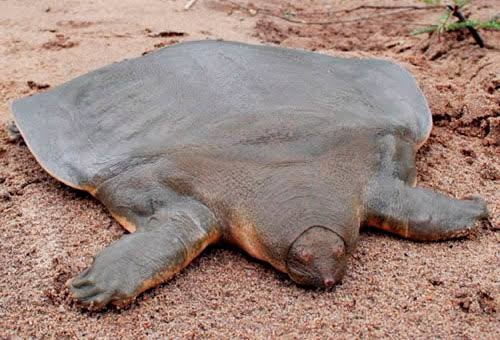
The physical attributes of the softshell turtle are fascinating. Its body has a coloration that varies between shades of brown and olive, providing effective camouflage in aquatic environments. The head, equipped with a prominent snout, has a strong jaw that allows it to feed on a variety of aquatic organisms, from plants to small invertebrates. Notably, its limbs are adapted like paddles, allowing agile movements in the water, making it an exceptional swimmer.
Behavior and Habits
This reptile, although predominantly aquatic, exhibits behaviors that denote an intriguing interaction with its environment. The softshell turtle is known for its ability to absorb oxygen through its skin, an adaptation that allows it to remain submerged for long periods. Additionally, its voracious feeding behavior is a spectacle, where it stands out among the roots of aquatic plants. Observing it move slowly along the bottom of a river filled with vegetation is like witnessing a primitive dance, deeply connected to its habitat. Indeed, the softshell turtle is not just a representative of its species, but a living witness to millennia of adaptations and changes. As we delve deeper into the waters it inhabits, it becomes essential to understand the type of habitat that best suits this fascinating creature.
The Ideal Habitat: Rivers and Tributaries
While nature continues to reveal itself in its splendor, few beings manage to adapt as well to aquatic conditions as the fascinating softshell turtle. Inhabiting rivers and tributaries, these creatures, with their supple and smooth shells, play a vital role in the ecosystem they inhabit. The choice of habitat is essential for their survival, as every detail of the waters surrounding them influences not only their life but the entire dynamics of the environment.
Favorable Aquatic Environments
Softshell turtles thrive in freshwater, typically found in slow-flowing rivers, ponds, or swamps. In these locations, the water temperature, ideally ranging between 22°C and 30°C, preserves the metabolism of these animals. Furthermore, the presence of watery areas with abundant vegetation is crucial. Aquatic plants not only provide shelter but also serve as a food source, essential for the growth and reproduction of the species. The quality of the water is equally imperative. Clean and well-oxygenated environments are indispensable; pollution and sedimentation can be devastating factors. Consequently, softshell turtles can utilize their diving abilities, remaining submerged for long periods to avoid compromised waters. This adaptation allows them to seek out purer waters, ensuring that their population continues to thrive.
The Importance of Habitat Diversity
A diverse habitat is a foundation for the health of the softshell turtle. The presence of natural predators, such as birds and fish, as well as a variety of invertebrates, contributes to a balanced ecosystem. This complexity not only offers safety but also abundant feeding options. Therefore, by understanding the ideal habitat of softshell turtles, we can better appreciate the importance of conserving the waters they inhabit, thus enriching the cycle of aquatic life. In this way, it is possible to experience the beauty of these creatures in their natural environment.
As we now explore the delights of the softshell turtle’s diet, we reflect on how what they consume is intrinsically linked to their habitat, forming a continuous cycle of survival and adaptation.
The Diet of the Softshell Turtle
In a world where the diversity of marine life is fascinating, the softshell turtle reveals its dietary secrets. Thus, understanding its diet is crucial to unraveling the mysteries of this unique species that lives in tropical and subtropical waters. What composes its diet? The softshell turtle is a versatile consumer, primarily feeding on fish, invertebrates, and aquatic vegetation. Its feeding habits vary according to resource availability and season. Moreover, turtles play a critical role in the ecosystem by helping to maintain the health of marine habitats. They consume aquatic plants and, by doing so, promote the cleaning of the areas where they live, facilitating the growth of other species.
The Importance of Diet
A proper diet is essential for the health and reproduction of the softshell turtle. Its nutritional needs are linked to its growth capacity, development, and even its immune system. In fact, a balanced diet promotes successful reproduction, ensuring that future generations play a vital role in the continuity of the species. When the turtle consumes varied foods, marine biodiversity benefits, creating a healthy environment for all organisms. Therefore, the diet of the softshell turtle is not just about survival; it is a complex web that connects many aspects of life in the waters it inhabits. By understanding more about its dietary preferences, we begin to unravel how the softshell turtle interacts with its habitat and the implications of its diet on the ecosystem. Thus, as we proceed, we will see the challenges this majestic creature faces, testing its resilience against the threats that arise in its path.
Challenges and Threats to Survival
The softshell turtle lives an existential dilemma that is both tragic and fascinating. This enigmatic creature, gliding smoothly through the calm waters of rivers and lakes, faces a series of threats that accumulate like dark clouds on a stormy day. Although its unique form and intriguing behavior attract admiration, the challenges to its survival are serious and multifaceted.
Human Factors
Human intervention proves to be one of the greatest threats to the softshell turtle. Deforestation along riverbanks and water pollution have direct impacts on their natural habitats. The indiscriminate use of agrochemicals, for example, contaminates the aquatic environment, reducing the availability of essential prey. Additionally, accidental fishing, where turtles become trapped in nets, results in significant mortality. Undoubtedly, uncontrolled urbanization harms their migratory routes and breeding sites.
Natural Factors
Besides human challenges, natural factors also play a crucial role. Climate change alters aquatic ecosystems, affecting water levels and exacerbating competition for resources. Floods and intensified droughts have become more frequent, affecting not only adult turtles but also their incubating eggs. Consequently, these creatures are affected by an intricate interplay of forces that combines the action of nature with human presence.
Thus, while we admire the beauty of the softshell turtle, we must also reflect on the consequences of our actions. The future of this species lies in the hands of those who recognize the urgency of protecting the environments that sustain its life.
Conservation and Protection of the Species
If we could understand the profound importance of the softshell turtle to the aquatic ecosystem, perhaps we would act with more urgency. This fascinating species, with its soft body and unique appearance, faces a series of threats ranging from pollution to habitat destruction. Softshell turtles are more than remnants of past eras; they are crucial to the ecological balance of our freshwater systems.
Conservation Initiatives
Various organizations around the world have been tirelessly working to ensure the survival of the softshell turtle. Habitat rehabilitation and restoration projects are paramount, as the degradation of aquatic ecosystems affects not only the turtle but countless other species. Environmental education programs are also fundamental, preparing future generations to be guardians of our biodiversity. Only when communities become aware of their role in conservation can we see significant changes.
How We Can Help
Each of us can make a difference. First, it is essential to adopt sustainable practices, reducing plastic use and avoiding pollution of waterways. Participating in local river and lake cleanup campaigns helps restore the natural habitat of these turtles. Additionally, supporting initiatives and NGOs that focus on wildlife conservation is an effective way to contribute, not only to the softshell turtle but to the preservation of all aquatic life.
As we reflect on our connection with these ancient creatures, we become part of a collective effort to ensure that they continue to swim in our waters for future generations. Now, as we move forward, let’s dive into the mythology and legends surrounding Iara, the forest mermaid.
Conclusions…
In summary, the softshell turtle is a species that not only enchants with its unique appearance but also with the ecological contribution it offers. Protecting its habitat and ensuring the preservation of this species is fundamental to maintaining biodiversity in the rivers they inhabit. Being aware of the challenges these turtles face is the first step toward promoting effective conservation actions.
Did You Know?
- What is the natural habitat of the softshell turtle? The softshell turtle is found in rivers and lakes in Asia and North America, preferring calm waters with aquatic vegetation.
- What are the main physical characteristics of this turtle? It has a flexible shell and smooth skin, which distinguishes it from other turtle species, as well as being larger than average.
- What threats does the softshell turtle face? The main threats include habitat loss, water pollution, and capture for illegal trade.
- How does the softshell turtle adapt to its environment? This turtle easily adapts to its environment, being able to bury itself in mud or hide among rocks to avoid predators.
- Is the softshell turtle an endangered species? Yes, some subspecies of the softshell turtle are listed as endangered due to habitat degradation.
- What preys on the softshell turtle? Natural predators include birds of prey and mammals that often hunt in aquatic environments.
- What is the ecological role of the softshell turtle? It helps maintain a healthy aquatic ecosystem by controlling populations of aquatic plants and being an important part of the food chain.
- How can I help in the conservation of the softshell turtle? You can help by avoiding pollution of rivers, supporting conservation organizations, and educating others about the importance of protecting this species.