The Fascinating Camel Spider
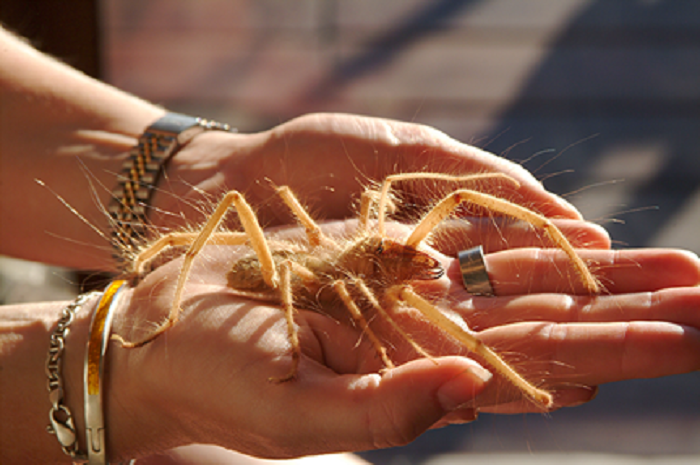
Residents of arid lands, camel spiders, also known as sun spiders, impress with their speed and appearance. In this article, we will explore their unique characteristics, intriguing behavior, and the myths surrounding these fascinating creatures.
Physical Characteristics
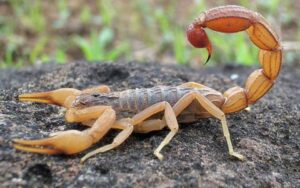
The yellow scorpion, scientifically known as Tityus serrulatus, is one of the most fascinating and feared inhabitants of tropical lands. This arachnid, which can reach up to 10 centimeters in length, is easily identified by its bright yellow coloration. This hue is not just an aesthetic feature; it plays a crucial role in the scorpion’s camouflage and survival among leaf debris and dry soils. Its body is segmented, featuring an elongated structure that grants it agility and an aerodynamic shape that facilitates movement in search of prey. The pincers, or chelicerae, are robust and well-developed, adapted to capture and immobilize insects and small arthropods, which make up its diet. With a quick and precise movement, the yellow scorpion can detect even the slightest movements, qualifying it as an efficient predator. Spiders, for instance, that often cross its path, stand no chance against this scorpion’s hunting skills. Moreover, its specialized olfactory senses allow it to locate prey from a distance. The combination of a rigid exoskeleton and strong claws facilitates attacks and ensures protection against predators. The sensory hairs covering its body further enhance its ability to detect vibrations in the environment. These adaptations make the yellow scorpion a master predator in the tropical ecosystem. To learn more about the adaptability of living beings in extreme environments, check out this article on tardigrades.
Hunting Skills
The camel spider is a fascinating predator, dominating its habitat through remarkable hunting skills. This arachnid is known for its impressive speed. When a target appears, the camel spider can reach speeds that place it among the fastest creatures among arthropods. This agility allows it to capture prey with ease, adjusting its hunting tactics to ensure success in its ambushes. The ambush tactics of the camel spider are equally intriguing. This predator camouflages itself in its environment, using colors and textures to blend in with the arid soil. When a prey approaches, it remains motionless, waiting for the perfect moment to strike. A quick and calculated leap allows it to close the distance in an instant. This combination of speed and camouflage makes it an excellent hunter, willing to take risks in a stealthy approach. Most of its prey are insects that do not perceive danger until it is too late. This ability places it at the top of the food chain, where few competitors can rival its prowess. In addition to speed, the camel spider also possesses venomous bites that quickly paralyze its prey. Even the largest threats can be neutralized with its precise and effective hunting skills. Thus, the camel spider not only survives but thrives in hostile environments, standing out as a remarkable predator in the vastness of its natural habitat. To better understand how these characteristics develop, it is also worth exploring natural traps, as discussed in the article on jumping spiders, which reveal similar instincts among arthropods.
Habitat and Behavior
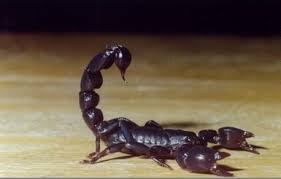
The black scorpion, Bothriurus nigricans, has become an intriguing figure in urban areas. It inhabits environments that are often overlooked by humans. In urban spaces, it seeks refuge in places that offer safety and a bit of moisture. It prefers hiding spots that range from debris and piles of leaves to crevices in walls and holes in trees. Pruning piles and cracks in pavements provide vital shelter. During the day, it remains hidden, avoiding direct sunlight, which can be lethal.
The adaptation of the black scorpion to the urban environment is remarkable. With the decrease of its natural habitats, its hunting practices have become more versatile. The search for prey, such as insects, occurs at night. It uses its vision and vibrational sensitivity to detect movement. Its hunting behavior is calculated and strategic. Armed with powerful claws and effective venom, it patiently waits for the right moment to strike. A quick and precise movement ensures the capture of its prey.
Moreover, the black scorpion is a superb biologist, adapting to environmental variations. Cities offer a microcosm full of opportunities but also dangers. This arachnid has become an integral part of the urban ecosystem, showing that even in the shadows, life continues to thrive. To better understand how creatures like the black scorpion adapt and interact with the environments they occupy, check out this article on bats and their importance in urban ecosystems.
Myths and Realities
The camel spider, with its imposing size and peculiar appearance, is often surrounded by myths. Many people believe they are extremely dangerous arachnids, even lethal. However, this notion results from misunderstandings and exaggerations. These creatures have venoms that can cause discomfort but rarely pose a direct threat to humans. The venom is used to capture prey and does not target humans.
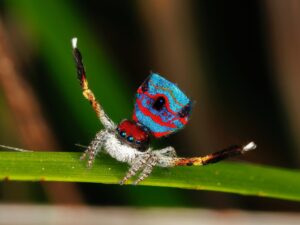
Another common myth is the idea that the camel spider can jump long distances. This notion likely originates from the spontaneous way they move, giving the impression of a jump. In reality, their long legs allow them to move quickly, but they do not jump like the limbs of jumping spiders do.
The origins of these misconceptions can often be attributed to popular culture, which tends to exaggerate the characteristics of these beings, promoting a terrifying image. In horror films and urban legends, the camel spider is often portrayed as a deadly predator, perpetuating fear towards them.
It is essential to demystify these erroneous ideas. Understanding the truth about the camel spider helps us appreciate its importance in the ecosystem. These arachnids, as predators, play a vital role in controlling insect populations. Furthermore, by recognizing the myths, we can promote a more peaceful coexistence between humans and these fascinating animals. Understanding these facts is crucial for respecting and protecting the natural environment in which they exist. To learn more about species interactions, you can access this link.
Ecological Importance
The yellow scorpion is a vital link in the complex web of tropical life. Its presence in ecosystems reveals much about the health and balance of the environment. This arthropod is a cunning predator, competing with other predators for survival. It feeds on insects, arachnids, and small vertebrates, significantly contributing to the population control of its prey. This, in turn, keeps the dynamics of the ecosystem in harmony, preventing overpopulation that could lead to habitat degradation.
Its role as a pest controller is invaluable. In urban and rural areas, where insects can be abundant, the yellow scorpion acts as a natural regulator, reducing the number of mosquitoes and other insects. By doing so, it protects not only agriculture but also human health, decreasing the incidence of insect-borne diseases.
Moreover, the presence of the yellow scorpion indicates a healthy ecosystem, as it prefers habitats rich in biodiversity. Its absence may signal environmental problems. Capturing these scorpions in field studies allows for the assessment of the impact of environmental changes on local fauna.
Interaction with other species is also crucial. Predators, such as birds and mammals, include the yellow scorpion in their diet, so the extinction or decrease in their numbers could affect these predators. In summary, the ecological importance of the yellow scorpion lies in its ability to weave connections between various forms of life, maintaining the delicate balance of nature. To better understand the fascinating biodiversity, read about the smartest arachnid.
Conclusions…
In summary, the camel spider is a fascinating creature of nature, whose behavior and unique characteristics make it a true marvel of fauna. Demystifying the myths surrounding it is essential for appreciating its importance in the ecosystem.
Did You Know?
What is the camel spider?
The camel spider, known for its speed and peculiar appearance, is a non-venomous spider that inhabits arid regions.
Is it really dangerous?
Although it has an impressive appearance, the camel spider is not venomous and poses no danger to humans.
Where does the camel spider live?
These spiders are primarily found in desert regions, where they have adapted to the arid climate and high temperatures.
Can the camel spider be identified by its appearance?
Yes, camel spiders have large bodies and long legs, making them easily recognizable.
What are common myths about the camel spider?
Among the myths is the idea that they are highly venomous or that they attack humans, which is not true.