Brazil’s Dangerous Wandering Spider
The wandering spider, known for its aggressiveness and potent venom, is a true enigma of nature. This article will explore its behavior, habitat, treatment of bites, and myths surrounding this fascinating species, revealing why it is one of the most feared spiders in Brazil.
Anatomy and Behavior
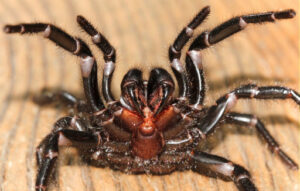
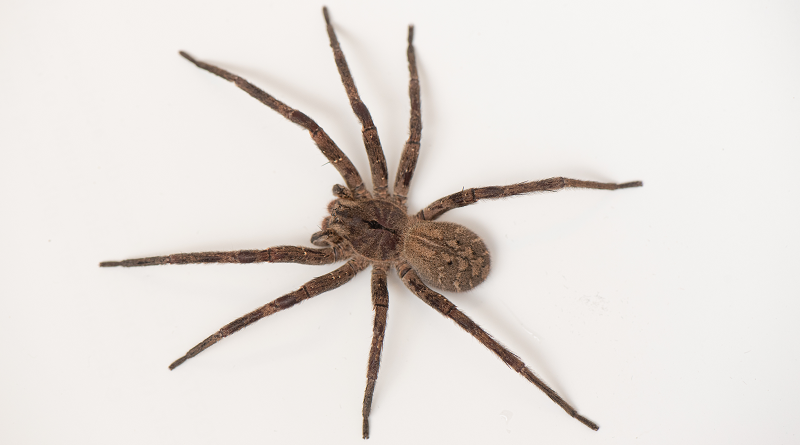
The wandering spider, with its robust body and long legs, is a fascinating example of adaptation. Its body can reach up to 5 centimeters in length, in addition to its legs that extend even further. The colors vary between brown and black, providing effective camouflage in its habitat. The eyes are large, allowing for sharp vision, essential for hunting. These arachnids are known for their potent venom, which is crucial for immobilizing their prey, mainly insects and small vertebrates. The venom contains neurotoxins that quickly affect the nervous systems of the victims, making them easy targets.
The hunting behavior of the wandering spider is also remarkable. It does not hide in webs like many spiders but uses ambush as a technique. The spider waits, quiet and patient, in strategic locations, such as under leaves or in rock crevices. This tactic allows it to strike quickly when prey approaches. The moment of capture is undoubtedly a spectacle; the front legs move swiftly, grabbing the prey before it even has a chance to react.
This combination of strength, speed, and venom makes the wandering spider a truly effective predator. With its ability to camouflage and a hunting style that emphasizes patience and sudden attack, it is a top-level predator in its ecosystem. To learn more about the beauty and danger of the spider world, check out this article.
Natural Habitat and Distribution
The wandering spider, known for its imposing size and noticeable aggressiveness, is a common inhabitant of the tropical and subtropical forests of Brazil. These spiders prefer densely vegetated areas, where they can build their nests in holes, crevices, and under fallen leaves. The high humidity and diversity of insects in the forests are essential factors for their sustenance and reproduction.
Geographically, the distribution of the wandering spider covers most of South America, including countries like Brazil, Argentina, and Paraguay. In Brazil, there is a special concentration in the Amazon region, where the favorable environment promotes the proliferation of this arachnid. It is fascinating to observe how the natural habitat influences their behaviors; the dense environment of the forests allows the wandering spider to hide from predators while preparing to ambush its prey.
Unfortunately, human presence in the form of urbanization and deforestation is altering the habitats of wandering spiders. As humans encroach upon the forests, they force these creatures to adapt to new environments, often in urban areas. This results in more frequent interactions between humans and spiders, increasing the risk of unwanted encounters and bites. Wandering spiders tend to hide in places like tires, garages, and corners, leading to possible accidents.
With each new conservation of forested areas, a vital space for these predators is preserved. Understanding where these spiders inhabit is essential for peaceful coexistence between species and humans. To learn more about the fascinating behavior of other arachnids, you can visit this article about jumping spiders.
The Effects of Venom
The venom of the wandering spider is a true chemical treasure. Composed of a complex mixture of neurotoxins, it acts quickly on the nervous system of its prey and potential threats. When a wandering spider bites, the venom attacks the nerve cells, causing paralysis and, in many cases, the death of the target. For small animals, such as insects, the venom is lethal in a short period. On the other hand, humans may experience a range of variable reactions. This depends on the amount of venom injected and the individual sensitivity of each organism. The symptoms of a wandering spider bite can be quite alarming. Initially, the victim may experience intense pain, resembling a bee sting. The area around the bite may become red and swollen. Progressively, more severe symptoms may appear, such as excessive sweating, agitation, and in some cases, difficulty breathing. Muscle spasms are also a frequent occurrence. It is crucial to understand that, although the bite is not fatal in all situations, the impact can be devastating for vulnerable individuals, such as children and the elderly. In natural contexts, predators like frogs, birds, and other arachnids are also affected by this venom. Frogs, in particular, have developed defenses that make them less susceptible. The effectiveness of the wandering spider’s venom, therefore, represents the fascinating balance of the food chain. To learn more about predator interactions, check out this article about rhinoceroses.
Treatment and Prevention of Bites
In the face of the unsettling possibility of a wandering spider bite, the response must be quick and clear. First aid is essential, as the effectiveness of treatment may depend on the reaction time. If a bite occurs, it is advisable to remain calm. The affected area should be washed with soap and water, which helps prevent infections. After that, apply a clean cloth or a cold compress for 15-20 minutes to minimize pain and swelling. Avoid touching the wound or applying any substance without proper guidance. If symptoms worsen, such as excessive swelling or difficulty breathing, seek immediate medical attention. Know that it is essential to identify the spider only if it is safe to do so, as this can help professionals provide the appropriate treatment.
Prevention is even more effective than the response after a bite. To avoid unwanted encounters, it is wise to adopt some practices. Keep the environment clean and free of debris, as these are places where spiders can hide. Frequently check corners, garages, and areas prone to web formation. Wear protective clothing when working in the garden or in areas with dense foliage. Inspect shoes and hanging clothes before wearing them. Remember that while the wandering spider is a fascinating creature, respect and caution are valuable allies in our coexistence with nature. To learn more about the behavior of some arachnids, check out the behavior of the jumping spider, a species with intriguing characteristics.
Myths and Realities
The wandering spider is often surrounded by a veil of myths and distorted realities, contributing to the overwhelming fear that many feel towards it. Let’s demystify some of these notions.
One of the most common myths is that the wandering spider is the most venomous spider in the world. While it has potent venom, its lethal potential is often overstated. Cases of fatalities are extremely rare, and most of the time, bites result in discomfort but not serious problems.
Another point of confusion involves its behavior. Many people believe that the wandering spider attacks indiscriminately. In reality, this species prefers to avoid interactions. When pressured, it only bites in legitimate defense. It is fascinating to realize that, although it has a great capacity for predation, this spider is much more vulnerable to humans than one might think.
Moreover, there is a persistent myth that the wandering spider hides in dangerous places, such as shoes or clothes. While this may occur, in reality, it prefers to inhabit more natural areas, such as tree holes or tangled terrain, where it feels safe. Therefore, the chance of an unexpected encounter is low.
Demystifying these myths can lead to a more respectful interaction between humans and these incredible arachnids. It is a reminder that with knowledge, we can better understand the behavior and biology of this fascinating creature. For more information about intelligent arachnids, check out this post about the jumping spider.
Conclusions…
The wandering spider is a remarkable example of the power of nature. With its highly effective venom and aggressive behavior, it deserves respect and understanding. By learning more about it, we can share the environment more safely and consciously, minimizing risks and respecting this impressive predator.
Did you know?
What is the importance of the wandering spider in the ecosystem? The wandering spider plays a crucial role in controlling insect populations, helping to maintain ecological balance in its habitat.
How to identify a wandering spider? The wandering spider is recognized by its robust body, long spiny legs, and its color that varies between brown and black, often with a distinct pattern.
What are the symptoms of a wandering spider bite? Symptoms include intense pain at the bite site, swelling, sweating, and in severe cases, respiratory problems and anaphylactic shock.