Dog Tick: The Microcosm of Infection
Dog ticks are small organisms that play a significant role in animal health. They offer a fascinating insight into how parasites can interact with their hosts, transmitting serious diseases. This article will explore the biology of the dog tick, the diseases they transmit, and the best practices for preventing infections in our dogs.
The Biology of the Dog Tick
The dog tick, an intriguing arachnid, has a fascinating life cycle. It starts as an egg, which transforms into a larva, then a nymph, and finally an adult. During these stages, its habitat changes. They thrive in moist and shaded environments, often found in lawns, forests, and gardens. Thus, dogs, frequently taken for walks in these areas, become ideal prey for these parasites.
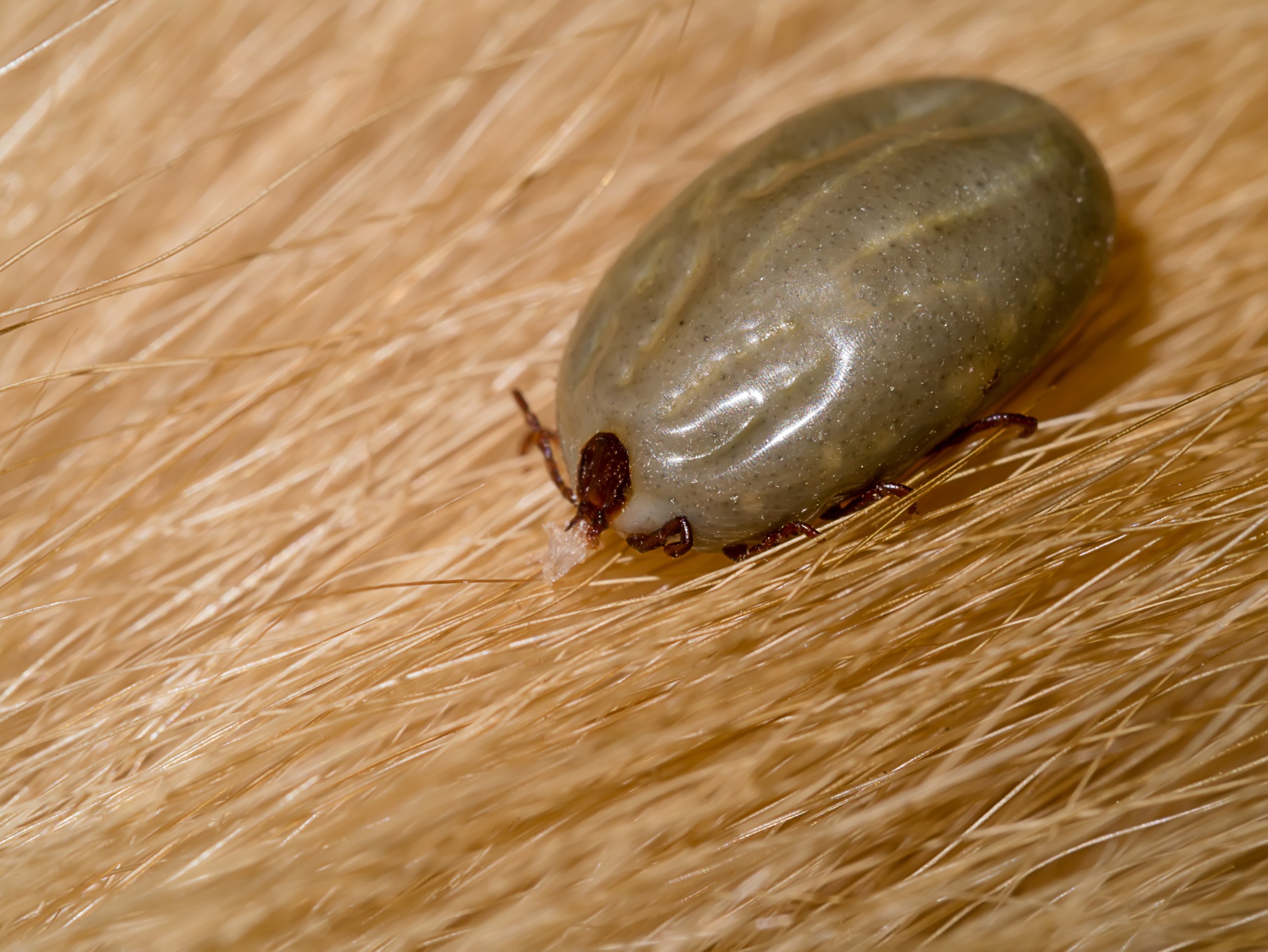
The tick feeds on the host’s blood. When an adult tick attaches to a dog’s skin, it begins feeding, initiating an exchange that directly affects the animal’s health. Ticks insert a mouthpart-like structure, allowing them to anchor to the skin. While feeding, they secrete saliva, which contains anticoagulants, facilitating blood absorption.
This feeding is not merely an act of survival. The tick uses this connection to reproduce. After feeding, the female can lay thousands of eggs, ensuring the perpetuation of the species. This life cycle, closely linked to feeding and habitat, emphasizes how dog ticks can influence the ecosystem by interposing themselves in the relationship between dogs and their environment.
As dogs explore, ticks take advantage, creating a complex web of interactions. Regular care, such as inspections and preventive measures, is essential to reduce tick infestations. These intricate relationships between ticks and their hosts are vital for understanding the impact of parasitic infections. To learn more about how interactions between different living beings affect life on Earth, check out the fascinating world of bats.
Diseases Transmitted by Ticks
The dog tick, present in various regions, is a dangerous vector for several diseases. Among its most alarming infections are babesiosis and ehrlichiosis. Babesiosis, caused by protozoa, leads to high fever, lethargy, and anemia in dogs. Owners may notice pale gums, a clear sign that something is wrong. Without treatment, this infection can result in severe complications and even death. On the other hand, ehrlichiosis, caused by bacteria, presents symptoms such as fever, weight loss, and bleeding. Infected dogs may become lethargic and show abnormal bleeding, leading to a chronic condition if not treated properly.
In addition to these, Lyme disease is another infection transmitted by the dog tick. Dogs may show symptoms similar to humans, such as joint pain, fever, and fatigue. In severe cases, kidney function may be compromised, making the infection even more frightening. Owners should always be alert to changes in their canine friends’ behavior, as early detection is crucial for successful treatment.
Leishmaniasis, although less common, can also be transmitted by ticks. Symptoms include skin lesions and internal organ compromise. This infection is complex and can result in serious complications for the animal’s health. Therefore, care for these small arachnids should not be neglected. For more information on the impact of insect bites and how to care for your pet, check out this fascinating article.
Prevention and Control of Ticks
Life is full of wonders and challenges, and dog ticks are a fascinating example of how nature can interact in surprising ways. Tick prevention is a fundamental topic for dog health. Implementing effective measures can significantly reduce the incidence of these parasites. The use of antiparasitics plays a crucial role. These products, ranging from collars to topical medications, can effectively combat ticks. Regular application, as recommended, is essential for ongoing protection. Additionally, the hygiene of the environment where the dog lives should not be overlooked. Cleaning areas where dogs frequent, such as gardens and yards, helps hinder tick establishment. Keeping them well-groomed and bathed can also aid in quickly detecting and removing these parasites. Another essential aspect is careful inspection after walks in rural or forested areas. The animal’s body should be thoroughly examined, especially in warm and hidden areas, such as ears, neck, and between toes. If any tick is found, immediate removal is imperative to prevent infections. It is worth noting that, in certain situations, daily care at home can make the difference between a happy, healthy animal and one facing serious health issues. Protecting our four-legged friends requires dedication, but this action can safeguard their lives from invisible dangers. For more information on care and interactions in nature, see this fascinating topic.
Identifying Infections in Dogs
In the vastness of forests and meadows, dog ticks await their moment. These small parasites, invisible from a distance, can bring devastating consequences for dogs. An animal lover must be vigilant for signs of infection, as the health of their faithful companion depends on it.
One of the first warning signs is a lack of energy. If a dog is usually active and suddenly becomes apathetic, it’s time to investigate. Fever can also be an indicator. A dog that feels warm to the touch may be fighting an infection. Additionally, reduced appetite is a sign that something is not right. Other signs include vomiting and diarrhea, which are often underestimated but reveal an internal struggle.
Conducting a thorough inspection of the coat is essential. The owner should look for tangled hair or irritated areas on the skin. Small redness or swelling may indicate the presence of ticks. If a tick is found, removing it quickly is crucial, using a specific tweezer, and consulting a veterinarian can be a wise decision.
Careful observation of the dog’s habits can provide valuable clues. If there are drastic changes in behavior, such as aggression or isolation, this is also a warning sign. If any of these symptoms appear, do not hesitate to seek a reliable veterinarian. Early care can be the difference between quick recovery and serious complications. To better understand the impact of infections, visiting this article can provide insights into how parasites interact with their hosts.
Treatment and Veterinary Care
The battle against the dog tick requires attention and a strategic plan. Infections caused by these parasites not only affect animals but also pose a risk to human health. The first step in treatment is the careful removal of the tick, avoiding the release of potentially infectious secretions. The technique should be performed innovatively, using appropriate tweezers and avoiding damaging the insect’s head. After removal, veterinarians recommend the use of appropriate medications. These may include antibiotics to treat bacterial infections that arise as a result of the tick bite. Additionally, oral or topical antiparasitics are often prescribed to eliminate any trace of the parasite. The success of treatment, therefore, depends on the effectiveness of the remedy used and the owner’s adherence to veterinary guidelines. Veterinary supervision is vital throughout the treatment process. Professionals not only monitor the animal’s response to treatment but also adjust dosages and methods as necessary. The importance of regular check-ups cannot be underestimated. They help detect problems resulting from infections, such as anemia and other complications. Rigorous follow-up ensures that the animal returns to full health, and if additional interventions are needed, the veterinarian will be prepared to act quickly.
Ultimately, a well-structured care plan, guided by a veterinarian, will determine the healthy outcome of this battle against the dog tick. It is not just a parasite; it is a constant reminder of the interconnections that exist in nature. For more information on the impact of parasites on wildlife, see this article on jumping spiders.
Conclusions…
Understanding the life cycle and risks associated with the dog tick is crucial for the health of dogs. Proper prevention and treatment are essential to protect our furry friends from serious diseases that these parasites can transmit. With proper care, we can ensure a safe and healthy environment for our companions.
Did you know?
What is the dog tick?
The dog tick is a parasite that feeds on the blood of dogs and can transmit diseases such as babesiosis and ehrlichiosis.
What diseases can ticks transmit?
Ticks can transmit several diseases, including babesiosis, ehrlichiosis, Lyme disease, and Rocky Mountain spotted fever.
How to prevent tick infections?
Prevention includes using specific repellents, regularly checking the dog’s coat, and maintaining clean, tick-free environments.
What are the signs of tick infection?
Signs of infection include lethargy, fever, loss of appetite, and, in some cases, visible ticks on the dog’s skin.
What is the treatment for infections caused by ticks?
Treatment may include antibiotic therapy, antiparasitic medications, and symptomatic care, depending on the severity of the infection.