Emperor Scorpion: The King of Scorpions
The emperor scorpion is one of the most imposing creatures in the animal kingdom, not only for its size but also for its beauty and complexity. In this article, we will unveil the biology, behavior, and importance of this fascinating arachnid, as well as discuss its role as a pet and its presence in nature.
The Fascination of the Emperor Scorpion
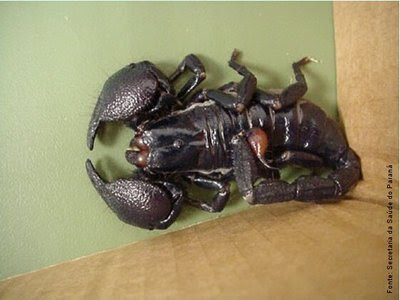
The emperor scorpion, with its majestic stature, has an evolutionary history that dates back over 400 million years. It is a perfect example of adaptation. Its physical and behavioral characteristics have evolved for a nocturnal and predatory lifestyle. Among the largest scorpions in the world, it can reach up to 20 centimeters in length.
This species, commonly found in the tropical forests of Africa and the Middle East, stands out for its dark and shiny color. Its coloration is not just an aesthetic matter; it serves as camouflage among the leaves and tree trunks. The emperor scorpion is a perfect example of the struggle for survival, adapting to its environment over millennia, which has made it an effective predator.
Beyond its appearance, it is fascinating to observe the social behavior of the emperor scorpion. Several individuals can cohabit the same shelter, a rare behavior among scorpions. This reflects an intriguing social complexity, where interaction among members can facilitate hunting and defense.
Studies on its biology have revealed how scorpions, in general, possess abilities that go beyond what we can imagine. They play a vital role in ecosystems, controlling populations of insects and other arthropods. Therefore, the presence of the emperor scorpion in its habitat is strategic for the health of the ecosystem.
Understanding the emperor scorpion is to comprehend the beauty and complexity of evolution in nature. To explore more about these fascinating creatures, readers can adapt their perceptions by examining other similar species and their interactions.
Physical Characteristics and Behavior
The emperor scorpion is one of the largest known species of scorpions, reaching up to 20 centimeters in length. Its robust and muscular body is adapted for capturing large prey, such as insects and small vertebrates. The coloration of this creature is fascinating, ranging from a pale yellow to almost black, depending on the lighting. This variation in colors helps it camouflage in the environment, avoiding predators.
The structure of the emperor scorpion is equally impressive. Its wide and strong pedipalps are not only used for grasping but also for detecting vibrations in the environment. The claws found on these limbs are large and developed, providing excellent hunting capabilities. Additionally, its abdomen is long and segmented, ending in a venom-producing gland. Despite its venom being potent, it is more often used to incapacitate prey than to defend against predators.
Regarding behavior, the emperor scorpion is nocturnal. During the day, it hides under rocks, logs, or in the ground, becoming active at dusk. When searching for food, its movement is calculated and cautious, essential for capturing prey. This scorpion is also known for its social behavior, forming groups in sheltered locations. This social interaction can be seen in its dances and fights, which are part of the mating ritual.
To learn more about the fascinating behavior of other creatures, you can access this article.
Habitat and Distribution
The emperor scorpion, a magnificent example of adaptation, thrives in a variety of habitats. Naturally, these arachnids inhabit tropical forests, savannas, and rocky areas in Africa and along the Arabian coast. Each of these environments presents unique challenges. The survival capability of the emperor scorpion stands out in how it adapts to local conditions. In dense forests, it finds shelter under fallen leaves and logs, where humidity is high and predators are limited. In arid regions, it resorts to burrows or under stones to protect itself from the scorching heat. This nocturnal behavior is crucial to avoid the intense sunlight, which can be lethal during the day.
Its dark coloration provides essential camouflage, blending into the environment. This ability makes it a cunning hunter, facilitating the ambush of nocturnal prey. However, the emperor scorpion is not limited to specific locations. It also adapts to urban environments, such as gardens and parks, where it can find food and shelter. This adaptability makes it a frequent traveler across different ecosystems.
Moreover, humidity is a limiting factor, and emperor scorpions are sensitive to dry environments. Their ability to hide in holes and crevices is crucial to avoid dehydration. Thus, the distribution of this species extends across various regions of the world, from Brazilian forests to Arabian deserts. To learn more about how creatures adapt in different environments, see the post about jumping spiders, which also demonstrate remarkable strategies for survival in nature.
Care as a Pet
The emperor scorpion, with its majestic representatives of the fauna, deserves special attention when kept as a pet. An adequate habitat is crucial for the well-being of the scorpion. Aquariums or terrariums are ideal, where a space of at least 20 to 30 liters is preferred. This environment should be well-ventilated and dark, simulating its natural habitat in tropical forests. Using substrates like soil or gravel is essential, with a layer of at least 5 to 7 centimeters, allowing them to burrow.
Regarding temperature, it is ideal to maintain it between 24 to 28 degrees Celsius, using heaters if necessary. To ensure humidity, misting water regularly helps create a favorable microclimate. Additionally, a hiding place, such as a piece of bark or a small container, should be included, providing security for the scorpion.
The diet is another essential part of care. The emperor scorpion primarily feeds on insects. Crickets, cockroaches, and larvae are appropriate options. It is advisable to offer food every 2 to 3 days, avoiding excesses. Monitoring feeding is crucial, as the scorpion can become obese in captivity.
Handling should be done with caution. Using long tweezers or transport boxes is advisable to avoid accidents. Always remember to wash your hands after handling the scorpion, as its claws can cause unpleasant reactions. Being attentive to the animal’s behavior will help identify any health issues early.
For more information on caring for exotic animals, I recommend reading about the care of spiders as pets.
Ecological Importance of the Emperor Scorpion
The emperor scorpion stands out as an essential predator in the ecosystems it inhabits. This master of camouflage plays a vital role in regulating insect and other invertebrate populations. By feeding on its prey, the emperor scorpion helps maintain ecological balance. The insects it captures vary but include cockroaches, crickets, and even spiders. Dietary diversity is fundamental for environmental health, as it controls the proliferation of species that could harm crops and natural habitats.
Moreover, the emperor scorpion serves as prey for various larger species. This includes birds, mammals, and even other arachnids. Its position in the food chain is crucial, helping sustain the lives of many predators. In this way, it becomes a pillar in maintaining biodiversity.
It is also a bioindicator of environmental health. The presence of the emperor scorpion in an ecosystem indicates a balanced environment with low pollution. Therefore, protecting the areas where this species resides is vital.
The interaction of the emperor scorpion with its habitat is not limited to feeding. It also contributes to soil formation, with its feces helping to fertilize the environment. This facilitates the growth of vegetation, benefiting other species.
In summary, the emperor scorpion is more than a skilled predator. It is an indispensable component of the web of life, promoting ecological balance and biodiversity in its habitat. To understand more about the importance of predators in ecosystems, read about the jumping spider, which plays a similar role in controlling invertebrates.
Conclusions…
The emperor scorpion is more than an intriguing creature; it is a symbol of biodiversity and the wonder of the natural world. Understanding its characteristics and ecological importance helps us respect and preserve this magnificent species for future generations.
Did You Know?
Who is the king of scorpions?
The emperor scorpion is often considered the king of scorpions due to its impressive size and status as one of the largest scorpions in the world.
What is the largest scorpion that ever existed?
The largest known scorpion that ever existed is the Pulmonoscorpius, which lived about 400 million years ago and could reach up to 70 cm.
What is the size of the emperor scorpion?
The emperor scorpion can reach up to 20 cm in length, making it one of the longest scorpions known.
What is the most powerful scorpion in the world?
The emperor scorpion is considered one of the most powerful due to its physical strength, allowing it to capture larger prey.
What is the most dangerous scorpion that kills?
The fat-tailed scorpion, or Androctonus, is known to be one of the most venomous, capable of causing death in humans.
What scent repels scorpions?
Strong scents, such as lavender, citronella, and peppermint oil, can help repel scorpions.
When a scorpion stings, does it die?
No, scorpions do not die after stinging; they can sting repeatedly and usually survive multiple stings.
What are the 3 types of scorpions?
There are approximately 1,500 species of scorpions, but they are generally categorized into three groups: wood scorpions, burrowing scorpions, and desert scorpions.