Black Widow
The black widow, a fascinating spider, is famous for its enigmatic and dangerous behaviors. Its ability to consume the male after mating is just one of the many curiosities surrounding this species. Let’s explore the biology, habitat, and myths that involve this venomous spider, known for its striking presence in the Americas.
The Biology of the Black Widow
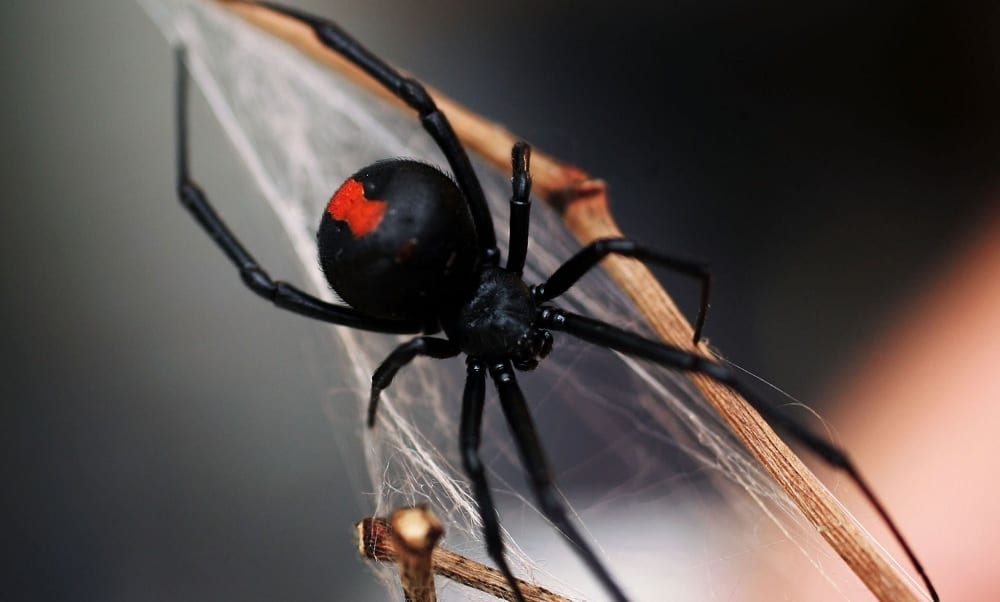
The black widow is a captivating creature, renowned for its shiny black coloration and the iconic red hourglass mark. This pattern is not merely decorative; it serves as a warning signal to predators about its toxicity. The body of the black widow is spherical, an adaptation that may help conserve heat and water in hostile environments. The combination of its compact size and long legs is perfect for weaving intricate webs that capture prey.
In terms of reproduction, the black widow exhibits intriguing behavior. After mating, the female often consumes the male, a phenomenon that has puzzled biologists for decades. This practice may seem extreme, but it can provide vital nutrients for the female, increasing the survival of her offspring. The eggs are deposited in a sac that can contain up to 400 eggs, ensuring that some survive in competitive environments.
The dietary habits of the black widow are equally notable. Its diet is predominantly carnivorous, consisting of small insects that become trapped in its sticky webs. After capturing a prey, the black widow injects venom that dissolves the tissues before feeding. This efficient feeding method ensures that it utilizes every available resource in its environment. The adaptations of the black widow not only make it a cunning predator but also a fascinating study of nature.
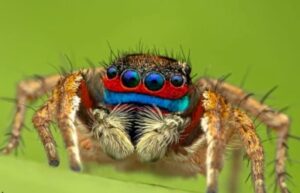
For more on the survival strategies of various species, including other arachnids, see Jumping Spider.
Habitat and Distribution
Black widows, notorious for their distinctive appearance, inhabit a variety of natural environments. They are most common in temperate regions, with a particular prevalence in open and dry areas. Heat is a vital ally, favoring their activity and reproduction. Forests, meadows, and roadside areas are their preferred homes. These environments provide shelter and feeding opportunities, essential for the survival of black widows.
The presence of hiding spots such as burrows, decaying logs, and dense vegetation is crucial. These locations not only protect the spiders from predators but also serve as sites for capturing prey. Moderate humidity is also an important factor, as black widows benefit from environments that are not excessively dry.
The behavior of black widows adapts to climatic and seasonal variations. During the summer, they become more active, seeking mating and feeding opportunities. Winter brings survival challenges, leading them to hide in protected locations where the cold is less intense.
These spiders are primarily found in regions of North America, but their distribution extends to South America and parts of Europe. Urbanization and climate change affect their habitats, creating a dynamic scenario for their survival.
The need to preserve their natural habitats is emerging, as environmental destruction compromises the existence of black widows. Conservation of the places where these creatures thrive is essential for ecological balance. For a better understanding of these ecosystems and their wonders, check out the beauty of ecosystems that host diverse species.
Behavior and Cannibalism
The fascinating behavior of the black widow reveals intriguing aspects of its biology, especially related to sexual cannibalism. Females of this species, recognizable by their black bodies and red spots, often consume the males after mating. This phenomenon is not merely a matter of survival but a complex evolutionary strategy. By devouring the males, females obtain valuable nutrients that can help them produce healthier eggs. This practice increases the likelihood of their offspring surviving in a challenging environment.
Males, on the other hand, exhibit adaptive courtship behavior. They try to avoid cannibalization by approaching the female cautiously. Some display elaborate dances and offer gifts as a way to ensure the opportunity to mate. However, even the most astute males are not entirely safe from this practice. The probability of cannibalism is an intrinsic part of their reproduction. This dynamic has significant implications for black widow populations. The pressure of cannibalism can lead to intense competition among males, promoting traits that favor those who can mate and reproduce before becoming prey. This reproductive system, although cruel, maintains the health of populations, ensuring the transmission of vigorous genes.
To better understand the impact of interactions between females and males in a broader context, check out the interesting account of the behavior of another spider, the jumping spider, which also demonstrates remarkable survival strategies.
Interaction with Humans
The interaction between black widows and humans is marked by a series of myths and fears. These spiders, known for their striking appearance and shy behavior, often evoke aversion. The reputation of their bite, considered one of the most venomous among spiders, adds to the fear that many feel towards them. However, the reality is a bit more complex. Black widow bites are not a common occurrence. Most bites happen when the spider is disturbed or provoked, usually during everyday activities in areas where they reside.
The venom of the black widow contains neurotoxins that affect the nervous system. If untreated, their bites can cause intense pain, muscle spasms, and, in extreme cases, serious complications. However, the mortality associated with bites is extremely low, especially with the availability of appropriate treatments. Often, the panic generated by the black widow myth can lead to disproportionate reactions, causing people to harm the spider in self-defense. It is essential to understand that black widows play a vital role in the ecosystem by controlling populations of unwanted insects.
Promoting education about these spiders is fundamental. When humans truly understand the behavior of black widows, they can live in harmony with them. Thus, instead of being creatures to be feared, black widows can be seen as natural wonders. For more information on the interactions between humans and spiders, you can visit this article on the fascinating world of spiders.
Conservation and Myths
The black widow, with its vibrant colors and peculiar behavior, often evokes fear and attraction. These feelings have direct consequences for conservation efforts. Common myths, such as the idea that its venom is lethal to humans, are not only exaggerated but also make the species a target for eradication in many places. Conservation programs aim to demystify these beliefs and promote understanding. Educational institutions and research groups work to present the true nature of the black widow. Educators emphasize that while its venom can be dangerous, attacks on humans are extremely rare. This information is crucial for reducing fear and promoting harmonious coexistence.
Moreover, habitat preservation is fundamental. Black widows play a significant ecological role by controlling insect populations. However, the destruction of their natural habitats persists. It is vital that conservation efforts include strengthening the areas where these spiders live. This involves protecting forests and pastures, which are essential for their survival. Local communities are also integrated into these programs, being encouraged to respect and protect the fauna around them. Thus, actions that contribute to the conservation of the black widow and other species help combat biodiversity loss. The exchange of local knowledge with scientific insights creates a space where nature is admired and not feared. For more information on species conservation and the fight against misinformation, see this article on incredible arachnids.
Conclusions…
The black widow is one of the most emblematic spiders in the world, with a fascinating behavior that breathes life and mortality. Its habitat and adaptations are essential for its survival. Understanding its peculiarities can help us demystify and better appreciate these intriguing creatures of nature.
Did you know?
What is the reproductive behavior of the black widow? The black widow is known for its sexual cannibalism behavior, where the female devours the male after mating, possibly an act that maximizes its chances of survival and nutrition.
Is the black widow dangerous to humans? Yes, the black widow has a potent venom capable of causing serious health issues in humans, although attacks are rare and most bites do not result in death due to appropriate treatment.
Where do black widows usually live? These spiders typically inhabit dark places, such as crevices, woodpiles, and areas around buildings, especially in warmer regions of America.
How to recognize a black widow? The black widow is easily recognizable by its shiny black body and the red hourglass mark on the underside of its abdomen.
What are some myths about the black widow? There are many myths, such as the idea that the black widow is extremely aggressive or that all females devour their partners. These generalizations often overlook the complexity of these spiders’ behavior.