Funnel-Web Spider: The Fearsome Weaver of Australia
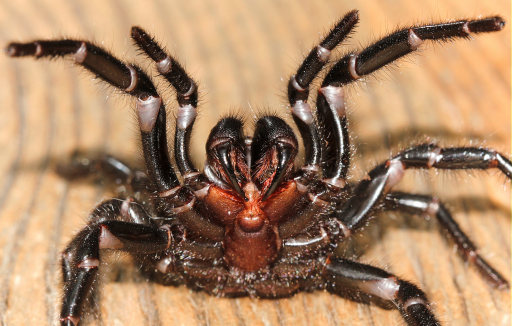
The Funnel-Web Spider, native to Australia, is a master weaver and a formidable predator. With its powerful venom, this species represents one of the greatest dangers among arachnids, attracting both curiosity and fear from those who encounter it. Let’s explore its characteristics, habitat, and the impressive complexity that surrounds its life.
The Realm of the Funnel-Web Spider
In the mysterious corners of Australia, the Funnel-Web Spider finds its home. These spiders are masters of camouflage, hiding in burrows or under rocks. They have a robust body and long legs, allowing for agile and stealthy movements. Their color ranges from brown to black, helping them blend into their environment. Their preferred habitat is moist woodlands, where dense vegetation aids in hunting. Fascinatingly, they create funnel-shaped tunnels that can measure up to 30 centimeters deep. This ingenious structure protects them from predators and facilitates the capture of unsuspecting prey.
These spiders are not only skilled hunters but also exhibit intriguing behavior. They demonstrate exceptional ability in building their webs. While engaging in sweetly aggressive copulation with the air, they patiently position themselves at the bottom of the funnel, ready to attack any insect that approaches. This ambush method is highly effective, ensuring a rich and varied diet.
As true artists, they use silk threads not only to construct their traps but also to insulate their shelters and nests. This adaptation not only protects them from the elements but also provides safety during the reproductive period. The Funnel-Web Spider is a marvel of nature, shaped by a habitat that demands ingenuity and patience.
To learn more about the incredible and fascinating environments where spiders live, you can check out this article on the Jumping Spider.
Deadly Venom and Its Consequences
The Funnel-Web Spider is famous not only for its intriguing forms but also for its potent venom. This venom is a complex cocktail of toxins that affects the nervous system. The neurotoxins present are especially dangerous, as they can cause muscular paralysis in their prey. Upon contact, the venom begins to act quickly, disrupting the transmission of nerve signals. When it comes to humans, the effects of a bite can be devastating. Initial symptoms include intense pain, sweating, and possible respiratory difficulties. If untreated, it can lead to more serious complications and even death. Children and individuals with compromised immune systems are at even greater risk. Therefore, understanding the risks associated with the Funnel-Web Spider is crucial for both public safety and conservation.
Other animals can also be affected. Small mammals and birds, for example, are often victims of its predatory skills. However, some creatures, like certain reptiles, have developed resistance to the venom. This ability is a testament to evolution, where predator-prey interactions shape wildlife. Understanding the composition of the venom and its effects is essential in medicine. The antivenom developed to neutralize the effects of the Funnel-Web Spider’s venom can save lives. Scientific investigations are constantly evolving, aiming to create more effective treatments. Each discovery is not only a medical advancement but also a reminder of the wonder and danger of the creatures that inhabit our world. To learn more about the interactions between predators and their prey, check out this fascinating article.
Hunting Behavior and Feeding
The Funnel-Web Spider, recognized for its characteristic web shape, adopts ingenious hunting techniques. In its habitat, this spider builds a funnel-shaped web, usually in rock crevices or dense vegetation. This web, made of extremely strong and sticky threads, acts as a carefully planned trap. When a prey touches the threads, the spider is immediately triggered. It is akin to an excellent hunter, using the camouflage of its web to blend into the environment. Often, the spider remains in a nearby hiding spot, reinforced by the shape of its web. Upon detecting the movement of prey, such as an unsuspecting insect or a small spider, it swiftly lunges to make the capture. After the attack, the Funnel-Web Spider wraps its prey in silk threads. This silk contains potent venom, known for quickly paralyzing victims. The spider not only breaks the resistance of its prey but also facilitates the ingestion of bodily fluids. Indeed, the use of silk is sublime in its effectiveness. This spider, with agile movements, ensnares anyone who falls into the clutches of its web. The hunting techniques of the Funnel-Web Spider are an impressive example of adaptation in nature. By using the combination of its environment, its web, and its skills, it manages to remain a skilled predator. To explore more about the fascinating world of arachnids, check out the incredible behaviors of spiders.
Interaction with Humans
The Funnel-Web Spider, with its enigmatic behavior, is often found in urban and suburban areas of Australia. Accidental events can result in interactions between humans and these fascinating arachnids. In many cases, the spider feels threatened when human space invades its natural habitat. The location of their webs, usually in crevices and holes, makes these encounters even more common. It is crucial to remember that these spiders do not attack unless they feel provoked. Therefore, it is essential to remain calm in the event of an unexpected encounter. Slowly and carefully retreating from the area may be the best approach. In situations where the spider becomes a direct threat, experts recommend seeking professional help rather than attempting to capture it. The first step to minimizing unwanted encounters is to keep outdoor areas clean and free of debris. Additionally, sealing holes and cracks in the home can help reduce the likelihood of these spiders entering the domestic environment. It is advisable to teach children about the importance of respecting these living beings, avoiding direct interaction. Adopting a stance of observation rather than combat can create a safer environment for all. Recognizing the ecological contribution of the Funnel-Web Spider helps promote peaceful coexistence. Learning to live with the spider is fundamental. For more information about the interesting life of spiders, read about the Jumping Spider, one of the most intriguing arachnids in the world.
Conservation and Human Impact
The Funnel-Web Spider, with its fascinating behavior and ingenious webs, plays a crucial role in the Australian ecosystem. As a predator, it controls insect populations, helping to maintain natural balance. However, urbanization presents immense challenges for these incredible weavers. As cities expand, their natural habitats are destroyed. The noise of machinery and artificial lights disrupt their environment, reducing hunting opportunities.
The human impact, however, is not limited to physical destruction. The negative perception of spiders leads to fear and, in many cases, their elimination. Many people do not understand the importance of these creatures and see them only as threats. This results in a drastic reduction of local populations, affecting ecological dynamics.
It is vital, therefore, to promote a change in collective mindset. Humans can aid in the conservation of the Funnel-Web Spider through educational initiatives. Many organizations work to raise awareness about the importance of spiders. Creating programs that value biodiversity and the protection of natural habitats is essential.
Moreover, individuals can make a difference. Protecting gardens and green spaces, planting native vegetation, and avoiding excessive pesticide use are simple actions that benefit spiders. Promoting sustainable practices and respecting nature is fundamental to ensuring that future generations can admire the beauty and complexity of these arachnids. To learn more about other fascinating creatures, check out the Jumping Spider, which also illustrates the importance of arachnid conservation.
Conclusions…
The Funnel-Web Spider, with its lethal venom and ingenious webs, plays a crucial role in the Australian ecosystem. Understanding the complexity of this species helps us respect and value the biodiversity that surrounds us, avoiding unfounded fears while recognizing its impact on the environment.
Did You Know?
What is the distribution of the Funnel-Web Spider?
The Funnel-Web Spider is primarily found in Australia, inhabiting areas such as forests, gardens, and open fields, and is most common in warm climates.
What are the symptoms of a Funnel-Web Spider bite?
Symptoms include intense pain, sweating, nervousness, and in severe cases, respiratory difficulties. Immediate medical assistance is vital.
How can one prevent Funnel-Web Spider bites?
Some practices include avoiding areas where these spiders dwell, wearing closed shoes when walking in outdoor areas, and keeping spaces clean and organized.
What are the differences between the Funnel-Web Spider and other spiders?
Unlike many spiders, the Funnel-Web Spider builds funnel-shaped webs, has highly toxic venom, and is known for its aggressiveness when threatened.
What is the importance of the Funnel-Web Spider in the ecosystem?
This spider controls insect populations, helping to maintain ecological balance. Its role as a predator is essential for the health of natural ecosystems.