Armadillo
Dive into the fascinating world of the armadillo, one of the most intriguing mammals in Brazil. Known for its unique ability to curl up completely, this animal has distinctive characteristics that make it a true symbol of Brazilian wildlife. Explore its peculiarities, habitat, and dietary habits in this captivating article.
Physical Characteristics
The harpy eagle is one of the most majestic birds of prey on the planet, standing out for its imposing presence and formidable size. With a wingspan that can reach an impressive two meters, harpies are true queens of the sky in tropical forests. This extraordinary bird has predominantly gray and white plumage, featuring a crown of black feathers that rises when it is alert. The tail feathers are striped in black and white, contributing to camouflage among the shadows of dense trees.
The claws of the harpy eagle are exceptionally powerful, a lethal adaptation for capturing large prey in its habitat. The claws are larger than those of grizzly bears, reaching up to 13 centimeters in length, which gives them an incredible gripping ability. Its sharp eyes, capable of detecting movement from great distances, allow it to be an efficient hunter, even in dense forests.
The difference between males and females is also notable. Females are significantly larger, weighing between 7 and 9 kilograms, while males average between 4 and 5 kilograms. This size difference is an evolutionary adaptation, allowing females to hunt larger prey, such as monkeys and sloths, while males specialize in smaller captures. The extraordinary variety of birds in the tropical forest includes potential prey, making harpies formidable predators. Their curved and strong beak complements their perfect design, capable of tearing flesh and aiding in the descent while devouring their captures. It is in the combination of these physical attributes that the harpy solidifies its status as the largest predatory eagle in the Americas.
Behavior and Habitat
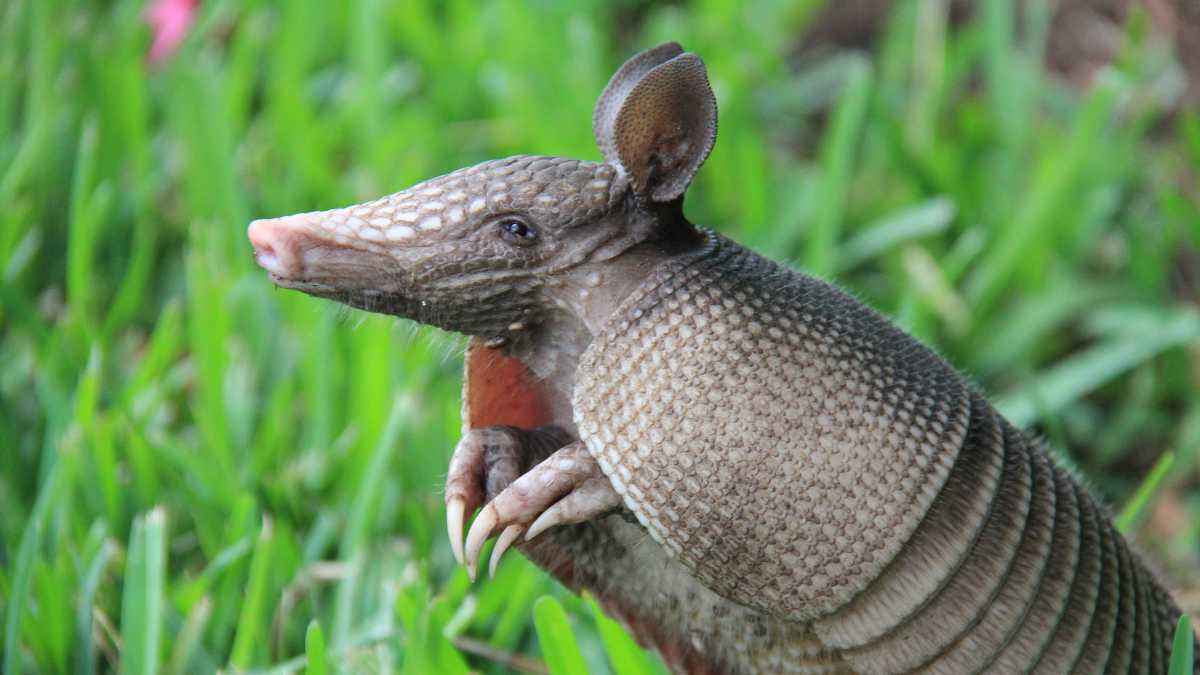
Amid the arid and semi-arid landscapes of Brazil, the armadillo finds its natural refuge. This small mammal prefers the savannas of the cerrado, where vegetation is sparse, providing cover and access to food. Despite its habitat appearing desolate, the armadillo is a specialist in adaptability. Instead of digging large burrows, it takes advantage of natural shelters, such as holes and fallen logs. The social behavior of the armadillo is, in essence, solitary. They are rarely seen in groups, except during the mating season. Its discreet life is marked by an incredible defense instinct. At the slightest sign of danger, it employs one of the most notable natural defenses in the animal kingdom: it curls tightly into its protective shell, becoming an almost impenetrable sphere. This defensive strategy is effective against many of the region’s natural predators, which include coyotes and birds of prey.
In terms of interaction with its habitat, the armadillo is not just a survivor. It is essential for the ecosystem, helping in seed dispersion by feeding on plants and small insects. Its presence indicates a healthy environment, a delicate balance between native fauna and flora. Even as the world around it changes, the armadillo continues to illustrate resilience and ingenuity. In fact, its interaction with the habitat is a silent testament to the beauty and complexity of Brazilian wildlife, where each species has a crucial role to play.
Feeding and Diet
The armadillo, a fascinating and adaptable creature, has a peculiar diet. Primarily insectivorous, it feeds on ants and termites, which make up the majority of its diet. In vast fields and forests, it roams with its keen sense of smell, searching for hidden colonies of these small invertebrates.
When it finds an ant or termite nest, the armadillo displays its digging skills. With its powerful claws, it efficiently unearths its prey, devouring them with a long tongue covered in viscous saliva to aid in capturing the insects. This specialized adaptation allows it to access the deep tunnels of the colonies.
It has fascinating adaptations for its diet, such as a digestive tract that can handle chitin, the tough component that forms the exoskeleton of many insects. The effective digestion of these invertebrates is an example of how the armadillo has evolved to maximize its available resources.
However, its diet is not limited to ants and termites. In times of scarcity, it can supplement its diet with other resources, such as small rodents, fallen fruits, and even plant materials. This ability to diversify its food sources is crucial for its survival in varied habitats.
This feeding behavior is an essential piece of its ecological role. By consuming termites, which are important decomposers, the armadillo helps regulate insect populations, maintaining the balance of the ecosystem. Discover more about the interaction between armadillos and other species here.
Relationship with the Ecosystem
At the heart of South American biodiversity, the armadillo plays a vital role. It is not just a creature of visual charm but also an ecological engineer. Its presence in an ecosystem can mean the difference between vibrant diversity and gradual decline. Armadillos are known for their ability to dig, turning over soil and contributing to its aeration. This natural process improves soil quality, promoting a healthier environment for plants and other organisms. In their quest for food, they consume insects and other small invertebrates, helping to control the populations of these species. In addition to their digging abilities, armadillos are an important part of the diet of predators such as jaguars and some birds of prey. Their presence is instrumental in maintaining the food chain, providing essential nutrients for species higher up in the predatory hierarchy. These symbiotic interactions ensure that the armadillo not only survives but thrives, reaffirming its role not just as a resident but as a *guardian* of the ecosystem. Armadillos share their habitats with species such as the bat, whose role in pollination and seed dispersion complements the activities of the armadillos. Together, they sustain the local flora, which in turn directly influences the fauna of the region. This interconnection of living beings and ecological functions underscores the importance of each species in the delicate balance of nature. The preservation of the armadillo is not just a matter of wildlife protection but also of maintaining a healthy and functional ecosystem.
Conservation and Threats
The armadillo, known for its incredible ability to transform into a defensive sphere, faces serious threats to its survival. Habitat loss is perhaps the most insidious of these threats. The dry forests and savannas, home to this remarkable animal, are gradually being converted into agricultural land and urban developments.
With less space to live and feed, the future of the armadillo becomes precarious. Hunting, unfortunately, is another determining factor. Although illegal in many countries, capture for the pet trade and for meat still occurs.
To mitigate these challenges, conservation initiatives must be urgently implemented. First, protecting the natural habitat areas of the armadillo is crucial. Establishing nature reserves and implementing wildlife corridors can greatly aid in preserving this species’ vital space.
Education is a powerful tool. Promoting awareness among local communities can reduce hunting and increase support for conservation. Encouraging responsible ecotourism can also provide an economic alternative to situations that would otherwise lead to exploitation.
Effective government policies are indispensable. Continuous monitoring and strict enforcement of laws protecting the armadillo can deter illegal activities. Additionally, encouraging scientific research focused on its habits and ecosystems can provide valuable information for its preservation. The armadillo is not the only one facing such challenges. The rhinoceros also encounters similar threats, sharing a constant struggle against habitat loss and hunting. With deliberate and collaborative actions, it is still possible to reverse the trajectory of this fascinating animal toward a sustainable future.
Conclusions…
The armadillo is more than just a simple mammal; it is a wonder of nature. Its ability to curl up makes it an icon of adaptation and protection. By understanding its characteristics and habitat, we can contribute to the preservation of this charming species and the biodiversity of Brazil.
Did you know?
Why is it called armadillo? The name armadillo comes from its unique characteristic of curling into a ball when it feels threatened, formed by its bony plates.
Where does the armadillo live in Brazil? The armadillo is primarily found in the fields and forests of Brazil, especially in the cerrado and caatinga regions.
What is an armadillo called in the northeast? In the northeast, the armadillo is commonly known as ‘armadillo’ or simply ‘tatu’. In some places, it is called ‘tatu-peba’.
What does the armadillo eat? The armadillo feeds on insects, larvae, and roots, using its snout to dig in the ground in search of food.
How long does an armadillo live? On average, an armadillo can live between 7 to 10 years in the wild, although in captivity it may live a bit longer.