The Bloodhound: The Master of Canine Scent
The Bloodhound is a remarkable dog breed, known for its unparalleled sense of smell and friendly nature. This article delves into the characteristics of this breed, its fascinating history, its role in search and rescue, and the special care needs they require. Let’s explore the essence of the Bloodhound and what makes it so extraordinary.
The Origin of the Bloodhound
The history of the Bloodhound is as fascinating as its remarkable abilities. This hunting dog has roots that date back to the 7th century in Belgium, where Benedictine monks cultivated it. The monks sought a dog that could assist in hunting while demonstrating unwavering loyalty. At that time, they were known as ‘St. Hubert Hounds’. The name originates from St. Hubertus, the patron saint of hunters, who witnessed significant transformations in the lives of these dogs.
Over the centuries, the breed traveled from Europe to England, where it flourished. By the 14th century, nobles began to appreciate the Bloodhound not only for its hunting skills but also for its precision in tracking humans. This was essential for law enforcement, where bodies and fugitives were often tracked by these extraordinary dogs. This evolution placed the Bloodhound in a special place in police history.
By the 19th century, the breed was officially recognized. The Bloodhound’s olfactory ability is legendary; its nose contains approximately 300 million olfactory receptors, making it one of the best tracking dogs. It has become a true hero in searches for missing persons, proving to be an indispensable ally for society.
The loyalty and natural instinct to follow a human scent make the Bloodhound a remarkable example of the connection between man and animal. This relationship is deeply intertwined with the breed’s history, solidifying it as one of the champions in tracking within the canine kingdom. For more information on the importance of dogs in emergency situations, visit this link.
Physical and Behavioral Characteristics
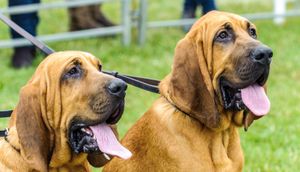
The Bloodhound is a large breed, with a sculpted body that exhibits strength and endurance. Males typically weigh between 40 to 50 kg, while females weigh between 30 to 40 kg. Their height ranges from 58 to 69 cm at the withers. The distinctive appearance is marked by large, drooping ears and a face full of folds, adding charm to its features.
The Bloodhound’s coat is short and dense, coming in a variety of colors ranging from black and brown to red. This coat is not just decorative; it also serves a purpose. The fur protects the skin and helps regulate temperature. The presence of wrinkles around the face is one of the most recognizable traits and, besides being related to aesthetics, helps channel sweat and moisture, keeping the dog cool while working.
The Bloodhound’s temperament is generally gentle and sociable. They are known for being affectionate and loyal, forming deep bonds with their families. Their friendly nature makes them great companions, especially in homes with children. Despite their reputation as search and rescue dogs, their disposition is calm and often playful.
This dog stands out for its sociability, often getting along well with other animals and people. However, their innate curiosity can lead them to sniff everything around them. To learn more about animal interactions, you can check out elephants, whose social behaviors are equally fascinating.
Unmatched Olfactory Ability
The Bloodhound is known for its exceptional olfactory capacity. This dog has a nose that contains up to 300 million olfactory receptors. In comparison, humans have only about six million. This colossal difference explains how the Bloodhound can track scents with astonishing precision.
The functioning of its sense of smell is fascinating. When the Bloodhound inhales a scent, volatile particles bind to olfactory cells that send signals to the brain. This allows the dog to identify a multitude of aromas, including those that have been present in the environment for several days or even weeks.
When it comes to search and rescue, the Bloodhound’s talent shines. For example, in missing person situations, it can follow a person’s trail from a personal item, such as a piece of clothing. Once the dog begins its search, its instincts lead it to follow the most recent path of the odor.
Moreover, the Bloodhound is notoriously resilient, often continuing the search in challenging terrains. Compared to other breeds, the Bloodhound is unmatched in long-distance tracking. Other breeds, like the German Shepherd, have skills in various areas, but they do not match the Bloodhound in olfactory specialization.
Success stories involving these dogs are inspiring. They not only help locate missing persons but are also used in criminal investigations. These dogs, with their magnificent talent, become true heroes in search and rescue operations. For more examples of animal tracking abilities, see the fascinating account of the rhinoceros, one of the creatures that also possesses a keen sense of smell.
Care and Special Needs
The Bloodhound, with its keen sense of smell and distinctive appearance, requires special care to maintain its health and happiness. One of the most important aspects is physical activity. These dogs need daily exercise. Long walks, runs, and playtime are essential. They love to explore, so allowing a Bloodhound to walk in safe areas is beneficial.
Nutrition is another crucial factor in caring for a Bloodhound. Providing a balanced and nutritious diet helps maintain its ideal weight and overall health. It is advisable to divide their meals into two or three servings a day, preventing them from overeating or eating too quickly, which can lead to digestive issues.
Additionally, hygiene should not be neglected. The Bloodhound, with its long, drooping ears, is susceptible to infections. Regularly cleaning the ears is essential. Baths should be administered occasionally, as excessive bathing can remove natural oils from the skin. Nails should be trimmed to avoid discomfort while walking. Bloodhounds are also prone to certain health conditions, such as hip dysplasia and eye problems. Regular veterinary check-ups are fundamental. Vaccinations and preventive care help avoid more serious issues. Maintain a healthy environment for the Bloodhound. Providing a safe and cozy space contributes to its mental well-being. For more information on animal health care, you can read about these wonderful elephants, which also require special attention to their needs.
The Bloodhound as a Companion
The Bloodhound, with its penetrating gaze and keen sense of smell, stands out not only as a working dog but also as an extraordinary companion. Its gentle and affectionate nature makes it an excellent addition to any home.
These dogs have an innate ability to form deep bonds with humans. They are known for being loyal and protective, creating ties that transcend mere coexistence. In a domestic environment, the presence of a Bloodhound is almost magical. Their unconditional love and loyalty make families feel safe and happy.
Besides interactions with humans, Bloodhounds have a unique way of relating to other animals. Their friendly nature makes them sociable, allowing for harmonious coexistence with other breeds. They tend to be patient, which helps ease potential tensions during playtime.
The Bloodhound’s curious instinct leads it to explore the world around it. This curiosity, combined with its incredible sense of smell, results in fascinating adventures in search of scents. Every walk turns into an expedition, where scents become narratives to be discovered.
With its eagerness to please and gentle demeanor, the Bloodhound provides its owner with constant joy and companionship. Interacting with this breed enriches daily life, bringing great happiness and creating unforgettable memories. If you want to learn more about the fascinating quirks of other animals that interact in different ways with humans, just like Bloodhounds, check out this article about elephants.
Conclusions…
The Bloodhound is not just a search dog but a true treasure of nature. Its olfactory ability makes it indispensable in many situations. With a gentle and loyal character, it also stands out as an excellent companion. Understanding their needs allows us to appreciate this exceptional breed of dogs even more.
Did You Know?
What is the origin of the Bloodhound?
The Bloodhound has roots in Europe, known for its ability to track and locate people. Its history dates back centuries, especially in Belgium and France.
Why does the Bloodhound have such a keen sense of smell?
The Bloodhound has up to 300 million olfactory cells, allowing it to follow human scent over long distances and recognize specific aromas with precision.
What are the care needs of a Bloodhound?
Bloodhounds need regular exercise, a balanced diet, dental care, and special attention to their ears and skin to prevent infections.
Is the Bloodhound a good pet?
Yes, the Bloodhound is known for being loyal and affectionate, making it an excellent companion for families and individuals, provided it receives adequate attention and socialization.
What is the temperament of the Bloodhound?
The Bloodhound is generally friendly, curious, and patient. They are known for their calm nature but can be stubborn, requiring consistent training.