Wandering Spider: A Fearsome Predator of the Forests
The wandering spider is one of the most fascinating arachnids, both feared and admired. Its hunting skills, aggressive behavior, and imposing appearance spark interest and dread. This article will explore its characteristics, habitat, attack behavior, and impact on humans and the ecosystem.
Characteristics of the Wandering Spider
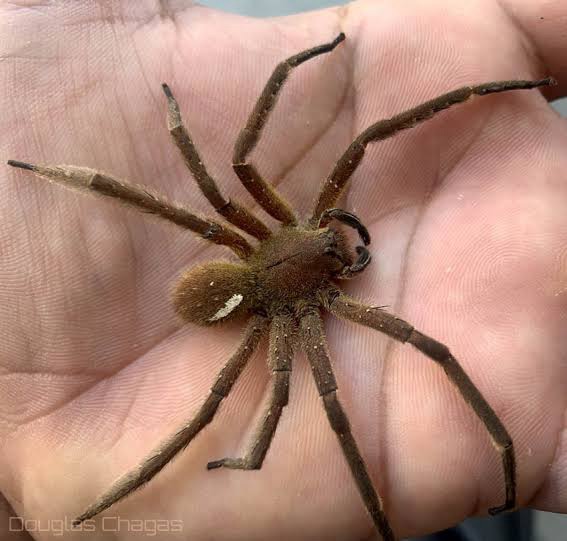
The wandering spider, scientifically known as Phoneutria, is a true marvel of nature. Its body can reach up to 15 centimeters in length, making it one of the largest spiders in the world. Its imposing appearance is accentuated by its long, robust legs, which can measure up to 20 centimeters from tip to tip. The morphology of this spider is clearly adapted for hunting. Its long, agile legs provide great mobility, allowing it to skillfully glide across the forest floor in search of prey. These limbs are covered in sensory hairs that help detect vibrations, an essential resource for such a cunning predator.
The coloration of the wandering spider varies from brown to green, allowing it to camouflage with its surroundings, especially in areas of dense foliage. This color pattern, along with the irregular texture of its body, provides effective camouflage. Some variations even display distinctive markings that are unique, like fingerprints. Besides its external appearance, its fangs, which are extremely developed, are equally stunning. These fangs are designed not only to inject venom into its prey but also to help immobilize them quickly. The wandering spider uses its potent venom, which distinguishes it from many other arachnids.
The behavior of this spider is equally remarkable. Instead of weaving complex webs, the wandering spider is an active hunter that relies on its speed and agility. This predatory behavior is a testament to its physical adaptations, making it one of the most feared predators of the forests. For other fascinating examples of adaptations in nature, consider the jumping spider, which also possesses unique characteristics for hunting.
Habitat and Distribution
The wandering spider, with its threatening appearance and bold behavior, makes tropical and subtropical forests its preferred home. Found mainly in South America, its populations extend across countries like Brazil, Venezuela, and Colombia. Wandering spiders thrive in humid environments, where air moisture and the presence of dense vegetation provide ample shelter and food. These fascinating creatures prefer hiding spots that protect them, becoming skilled at camouflaging among leaves, trunks, and even in holes in the ground.
They often occupy locations near bodies of water, such as rivers and ponds, where they can easily capture their prey. In these vibrant ecosystems, the wandering spider takes advantage of the diversity of insects that inhabit the humid regions, broadening its hunting opportunities. The environments that most favor their presence are areas with low levels of human disturbance, where vegetation remains untouched.
Besides forests, these spiders can be found in orchards and plantations that mimic the structure of their natural habitat. However, agricultural expansion and urbanization threaten their populations, forcing them to adapt to new environments. The wandering spider is not restricted to a single biome; it spreads across various regions, making the most of the microhabitats that nature has to offer. For a deeper look at how natural habitats impact species, you can visit Tucano: The Bird That Charms with Its Beauty, where tropical ecosystems and their fascinating interactions are explored.
Hunting and Attack Behavior
The wandering spider, with its impressive and agile posture, is a formidable hunter. In its natural habitat, the tropical forests, its cunning and aggressiveness make it a fearsome predator. This arachnid stands out not only for its capture ability but also for the effectiveness of its attack. Its hunting technique involves a delicate balance between patience and explosive movement. The spider waits silently in a well-camouflaged corner, observing its surroundings. When a prey, such as a small insect, approaches, it attacks with impressive speed. In a fraction of a second, its speed and strength are evident. With its front legs, it captures the prey, often before it realizes it is in danger.
When feeling threatened, the wandering spider adopts defensive postures that reveal its assertive nature. With its body raised and legs extended, it prepares to attack, displaying an imposing form. This display is often enough to discourage potential predators. However, if the threat persists, the spider launches into an attack, using its powerful jaws, which inject venom in an instant.
Its aggressiveness is part of what makes it so feared, but also fascinating. The venom, while dangerous, is a vital tool for capturing and digesting its prey. The interactions of the wandering spider in its natural environment reveal a sophisticated predator, dominating the ecosystem in which it lives. For more information on the complexity of interactions in nature, see Jumping Spider: The Smartest Arachnid.
Interaction with Humans
The wandering spider is often seen as a symbol of danger in Brazilian forests. Its presence can trigger fear reactions among humans. Bites have their effects, causing severe pain, swelling, and, in more serious cases, complications. Although the number of bites is low compared to the human population, incidents often generate alarm. A bite from a wandering spider can be lethal, especially for children and individuals with pre-existing health issues.
Wandering spiders prefer isolated habitats, often finding shelter in urban areas. It is common for them to enter homes in search of warmth and shelter. Understanding their habits can help minimize contact. People can take precautions during outdoor activities, such as wearing long pants and closed shoes. Simple care, like keeping the house clean and free of clutter, can prevent unwanted encounters.
When encountering a wandering spider inside the house, it is recommended not to try to catch or kill it, as this may provoke an attack. Instead, the ideal is to use a cup and a piece of paper to safely capture it and release it outside. Being informed about how to act in case of a bite is equally essential. Seek medical attention promptly whenever necessary. Such incidents should be taken seriously, but education and the right precautions can minimize risks. For more information on interactions between humans and animals, refer to this article on spiders in nature.
The Role in the Ecosystem
The wandering spider, with its great hunting ability, plays a vital role in its ecosystem. This agile arachnid not only feeds on insects but is also a crucial part of the food chain. Its presence indicates a healthy environment, teeming with life. Wandering spiders can consume a variety of prey, including flies, crickets, and even small vertebrates. By keeping insect populations under control, they help prevent pest outbreaks that can devastate crops and disrupt local ecosystems.
The uniqueness of the wandering spider also lies in its adaptation to the different habitats it inhabits. It is a remarkable predator, using its speed and potent venom to capture its prey. Naturally, this pest control is beneficial for humans, as it reduces the need for pesticide use. The preservation of these arachnids is therefore necessary to maintain ecological balance.
Unfortunately, the destruction of natural habitats and pollution threaten the survival of wandering spiders. Increasingly, forests are being deforested and ecosystems altered, leading to a decline in populations of various species. Awareness of the importance of these spiders is crucial for their protection. Preservation initiatives are needed to safeguard not only the wandering spider but the entire ecosystem to which it belongs. The health of forests depends on the presence of these and other predators that perform essential functions. To understand more about the fascinating nature of arachnids, visit this link.
Conclusions…
The wandering spider plays an important role in the ecosystem by controlling insect populations and interacting with other organisms. Understanding its nature helps demystify fears and foster a more respectful coexistence with wildlife.
Did You Know?
What is the habitat of the wandering spider?
The wandering spider is primarily found in tropical forests and areas of dense vegetation, where it can hunt and hide easily.
What is the hunting behavior of the wandering spider?
It is known for its aggressive behavior, attacking when it feels threatened. Its raised front legs are a warning sign.
Is the wandering spider dangerous to humans?
Yes, the venom of the wandering spider can be harmful, but attacks on humans are rare and mainly occur in confrontation situations.
How does the wandering spider contribute to the ecosystem?
It helps control the insect population, maintaining ecological balance and serving as food for other species.
What myths surround the wandering spider?
Myths include the idea that its bites are always fatal, which is not true. Education is crucial to combat this misinformation.