Glass Frogs: The Enigmas of Transparency
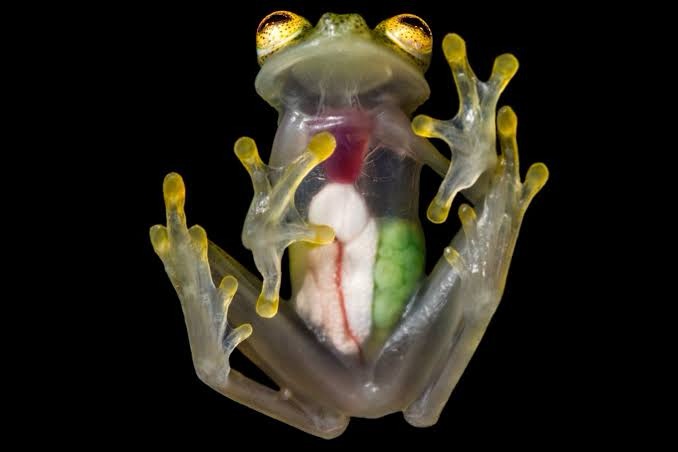
Glass frogs, belonging to the family Centrolenidae, exhibit a fascinating ability for mimicry. Their translucent skin not only camouflages them but also reveals their internal muscles, creating a natural spectacle of unique beauty. This article explores the life, habitat, and importance of these small amphibians in biodiversity.
The Incredible Adaptation of Glass Frogs
Glass frogs, masters of camouflage, possess remarkably translucent skin. This transparency is not merely aesthetic; it is an ingenious adaptation for survival in dense tropical forests. Imagine traversing a forest filled with predators without being noticed. It is this unique ability that glass frogs abundantly showcase.
The translucent skin is not just beautiful; it is miraculous. It allows them to remain virtually invisible against lush green leaves. Gently perched on leaves, they become one with their environment. This mimicry with their surroundings protects them from cunning predators lurking in the air and on the ground.
In addition to their incredibly transparent skin, these frogs have fascinating traits. The exposed belly reveals internal organs like a captivating spectacle of biology. This exposure is part of their charm, highlighting their incredible evolutionary development. Yet, despite this apparent vulnerability, they thrive.
Glass frogs have adapted their colors as needed. These adaptations are not limited to camouflage but include patterns and shades that vary according to habitat. Like a chameleon, the ability to ‘blend in’ aids in survival and the daily struggle for life.
In exploring the complexity of these amphibians, we find a clear example of how nature employs innovation to tackle unique challenges. Tropical forests, with their unparalleled biodiversity, serve as true testing grounds for evolution. Glass frogs are a poignant reminder of nature’s adaptive potential. Interested in more examples of incredible adaptation? Check out the article on the dilemma between the whale and the dolphin to understand how other species have adapted to their unique environments.
The Fragile Habitat of Glass Frogs
Amidst the silence and humidity of the American tropical forests resides the enigmatic glass frog. Their homes are the treetops and the crystal-clear streams that wind through the woods. These lush habitats, while rich in biodiversity, are fragile and threatened by human intervention.
Glass frogs occupy a unique ecological niche. During the day, they hide under broad, damp leaves to escape predators and the intense sun. At night, feeling safer, they explore the branches in search of food, stalking small insects that fly through the darkness.
These small creatures play a crucial role in the ecosystem. By preying on insects, they help control their populations, preventing potential ecological imbalances. In return, glass frogs are a food source for a variety of predators, from birds to snakes.
The tropical forest, home to these translucent frogs, provides benefits that go beyond biodiversity. Dense tree plantations work tirelessly to sequester carbon from the atmosphere, helping to mitigate climate change. Moreover, forests like this are sources of yet undiscovered medicinal substances, harboring biological secrets crucial for our future.
However, this delicate environment faces significant threats. Deforestation, climate change, and agricultural activities are pressures that transform once vibrant landscapes into arid and inhospitable lands. To preserve the beauty and richness of the tropical forest, conservation efforts must advance, protecting not only glass frogs but the entire intricate web that maintains the health of this lush biosphere.
The presence of glass frogs reveals the vital interconnection between all forms of life in the forest. By learning about them, we gain a window into understanding how life, in all its fragility, can flourish. Discover more about how life in the forest is intrinsically linked through surprising examples like the newly discovered fungus in the Brazilian Amazon.
The Diet and Behavior of Glass Frogs
The glass frog, with its translucent skin and ethereal body, challenges predators by deceiving the human eye. Hidden in the foliage of the tropical canopy, it primarily feeds on small invertebrates, such as ants, spiders, and small crickets. Its diet is opportunistic, adapting to what is most available in its natural habitat.
At night, when the forest takes on a sound and visual spectacle, these transparent amphibians spring into action. Their hunting strategy is based on subtlety and patience. Motionless under the leaves, they wait for the movement of their prey. With an agile and precise leap, they snap up those that come within their immediate reach.
The ability to blend into the vegetation is not only a means of surprising their prey but also an essential survival strategy. The transparency of their skin exposes their viscera, a curious characteristic that instills a certain fascination in us, human observers. However, this transparency serves a vital purpose: perfect camouflage against hungry predators.
Survival in the world of glass frogs does not depend solely on their appearance but also on stealthy skills. The hostile environment demands strategy. By minimizing their movements and adapting to the dynamic scenery of the forests, they discreetly spread their populations. The strategies of these amphibians have intrigued scientists and nature lovers alike, and platypuses also evoke a similar curiosity with their complex adaptations.
These frogs have proven to be masters of adaptation, showing that even the most fragile creatures can survive in the relentless dance of the jungle.
The Reproduction of Glass Frogs
The reproduction of glass frogs is a spectacle of nature that combines complexity and fragility. During the rainy season, males sing their melodies to attract females. The symphony of these calls echoes through the forest, each trying to outshine the rivals.
Glass frogs lay their eggs on leaves over streams. The choice of these locations is not accidental. The humid environments offer protection to the eggs against desiccation, while the leaves over the water provide refuge from terrestrial predators. This behavior is not far removed from that adopted by other species inhabiting wet regions, similar to the behavior of Brazilian water birds that choose strategic locations for their nests.
Parental dedication goes beyond mere egg-laying. Males often guard the offspring, warding off small predators. Some even keep the eggs moist by urinating on them to prevent dehydration.
The survival of the eggs until they become tadpoles is critical. However, climatic fluctuations can cause dramatic changes in rainfall patterns, and these alterations severely affect the reproductive cycle. Dry periods drastically reduce the chances of egg survival. In tropical forest regions, where the climate is erratic, this poses a constant risk to the perpetuation of the species.
Understanding these dynamics is crucial, especially with climate change exacerbating environmental conditions. The reproduction of glass frogs is incredibly adapted to their environment but vulnerable to its whims. Every aspect of their reproductive behavior highlights the delicacy of the natural balance in which they live and the need to preserve this balance to ensure their future.
The Challenges of Conserving Glass Frogs
Glass frogs, with their impressive transparency, face increasingly critical conservation challenges. Deforestation and habitat loss are the most pressing threats these delicate amphibians face. As tropical forests disappear, the rivers and streams, habitats of these frogs, are affected, leading to a sharp decline in populations.
Environmental pollution, particularly water pollution, has devastating impacts. Glass frogs are extremely sensitive to changes in water quality. Chemical products, often from agriculture and industrial practices, compromise their survival. Moreover, climate change impacts temperature regulation and reproductive cycles.
We urgently need conservation programs to protect these unique species. Initiatives for habitat protection are crucial. Creating and maintaining conservation areas can provide safe refuge away from destructive human influences. The rehabilitation of natural habitats and the planting of native vegetation can restore the ecosystems essential for the survival of glass frogs.
Educating local communities is fundamental. Encouraging sustainable agricultural practices and reducing the use of toxic chemical products improves the health of aquatic ecosystems. Monitoring and research programs on glass frog populations help better understand their specific conservation needs.
Similar to conservation initiatives to protect the elephant species, integrated and collaborative efforts are necessary. Only with the cooperation of scientists, governments, and local communities can we ensure the survival of the enigmatic glass frogs and the preservation of their magical transparency.
Conclusions…
Glass frogs are true miracles of adaptation and the beauty of nature. Their translucent skin is not just a camouflage trick but an essential part of their survival and ecology. Protecting these amphibians is vital to ensure the preservation of their forests and the rich biodiversity they harbor.