The Sea Slug That Steals DNA from Algae and Becomes a Plant
Imagine an animal that transforms into a plant! The slug Elysia chlorotica does this impressively, incorporating the DNA of algae into its body. This phenomenon not only makes it unique in the animal kingdom but also serves as a gateway to understanding the extraordinary relationship between animal and plant life.
The Marvel of Photosynthesis
The incredible ability of life to transform light into energy is one of the most notable phenomena on our planet. More than just a simple process, photosynthesis is an energetic dance between plants, algae, and some bacteria, where light, water, and carbon dioxide come together to create food and oxygen. Thus, the essence of marine life also breathes in this symphony of transformation.
The Photosynthesis Process
During photosynthesis, the chloroplasts in plant cells absorb sunlight, using it to convert carbon dioxide and water into glucose and oxygen. This process is divided into two main stages: the light reactions and the Calvin cycle. In the first phase, sunlight is captured and used to generate energy, which is stored in the form of ATP and NADPH. These energy molecules are then used in the second phase to transform gases into sugars, essential for the nutrition of organisms. Furthermore, this transformation is fundamental not only for the survival of plants but also for all life on Earth. Photosynthesis provides oxygen, a vital element that allows the respiration of many organisms, including humans. Therefore, without this process, the atmosphere as we know it would not exist.
The Environmental Importance
In the vast ocean, algae play a crucial role, as they are responsible for about 50% of the planet’s oxygen. A sea slug, with its unique ability to steal DNA from algae and become a plant, challenges our perceptions of life and adaptation. Thus, by studying these phenomena, we see that the interconnection of photosynthesis and marine life is a lesson about the fragility and complexity of our ecosystems. In this way, as we explore the wonders of photosynthesis, we are invited to reflect on the interdependence of organisms and the biological role of the species that compose our environment.
Elysia chlorotica: A Case Study
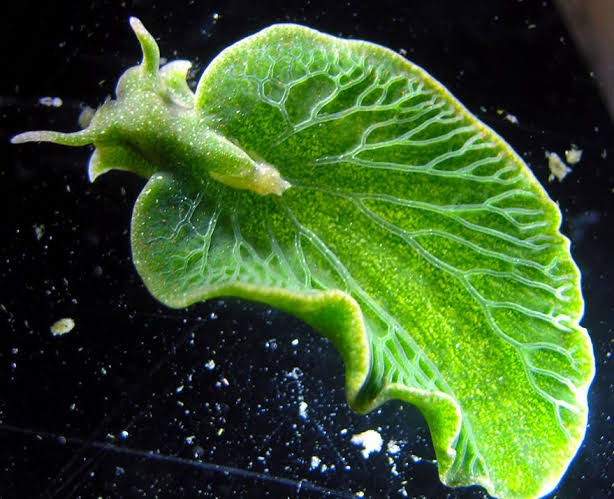
Imagine a creature that parades as a plant, but in reality, is an animal. The Elysia chlorotica, often called the green sea slug, possesses extraordinary abilities that make it one of the most fascinating organisms in the marine environment. Its capacity to incorporate the DNA of algae is just one of the characteristics that make it an intriguing model for study.
Characteristics and Behavior
The Elysia chlorotica is remarkable for its body covered in chloroplasts—the organs that perform photosynthesis. These chloroplasts are obtained from algae that the slug consumes, allowing it to convert sunlight into energy, just like a plant. This adaptation, known as The Integration of DNA: How It Works?
Imagine an organism that, through a singular process, transforms its own biology by feeding on algae. The Elysia chlorotica, an extraordinary sea slug, does exactly that, incorporating the DNA of the algae it consumes and thus becoming a true hybrid between animal and plant. This remarkable process, termed chloroplast emulation, opens a fascinating window into genetic integration between distinct species.
The Incorporation Process
As the Elysia chlorotica ingests algae from the species Vaucheria litorea, elements of algal DNA are not only digested but directly incorporated into its own genome. This intricate dance of biology begins in digestion, where the slugs retain the chloroplasts—the organelles that play a fundamental role in photosynthesis. Interestingly, despite being consumed, these chloroplasts remain functional inside the slug. This results in a surprising ability: the slug can use sunlight to produce food, like a true plant.
The Effects on the Organism
This phenomenon is not just a curiosity of nature but a marvel of evolution. By capturing and utilizing the DNA of algae, the Elysia chlorotica not only feeds itself but also protects itself from predators. This adaptation makes it less palatable, as its ability to photosynthesize helps provide energy. Thus, a survival strategy reveals itself, transforming how this organism interacts with its environment. Moreover, this unique case of genetic horizontal transfer questions our perspectives on life and marine ecological interactions. The integration of DNA is just the first part of a narrative that explores the complexity of marine life, highlighting the importance of understanding these unusual connections and their broad implications.
Ecological and Evolutionary Implications
The surprising phenomenon of Elysia chlorotica, the sea slug that incorporates the DNA of the algae it consumes, invites us to rethink the interdependence between species and their environments. This impressive behavior transcends the barriers of morphology and physiology, revealing a way of life that reflects the complexity and plasticity of marine evolution.
Ecological Relationships and Biodiversity
The ecological implications of this phenomenon are vast. The interaction between Elysia chlorotica and algae represents a unique symbiosis. This ability to steal and utilize genetic material can affect local biodiversity by altering trophic interactions. Thus, the slug not only feeds on algae but also connects to a complex food web, where its presence can influence the abundance and diversity of other species. Furthermore, this peculiar dynamic may provide valuable insights into the adaptive responses of species to environmental changes. Understanding how marine organisms adapt and interact can be crucial for conservation strategies. For example, by studying Elysia chlorotica, we can learn about the resilience of ecosystems facing adverse conditions, such as ocean acidification.
Redefining Evolution
Considering that evolution is often seen as a gradual process, the ability of this slug to incorporate DNA from algae challenges this dichotomy. The possibility that other species may develop similar adaptations opens a broad field of research in evolutionary biology. Thus, Elysia chlorotica is not just a fascinating organism but also a symbol of the plasticity of marine life, showing that adaptation can occur in unexpected ways. Therefore, the fascinating sea slug forces us to reconsider how we perceive marine organisms and their interactions. As we unravel these mysteries, we are led to a deeper understanding of nature and its complexities, which will undoubtedly shape the future of marine research.
The Future of Research
As we unravel the mysteries of the blue planet, we encounter creatures that challenge our understanding of what it means to be an organism. The Elysia chlorotica, this sea slug that acquires the DNA of algae, is one of those wonders of nature. This phenomenon of ‘borrowed chloroplasts’ sheds new light on the complexities of marine life and its interactions. However, what is the future of research in this fascinating field?
Future Directions in Marine Biology Research
At the core of marine biology research is the need to understand how organisms can genetically manipulate the ecology in which they live. The Elysia chlorotica exemplifies a system of exchange that could even show new avenues for biotechnology. By observing how this slug subtly integrates the DNA of algae into its own genome, we may discover new forms of adaptation and resistance. Thus, research could expand knowledge about the evolution of organisms adapting to adverse conditions.
The Importance of Understanding Unique Organisms
Understanding the uniqueness of organisms like Elysia chlorotica is crucial. What can we learn from this example of symbiosis? Not only about ecological relationships but also about the manufacturing of new products and sustainable technologies. By investigating the ability of this slug to produce energy through photosynthesis, we can open a range of possibilities for renewable energy solutions. Therefore, the future of marine biology research is not limited to gathering information; it results in transforming how we interact with our planet. As we conclude this study on Elysia chlorotica, we invite you to reflect on the implications of such discoveries. Next, we will explore how this connects with the global ecosystem and its role in contemporary environmental challenges.
Conclusions…
The Elysia chlorotica is not just a sea slug but a living example of how nature can surprise. By incorporating the DNA of algae, this mollusk not only gains the ability to perform photosynthesis but also becomes a lesson in adaptation and survival. This phenomenon highlights the beauty of biodiversity and the interconnection between different forms of life. Research on Elysia chlorotica not only answers questions about evolution but also encourages us to protect the ecosystems that support such wonders.
Did You Know?
- What is Elysia chlorotica? It is a sea slug that has the unique ability to perform photosynthesis by stealing DNA from algae.
- How does Elysia chlorotica perform photosynthesis? It integrates the DNA of algae into its body, allowing it to use sunlight to produce energy.
- Is this ability common in other animals? No. Elysia chlorotica is one of the few known species that possesses this ability.
- What is the importance of photosynthesis for Elysia chlorotica? It provides an additional source of energy, increasing its chances of survival.
- What are the habitats of Elysia chlorotica? These slugs are typically found in coastal waters, often in areas where algae are abundant.
- How does Elysia chlorotica adapt to its environment? It camouflages itself among the algae and utilizes photosynthesis, becoming less dependent on food.
- What are the implications of this phenomenon for biology? It challenges the traditional understanding of how animals and plants interact and evolve.
- How can this help in marine conservation? Understanding such interconnections can promote the protection of ecosystems that support unique biodiversity.