Ruby-throated Hummingbird
The ruby-throated hummingbird, a tiny bird with iridescent plumage, showcases a unique talent for capturing nectar. This article explores its fascinating characteristics, behavior, habitat, and the ecological importance of this magnificent species.
Anatomy and Physiology of the Ruby-throated Hummingbird
The physical structure of the ruby-throated hummingbird is a marvel of evolution. Its slender and lightweight body allows these small birds to be masters of flight. The wings, long and narrow, are adapted for a unique movement, beating up to 80 times per second. This ability to flap their wings efficiently enables them to ascend vertically and perform agile maneuvers. Unlike most birds, hummingbirds can fly backward, providing an advantage when feeding on flowers.
The skeleton of the hummingbird is highly modified. The bones are hollow and lightweight, reducing weight without sacrificing strength. This is crucial for sustaining their active flight level. Additionally, the pectoral muscles are extremely developed, accounting for about 30% of the total body weight. These muscles are responsible for wing movement and are therefore fundamental to their flying ability.
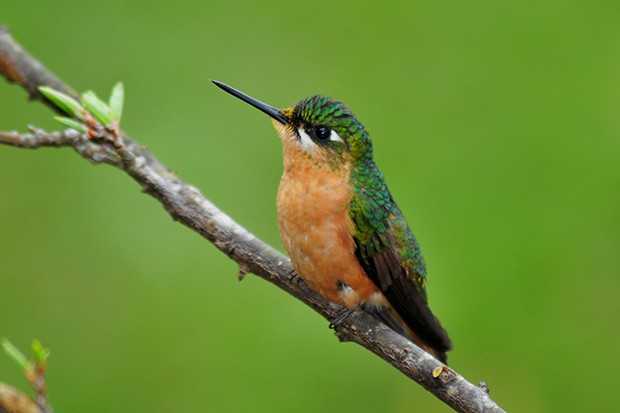
Hummingbirds also possess a short femur, which connects to long wings. This structure provides a wide range of motion, essential for maneuvers during flight. The head is small and features a long, narrow beak, perfect for reaching nectar deep within flowers. This specialization not only facilitates feeding but also contributes to the pollination of various plants along their foraging routes. To understand the importance of these birds in ecosystems, it is fascinating to explore the relationship between their anatomy and their role in pollination. To learn more about how hummingbirds interact with plants, check out this intriguing topic.
Behavior and Feeding
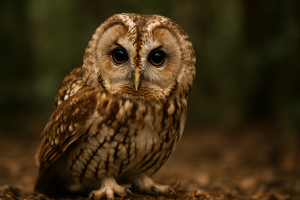
The burrowing owl is a fascinating creature, primarily inhabiting open fields and semi-arid areas. Its nocturnal behavior reveals a life filled with intriguing habits. In search of food, it uses its sharp vision, effectively detecting subtle movements on the ground. Owls are opportunistic predators, primarily feeding on small mammals, such as rodents, and also on insects. Sometimes, they venture out to hunt during the day, especially in regions where cover is scarce.
During hunting, they can be seen in an attack position, with their bodies low and wings slightly open, ready for a quick dive. This posture is essential for surprising their prey. Their ability to fly almost silently makes them extremely efficient hunters. The capture process is quick and precise, reflecting the highly adaptable nature of the burrowing owl.
In addition to their hunting skills, the social behavior of the burrowing owl is also interesting. They tend to live in family groups, and this interaction is visible during feeding. Often, one owl will call the attention of others, creating a dynamic of communication. Vocalizations vary, highlighting the emotional state of the bird or territorial challenges.
In some situations, the burrowing owl may even share a prey with another group member, similar to the behavior observed in some social birds. These interactions not only strengthen bonds between individuals but also ensure that everyone has access to food. To better understand the complexity of these relationships, it is worth exploring the fascinating social world of birds, as discussed here.
Habitat and Distribution
The burrowing owl, notable for its appearance and behavior, inhabits vast open areas such as prairies, agricultural fields, and semi-arid regions. This incredible bird prefers environments where vegetation is sparse, allowing for excellent visibility of its surroundings. Its presence is often signaled by burrows or holes in the ground, which it uses as shelter and breeding sites. These spaces provide safety from predators and a vantage point for hunting.
The geographical distribution of the burrowing owl extends across the Americas. They are found from the southern United States to central Argentina. In Brazil, the burrowing owl thrives in various regions, especially in the Cerrado and Caatinga. These areas provide the ideal habitat, with open spaces and a variety of prey.
It is observed that these adorable mammals adapt to diverse environments, adjusting their diet and nesting habits according to location. In urban areas, they are often seen in parks, where they adapt to human presence. The burrowing owl also establishes its nests in places like beaches or golf courses, taking advantage of the scarcity of predators and the abundance of food.
The vulnerability of natural habitats is a concern. Agricultural expansion and urban development can reduce the areas available for these birds. Preserving habitats is crucial to ensure the survival of the burrowing owl and many other species that inhabit these open fringes of nature. For a deeper insight into the importance of habitat preservation, I recommend reading about the toucan and its natural environment, which also face similar challenges.
Ecological Importance
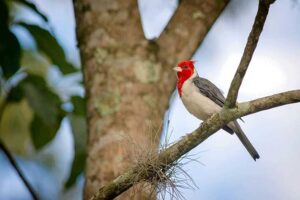
The ruby-throated hummingbird, with its vibrant shades of red, plays a vital role in the pollination of various plants. This small bird, known for its agility and speed, moves from flower to flower, extracting nectar. While performing this task, the hummingbird collects and transfers pollen, facilitating the reproduction of several floral species. This process is fundamental for ecological balance. The flowers pollinated by the ruby-throated hummingbird often have specific adaptations to attract these birds. They exhibit bright coloration and are often tubular in shape. This co-evolutionary relationship is a fascinating example of mutual adaptation, where both the bird and the plant benefit.
In addition to its role in pollination, the ruby-throated hummingbird also influences biodiversity. The plants that depend on this bird are a food source for many other living beings, such as insects and mammals. By ensuring the reproduction of these plants, the hummingbird contributes to the health and diversity of the ecosystem. Therefore, the decline in ruby-throated hummingbird populations can lead to disastrous consequences. The scarcity of pollinators may result in reduced production of certain fruits and vegetables, affecting the food availability for other species. The preservation of the ruby-throated hummingbird is therefore crucial not only for its survival but also for the stability of the entire ecosystem. Understanding this interconnection helps us value and protect biodiversity, essential for our planet. For a more comprehensive understanding of the importance of pollination, one can explore the topic here.
Conservation and Threats
The burrowing owl, with its charming presence, faces various threats in its natural habitat. One of the main concerns is habitat loss. Urbanization and agricultural expansion have devastated the areas where these birds typically live. The conversion of open fields and prairies into cultivated areas results in a decrease in their territory. This reduction not only limits nesting sites but also decreases the availability of prey, essential for their survival.
Another significant threat is pesticides. The excessive use of chemicals for pest control in agriculture can affect the health of these birds. The burrowing owl feeds on small mammals and insects that may be contaminated. Thus, these chemical compounds accumulate in their bodies, causing diseases and even death.
The presence of predators also poses a risk. Animals like domestic dogs and cats can prey on chicks or adult birds. Additionally, competition with invasive species further exacerbates the situation. To mitigate these challenges, the implementation of effective conservation measures is vital.
Monitoring programs for natural habitats and the restoration of degraded areas can contribute to the recovery of populations. Environmental education and community awareness are also crucial. Protecting the burrowing owl requires a collective effort to maintain healthy ecosystems and ensure a future for this magnificent bird. Preserving native habitat is essential to ensure the continuity of this impressive species. For a deeper look into the importance of environmental preservation, see this article on birds and their habitat.
Conclusions…
In summary, the ruby-throated hummingbird is a remarkable example of adaptability and beauty in the animal kingdom. Protecting its habitat is vital to ensure that this species continues to enchant and fulfill its ecological role.
Did you know?
What is the habitat of the ruby-throated hummingbird?
The ruby-throated hummingbird is primarily found in tropical forests and areas of dense vegetation, where it can access nectar-rich flowers.
What are the physical characteristics of the ruby-throated hummingbird?
This bird is distinguished by its bright and iridescent plumage, with a compact body and long, thin beak, ideal for feeding on nectar.
Why is the ruby-throated hummingbird important for the ecosystem?
This bird plays a crucial role in the pollination of flowers, contributing to the reproduction of plants and maintaining biodiversity.
How do hummingbirds feed?
Hummingbirds feed by sucking nectar from flowers using their long tubes, adapted to reach the inside of the flowers.
Is it possible to keep hummingbirds in captivity?
Keeping hummingbirds in captivity is not recommended, as they require a specific natural environment and ample space to fly.