Ninja Slug of Borneo: The Wonder of the Malay Mountains
Nature reveals its surprises in the mountains of Borneo, where a new species of long-tailed slug has been discovered. With a tail three times longer than its head, this intriguing creature invites us to explore its distinct characteristics and unique ecosystem. Let’s dive into the biology and habitat of this fascinating ninja slug.
The Incredible Discovery
The discovery of the ninja slug of Borneo occurred in an unexpected setting. During a scientific expedition in the forests of the Borneo mountains, researchers came across this extraordinary creature. It caught attention due to its vibrant coloration patterns and behavior worthy of a martial artist. The scientists, amazed, documented their observations with precision. What seemed to be a simple slug turned out to be a gem of biodiversity. The scientific community was intrigued to realize that this slug possesses unique adaptations, making it special for evolutionary studies.
The importance of this discovery is not limited to biology alone. The ninja slug, with its singular characteristics, plays a crucial role in the conservation of this fragile ecosystem. It acts as a vital component of the food chain, interacting with various local species. Moreover, its presence indicates the health of the habitat, as specialized organisms are often sensitive to environmental changes.
Thus, studying the ninja slug of Borneo is not just about understanding a new species. It is also about protecting a future that depends on preserving biodiversity. Scientists recognize that by studying creatures like this, they not only expand our knowledge but also receive a warning about the importance of conserving threatened habitats. Therefore, it is no exaggeration to say that the ninja slug of Borneo is a true wonder of nature, and its discovery is a celebration of everything we still need to protect. To delve deeper into the theme of species preservation, visit New Fungus Discovered in the Brazilian Amazon.
Distinctive Characteristics
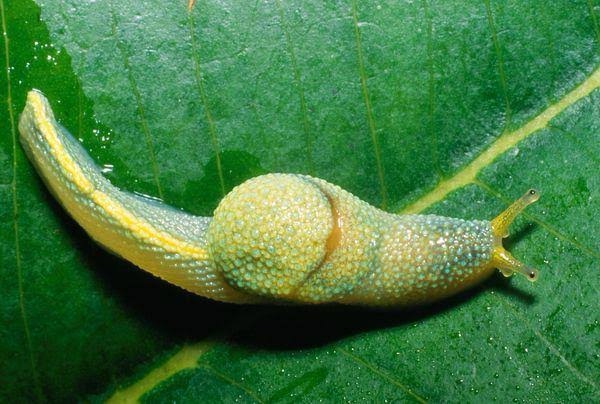
The ninja slug of Borneo is a fascinating creature, marked by physical characteristics that serve clever adaptation strategies. With a length that can reach up to 20 centimeters, these slugs are relatively large by mollusk standards. The color is equally impressive, ranging between vibrant shades of green and blue, providing effective camouflage among the lush vegetation of tropical forests. This coloration not only makes them reclusive but also protects them from agile predators, such as birds and small mammals.
The most notable feature of the ninja slug is its long and flexible tail, which can extend to the length of its own body. This tail serves multiple purposes. Initially, it provides balance while navigating the uneven surfaces of its habitat. In a change of environment, it can be used as a defense mechanism. When threatened, some species can whip their tails to distract predators, allowing for an easier escape.
Additionally, the tail is a valuable resource in the search for food. The ninja slug is herbivorous, feeding on leaves and plant material. The agile movement of the tail helps reach deeper areas of vegetation, where other creatures may struggle. This trick significantly increases its chances of survival in a densely populated and constantly competitive ecosystem.
These unique adaptations ensure that the ninja slug not only survives but thrives in one of the most diverse environments on Earth, as is the case in the Malay mountains. To explore more about how the physical form of a species can influence its survival, check out this interesting article on beetles and their adaptations.
Habitat and Ecosystem
The habitat of the ninja slug of Borneo is a true wonder of nature. It inhabits the mountainous tropical forests, where the vegetation is dense and lush. These forests offer a rich ecosystem in diversity, with immense trees, shrubs, and a variety of ground plants. The humidity is constant, providing an ideal environment for the slug’s life. The fallen leaves and decomposition in the soil layer nourish the ecosystem, creating fertile and nutrient-rich soil.
The climate in this region is typically humid and warm, with frequent rains throughout the year. These climatic conditions favor the growth of dense vegetation, where the ninja slug camouflages perfectly. The vibrant color of its skin is a reflection of this natural abundance. Temperature and humidity directly affect the slug’s behavior and activity. During rainy periods, it becomes more active, exploring the ground in search of food.
Moreover, the vegetation provides shelter and security. The slug protects itself from predators by using its camouflage ability among the plants. Each layer of the forest, from the canopy to the understory, is crucial for the survival of the ninja slug. This environment creates an intricate ecosystem where interactions between species are vital. The ninja slug is not just a resident but a fundamental element of this lush microcosm, revealing the complexity and beauty of the Borneo mountains. To explore the rich flora of these habitats, you can visit the study of a new fungus discovered in the Amazon, which illustrates the vitality of vegetation in these regions.
Ecological Importance
The Purple Octopus, with its vibrant coloration, plays a crucial role in the marine ecosystem. This intriguing mollusk is not only a wonder of nature but also a vital piece in the complex web of ocean life. Its presence influences various aspects of marine biology and the dynamics of the food chain.
As a skilled predator, the Purple Octopus feeds on fish, crustaceans, and other invertebrates. This varied diet not only sustains its survival but also helps regulate the populations of its prey. For example, by controlling the number of small fish in the ocean, the octopus contributes to maintaining balance in the habitat.
Furthermore, its role as prey is equally significant. The Purple Octopus serves as food for sharks, tunas, and seabirds, introducing it to higher levels of the food chain. This interconnection highlights the importance of this invertebrate in the flow of energy within the marine ecosystem.
Curiously, the camouflage abilities of the Purple Octopus help it escape predators, showcasing this animal’s wise adaptation to its surroundings. It can change the color and texture of its skin, confusing the sharp eyes of its enemies. This ability to conceal itself not only ensures its survival but also impacts the behavior of the species that hunt it.
Various interactions between the Purple Octopus and species such as sharks and seabirds indicate its importance as a link between different groups of marine life. By understanding these relationships, we can further appreciate the value of the Purple Octopus, which stands out in the depths of the ocean.
Conservation and Future
For the ninja slug of Borneo, preservation is vital. This remarkable mollusk, with its unique coloration pattern, is not only a wonder of nature but also an essential component of the ecosystem of the Malay mountains. Unfortunately, its existence is threatened by various ecological and human factors.
Habitat destruction is one of the main threats to this species. Deforestation activities and urban expansion in Borneo are drastically reducing its natural habitat. The loss of forests compromises not only the ninja slug but also countless other species that depend on this ecosystem.
Conservation programs are essential. Scientists and conservationists have been working hard to protect the Borneo mountains. A significant effort includes the creation of protected areas, where forests can thrive without human interference. Additionally, educational initiatives aim to inform local communities about the importance of biodiversity.
Research is fundamental for the future of the ninja slug. Studies on its biology and ecology help better understand its needs. Collaboration between scientists and communities is vital for preservation. Only with a collective commitment can we ensure that this slug continues to inhabit the forests of Borneo.
Exploring the success of these conservation programs is crucial. For example, there are initiatives aimed at preserving local biodiversity and helping restore degraded ecosystems in Borneo. More about these initiatives can be found in environmental research in the Amazon, reflecting global conservation efforts.
Conclusions…
The ninja slug of Borneo is a remarkable example of the region’s biodiversity. With its long and unique tail, this species reminds us of the importance of preserving ecosystems and the diversity of life on Earth. Protecting these natural wonders is essential for the future.
Did You Know?
What is the ninja slug of Borneo?
The ninja slug of Borneo is a new species of slug discovered in the mountains of Malaysia, characterized by its tail that is three times longer than its head.
Where was the ninja slug discovered?
This fascinating slug was discovered in the mountains of the Borneo region in Malaysia.
What are the characteristics of the ninja slug?
The ninja slug stands out for its long tail and unique characteristics that differentiate it from other slug species.
What is the importance of the ninja slug in the ecosystem?
As part of biodiversity, this slug contributes to ecological balance and helps us better understand the ecosystems of the Borneo mountains.
Why is the preservation of this species important?
Protecting the ninja slug of Borneo is crucial for preserving biodiversity and natural habitats, ensuring the survival of many species.