The Mysteries of the Poison Dart Frog
The poison dart frog is one of nature’s most intriguing creatures, impressing with its vibrant colors and lethal venom. This article will explore its characteristics, habitat, diet, and adaptations that make this small frog a queen of the tropics.
The Deadly Beauty
Habitat and Distribution
Poison dart frogs, true icons of biodiversity, predominantly inhabit the lush tropical forests of Central and South America. These environments are characterized by rich vegetation, high humidity, and mild temperatures. To survive, these frogs depend on a habitat that offers shelter and food. The dense foliage provides safe spots to hide from predators. Humidity is crucial for maintaining the frogs’ thin, permeable skin and aids in cutaneous respiration. The ideal tropical climate for the poison dart frog features temperatures ranging from 68 to 86 degrees Fahrenheit. Additionally, frequent rains are essential for creating pools and moisture in the soil. During the rainy season, these frogs become particularly active, using the increased water for reproduction.
Although found in specific locations, some species of poison dart frogs also inhabit floodplain forests and areas near rivers. These humid environments assist in capturing insects, which are essential to their diet. The locations are often shaded, helping to regulate temperature. These amphibians emit a series of sounds during the mating season. Males vocalize to attract females, making this a fascinating spectacle in the forest. Deforestation and habitat degradation threaten their populations. Preserving their habitat is vital for the survival of these natural wonders. For more information on how natural habitats vary, check out this article on the smartest arachnid.
Diet and Toxins
The poison dart frog is a fascinating example of how diet and toxicity are interconnected. These frogs are insectivorous, primarily feeding on small arthropods such as ants, crickets, and mites. It is through these small organisms that they acquire the necessary compounds to develop their potent toxins. Many of these frogs live in tropical forests, where insects rich in alkaloids abound, which are fundamental for venom production.
Unfortunately, diet is not a mere detail; it is a crucial element for their survival. The venom of poison dart frogs acts as a defense system against predators. Without the alkaloids found in their prey, the frog would lose its toxicity, becoming vulnerable. This creates a delicate balance in the food chain. Predators attempting to capture these frogs quickly learn that ingestion can lead to fatal consequences. The vulnerability of predators to the frog’s toxicity is not just a matter of defense; it impacts the entire food dynamic in the region.
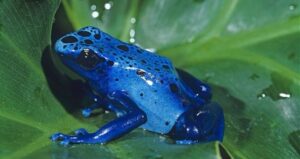
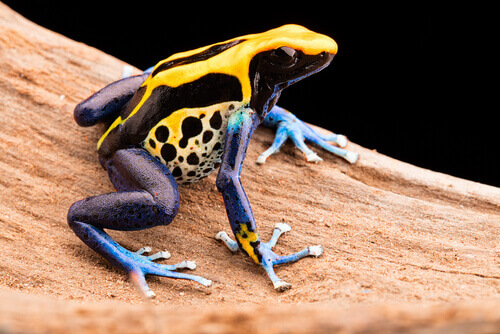
Moreover, some species of poison dart frogs exhibit vibrant colors, a visual signal that warns potential predators of their venom. This phenomenon, known as aposematism, serves as a warning. On the other hand, some insect species, such as certain ants, have developed resistance to the venom, allowing them to feed on these frogs almost unscathed. This illustrates how the relationship between diet and toxicity is not only a defense mechanism but also a dynamic evolutionary adaptation. The complexity of feeding in nature remains a vital theme for understanding ecosystems and biological interactions.
Predators and Defenses
The poison dart frog is one of the most fascinating examples of evolutionary adaptation. Its vibrant coloration not only captivates but also serves as a clear warning to predators. The venom that accumulates in its skin is powerful and lethal, an impressive defense against those who dare to attack it. Some species of poison dart frogs contain toxins that can paralyze or even kill a predator, such as snakes and birds. This toxicity is one of the reasons why few animals risk consuming them.
However, nature is a constant game of strategies. Predators like the coral snake have developed a resistance to these toxins. These snakes, in particular, have adapted their physiology to cope with the poison of the poison dart frog, allowing them to feed without consequences. This phenomenon illustrates the intricate link between prey and predators, where the battle for survival becomes a complex dance of adaptations.
Additionally, frogs also employ a behavioral defense strategy. They can effectively hide in their forest habitat, using their color patterns to camouflage among the foliage. This ability to blend into the environment is as crucial as their toxicity. Thus, the poison dart frog exemplifies how an organism can evolve in response to the challenges posed by predators. To learn more about adaptations in other living beings, see the article on the toucan, which presents curious strategies for integrating into its ecosystem.
Conservation and Ecological Importance
The poison dart frog plays a crucial role in the balance of our ecosystem. This small amphibian not only sustains the food chain but also indicates environmental health. Its presence reflects a thriving and biodiverse habitat. However, the poison dart frog faces considerable threats. The destruction of its habitat due to deforestation and urbanization is alarming. Water pollution and climate change also affect its survival. Together, these threats can lead to a drastic decline in populations. Conservation efforts have intensified in recent years. Local and international initiatives aim to protect the habitats of these unique frogs. Environmental education programs are also important. They raise awareness about the significance of this amphibian and biodiversity in general. Scientific research is another key piece. Scientists study the toxins of the poison dart frog in search of new medical applications. Conserving this species is more than just protecting an animal; it is about preserving a vital ecosystem. Each lost frog can mean the fall of a link in the food chain. Moreover, its role as an insect controller makes it a valuable ally. Many species depend on it for survival. Protecting the poison dart frog is, therefore, protecting the rich tapestry of life. What we are doing with these unique creatures may determine the future of biodiversity. For more information on how to protect endangered species, visit this link.
Conclusions…
The poison dart frog is a fascinating combination of beauty and danger, showcasing how nature can be magnificent and deadly at the same time. Understanding its ecology is essential for the preservation of this unique and intriguing species.
Did you know?
What is the habitat of the poison dart frog?
The poison dart frog is primarily found in the tropical forests of Central and South America, where humidity and dense vegetation provide shelter and food.
Why is the poison dart frog so colorful?
The vibrant colors of the poison dart frog serve as a warning signal to predators, indicating that they are toxic and therefore inedible.
How does the poison dart frog obtain its venom?
The venom of the poison dart frog comes from its natural diet, which includes ants and other insects that contain toxins. This allows the frog to accumulate these poisons in its body.
What are the main predators of the poison dart frog?
Although the poison dart frog has few predators due to its toxicity, some birds and mammals have adapted, developing resistance to its toxins.
What is the importance of the poison dart frog in ecology?
The poison dart frog plays a crucial role in tropical ecosystems, helping to control insect populations and serving as an indicator of environmental health.