The Fascinating Life of the Palmated Newt
The palmated newt, a remarkable European amphibian, captivates with its webbed fingers during the breeding season. This article explores its fascinating biology, habitat, and behaviors, while highlighting the importance of its conservation. Dive into the intriguing characteristics of this small creature that plays an essential role in its ecosystem.
Unmistakable Physical Characteristics
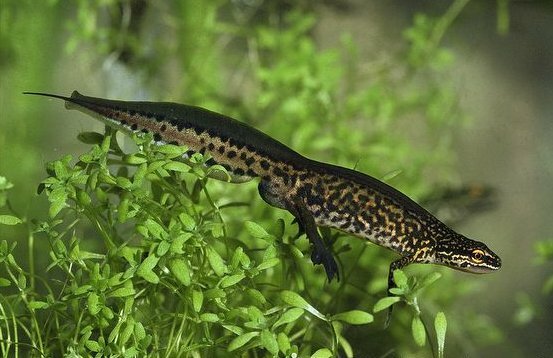
The palmated newt, a magnificent inhabitant of the waters, presents a series of characteristics that delight nature observers. Ranging from 6 to 10 centimeters in size, this amphibian is small but has a striking presence. Its colors are a true celebration of the diversity of fauna. The body of the newt is generally adorned with a coloration that mixes shades of emerald green and brown, providing effective camouflage in its natural habitat. During certain times of the year, especially during reproduction, the newt transforms into a stunning sight. Males develop vibrant coloration, with bolder tones, standing out amidst the aquatic vegetation. This color change is an important signal in the mating ritual, attracting females who are impressed by the display of vitality. What truly makes the palmated newt unmistakable are its webbed fingers. During the breeding season, these interdigitated membranes become more prominent, allowing the newt to be an agile swimmer in calm waters. These skin flaps not only provide support in swimming but can also be used during complex social interactions among males. When the palmated newt displays its fingers, it is a true demonstration of strength and fitness. The subtle contrast between the vibrant colors and the webbed fingers makes it a gem of aquatic biodiversity. For more on its adaptations, check out this article about the fascinating birds of Brazilian waters.
Habitat and Distribution
The palmated newt, a fascinating creature of the fauna, reveals its essence in specific habitats. It is often found in wetland areas, such as ponds, marshes, and small freshwater springs. These locations not only serve as shelter but also provide a home rich in essential resources for its survival. The presence of aquatic vegetation is crucial for the palmated newt. The plants offer hiding spots and breeding sites. In densely vegetated environments, they feel safer from predators, such as aquatic birds and mammals. Additionally, water quality, with low pollution levels, is vital. Clean waters favor the growth of algae and other organisms, which constitute an important part of the newt’s diet.
In spring and summer, when temperatures rise, the palmated newt becomes more active. It emerges in search of food and begins its mating rituals. During these months, it is common to find them in groups, exploring the vegetation and seeking partners. This social interaction is essential for young newts, who learn behaviors and survival strategies by observing adults. In autumn, as temperatures drop, these beings take refuge in burrows and under leaves. This not only protects them from the cold but also hides them from potential predators. The alternation between these habitats, combined with their behavioral characteristics, illustrates how the palmated newt is adaptable and resilient in the face of seasonal changes. To learn more about fascinating creatures of aquatic environments, visit Biguatinga: discover the fascinating bird of Brazilian waters.
Reproductive Behavior
The reproductive behavior of the palmated newt reveals a fascinating spectacle of interactions and intricate rituals. During the mating season, which occurs in spring, males play a crucial role, using their physical characteristics to attract females. One of the most striking aspects is the display of their webbed fingers. These fingers are not just a physical adaptation but also a symbol of health and strength. Attentive females seek males with visibly developed fingers, as this indicates good genetic condition.
The mating rituals include elaborate dances in the water. Males perform synchronized swimming movements, often opening and closing their front limbs, which emphasize the pomp of their fingers. This display not only impresses females but can also help ward off competitors. In many cases, males also emit strategic vocalizations, producing melodious sounds that echo among the bodies of water. When a female is attracted, she approaches the male, and the flirting continues. After this courtship phase, the male carefully positions himself in spawning sites, where the female will lay her eggs. During laying, females deposit eggs on submerged leaves or rocks, where they remain safe until hatching. This process not only ensures the protection of the eggs but also demonstrates how the aquatic environment is vital for the continuity of the species. The complicated interactions among palmated newts reflect a delicate balance between attraction and selection, fundamental in preserving their unique characteristics. For a study on the importance of aquatic habitats, you can read about the fascinating birds that inhabit these same ecosystems in Biguatinga.
Threats to Survival
The palmated newt, a fascinating and charismatic species, faces numerous threats in its natural habitat. Habitat degradation is one of the most serious, occurring mainly due to urbanization and intensive agriculture. The watercourses, essential for its reproduction, are being polluted and drained. This results in a decrease in suitable spawning sites, putting the populations of this species at risk. Water contamination is another concern. The use of pesticides and chemical fertilizers on neighboring agricultural lands contributes to the toxicity of aquatic ecosystems. This pollution affects the development of larvae and the health of adults, leading to a decline in survival rates. The dangerous substances in our rivers and ponds cast a shadow over the future of newts.
Climate change has an equally devastating impact. Rising temperatures affect not only the life cycle of the palmated newt but also its habitat. Sea level rise can flood areas where they reproduce. Additionally, changes in precipitation patterns affect water availability. Without adequate moisture, the environments that the newt so desperately needs are becoming scarce. Finally, habitat fragmentation hinders movement between isolated populations. This isolation can lead to inbreeding, which in turn reduces genetic variability and makes the species more vulnerable to diseases and environmental changes. The preservation of the palmated newt is therefore crucial to maintaining the ecological balance and biodiversity that make up our planet. To better understand the need to protect species, learn more about the importance of each creature in its habitat.
Ecological Importance
The palmated newt plays a fundamental role in the aquatic ecosystems of Europe. This amphibian, with its slender body and characteristic fins, is an indicator of environmental health. Its presence in aquatic habitats, such as lakes and ponds, suggests good water quality. Palmated newts help regulate the population of aquatic insects. By feeding on larvae and small crustaceans, they maintain ecological balance. Without them, uncontrolled growth of certain populations can harm the local ecosystem.
Newts are also part of a complex food web. Many birds and mammals feed on them, using them as a source of protein. This highlights the interdependence among species. By ensuring the health of newts, we guarantee the survival of predators that depend on them for food. The preservation of the palmated newt is essential to maintaining biological diversity. With habitat loss and pollution, they face significant threats. The degradation of aquatic habitats impacts not only the newt but the entire ecosystem in which it lives. Conservation initiatives aim to protect these areas, ensuring that the palmated newt and other vulnerable species can thrive.
What is observed here is not just the struggle for the survival of a species but for the continuation of a healthy ecosystem. Therefore, the conservation of the palmated newt is not only vital for them but also for all forms of life that share their habitat. To better understand how the conservation of a single species can impact an entire ecosystem, we can explore this article about the elephant, which also illustrates the intricate relationship between species and their environments.
Conclusions…
The palmated newt is a remarkable example of adaptation and resilience in nature. Its unique characteristics and ecological role are fundamental to the health of its environment. Protecting this amphibian is crucial not only for its survival but also for the preservation of the biodiversity it represents.
Did you know?
Where does the palmated newt live?
The palmated newt inhabits forests and wet areas of Europe, preferring environments with clean water and dense vegetation.
What is the reproductive behavior of the palmated newt?
During reproduction, males display webbed fingers to attract females, performing elaborate dances.
What are the threats to the palmated newt?
The main threats include habitat loss, water pollution, and climate change that affect its ecosystem.
How does the palmated newt adapt to its environment?
This amphibian exhibits adaptations such as color changes and behaviors, allowing it to survive in different climatic conditions.
Why is the preservation of the palmated newt important?
The preservation of the palmated newt is essential to maintain the ecological balance of the areas it inhabits and for overall biodiversity.