The Fascinating Journey of the Monarch Butterfly
The Monarch Butterfly, with its orange and black wings, is not just a symbol of nature but also a remarkable example of migration. In this article, we will explore the mysteries of its journey, the challenges it faces, and the role it plays in our ecosystem.
A Symbol of Nature
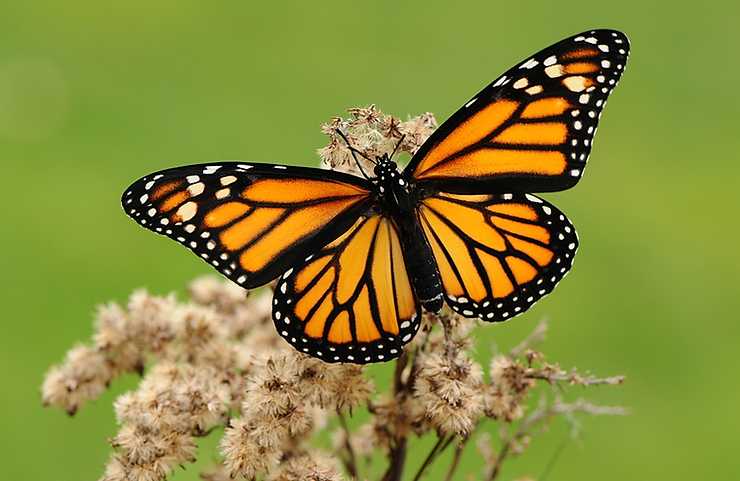
The Monarch butterfly is a masterpiece of nature, with colors that evoke a radiant sunset. Its wings are adorned with black stripes wrapped in vibrant orange, creating a mesmerizing pattern. This colorful spectacle is not only beautiful but also serves a crucial purpose. The Monarch’s vibrant colors indicate its toxicity to potential predators. This defense strategy ensures its survival as it flies through fields and forests. The beauty of the Monarch butterfly transcends aesthetics, making it a symbol of transformation and resilience. Its journey from larva to chrysalis, and finally to butterfly, is a testament to the metamorphosis we all face throughout life. In many cultures, the Monarch butterfly is considered a symbol of renewal. For some, it represents the connection between the physical and spiritual worlds. Its annual migrations have also turned it into an icon of the fleeting nature of life. The long journeys the butterfly undertakes reflect the value that nature places on the trajectory and changes that shape existence. The Monarch has inspired artists, writers, and poets throughout time. Its fragility and strength remind us of the interconnectedness of all life forms. The presence of the Monarch butterfly at spring festivals is a testament to its deep cultural connection. For example, in many indigenous communities, its appearance marks the arrival of favorable times. This delicate insect is a symbol of beauty and hope, highlighting the importance of respecting the ecosystem that sustains its existence. The Monarch butterfly is truly a treasure of our biodiversity, worthy of admiration and protection.
The Courageous Migration
The Monarch Butterfly is known for its epic migration. Every year, millions of them embark on a journey of up to 4,000 kilometers, traveling from Canada and the United States to the forests of central Mexico. This migration is not just a matter of travel; it is an impressive coordination of animal instinct. Monarchs follow specific routes, guided by factors such as the position of the sun and changes in temperature. During this journey, they face a series of challenges. The winds can be fierce, and the scarcity of nectar in flowers makes each stop crucial. The journey occurs in phases, with each generation of butterflies living only a piece of the total path. Thus, the butterflies reproduce along the route, ensuring that the next generation continues the journey. Throughout this path, many weather factors impact their trajectory. Storms, heavy rains, and even sudden frosts can threaten their progress. Additionally, some predators are lurking. Birds and other animals are attracted to this abundance of prey. To avoid capture, Monarchs use their vibrant coloration as a defense strategy. The butterflies must be in excellent physical condition to endure this journey, where temperatures can fluctuate dramatically. Combining the strength of their instincts with remarkable endurance makes the Monarch Butterfly a true symbol of survival. To learn more about the incredible migratory habits of various species, you can check out this article about the smartest arachnid, which also undertakes journeys in search of new habitats.
The Challenges of Survival
The Monarch Butterfly, one of nature’s most iconic creatures, faces unprecedented challenges in its life journey. Habitat loss is one of the biggest problems this species faces. Areas that once flourished with milkweed, essential for reproduction, have been drastically reduced due to urbanization and intensive agriculture. Moreover, climate change is drastically altering the migratory patterns of Monarchs. Extreme temperatures and severe storms affect not only their life cycle but also the availability of resources. Changes in seasons can result in a scarcity of flowers, making it difficult for butterflies to feed during their long journeys. Pollution, in its various forms, also plays a devastating role. Pesticides used in agriculture not only reduce the population of host plants but also directly affect Monarchs. Exposure to these chemicals can lead to developmental and reproductive issues, further reducing the population. The combination of habitat loss, climate change, and pollution is leading the Monarch Butterfly to face an uncertain future. It is essential that we become aware of these challenges. Only with a concentrated effort to restore their habitats and reduce pollution can we protect this magnificent species. To understand more about the impact of climate change on species, see this interesting topic.
The Role in the Ecosystem
The Monarch Butterfly plays a vital role in its ecosystem. Its relationship with plants is fundamental, especially with milkweed, also known as the host plant. This plant provides food and shelter for the larvae, being essential for the Monarch’s life cycle. Without these plants, the survival of the butterflies would be compromised. More than a simple cohabitant of the environment, the Monarch Butterfly is a pollinator. While feeding on the nectar of flowers, it transfers pollen from one flower to another. This process, crucial for plant reproduction, facilitates the production of fruits and seeds. Without pollinators, many ecosystems would face collapse. In addition to pollination, the butterfly influences various food chains. It serves as a food source for predators, such as birds and insects. Its presence in the environment is an indicator of a healthy ecosystem. When the Monarch population declines, it can signal problems affecting other species. The interactions of the Monarch Butterfly go beyond the plant kingdom. Its relationship with other species is an example of an interconnected ecosystem. By migrating long distances, it contributes to pollination in different regions. This dynamic is vital for maintaining biodiversity in various areas. Therefore, the conservation of the Monarch Butterfly is a priority. Protecting its migratory routes and habitats is essential for the health of ecosystems. Without the Monarch, the dance of life that keeps nature in balance could suffer a dissonance. To explore more about the interdependence of living beings, learn about the role of birds in the environment.
Preserving the Future
The Monarch Butterfly, with its extraordinary migratory journey, faces significant threats in its habitat. However, various conservation initiatives have been implemented to safeguard its future. The preservation of breeding and migratory areas is essential. Environmental organizations work to restore and conserve natural habitats along the Monarch’s migratory routes. This includes the protection of meadows and forests where these butterflies breed and find food. The creation of preservation areas helps ensure that the conditions necessary for survival are maintained. Additionally, environmental education programs are fundamental. They raise awareness among local communities about the importance of Monarch Butterflies and their ecosystems. By educating the population, these programs promote effective conservation practices. Native gardens, planted with flowers that attract pollinators, can be created in homes. This not only provides food for Monarchs but also helps increase local biodiversity. Initiatives to plant milkweed, the host plant for larvae, are particularly vital. Without this plant, the Monarch cannot complete its life cycle. Communities are encouraged to cultivate milkweed, creating habitat corridors. People can contribute in various ways. Participating in planting programs and protecting natural areas are valuable examples. The preservation of the Monarch Butterfly depends on a collective effort. Every action, no matter how small, makes a difference. For a broader perspective on fascinating wildlife and its protection, explore the importance of conservation in nature.
Conclusions…
Understanding the Monarch Butterfly is to recognize the interconnectedness of all living beings. Its journey reminds us of the resilience and beauty that nature offers. Preserving this species is vital for the health of our ecosystem and our planet.
Did You Know?
What is the habitat of the Monarch Butterfly?
The Monarch Butterfly inhabits forested areas, meadows, and open fields, where it finds milkweed larvae and nectar-rich flowers.
Why does the Monarch Butterfly migrate?
It migrates to escape the cold, reproduce, and ensure the survival of the species during climate changes.
What risks does the Monarch Butterfly face?
The main risks include habitat destruction, pesticides, and climate changes affecting their migratory routes.
How can we help protect the Monarch Butterfly?
Promoting the preservation of natural habitats, planting native flowers, and reducing pesticide use contribute to its protection.
What is the life cycle of the Monarch Butterfly?
The life cycle consists of four stages: egg, larva, pupa, and adult, each crucial for its unique characteristics.