The Fascinating World of the Pink Grasshopper: The Surprising Genetic Mutation
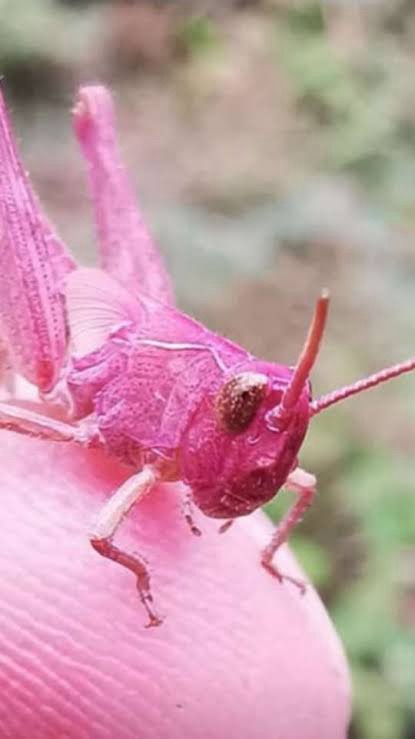
A rare genetic mutation has transformed the common grasshopper into a creature of vibrant colors. The pink grasshopper, besides being intriguing, raises questions about evolution and species survival.
The Genetics of Coloration in the Animal Kingdom
When observing a pink grasshopper, we are immediately drawn to its vibrant and unusual coloration. However, this wonder of nature is more than just a simple aesthetic beauty; it encapsulates a fascinating genetic drama, shaped by complex interactions over time. Coloration in animals is not just a matter of appearance, but also of survival and adaptation to the environment.
Genetic Mutations and Their Colors
The color variations in insects, such as the pink grasshopper (Chorthippus parallelus), are a visible testament to genetic mutations. These mutations occur when there are changes in DNA, resulting in characteristics that can be advantageous or detrimental. For example, the pink coloration, which may seem like a weakness, can actually offer unique advantages in certain habitats, camouflaging the grasshopper among flowers or brightly lit environments. This adaptation, when favored by natural selection, perpetuates the mutation within the population.
On the other hand, other colors may serve as warnings to predators, signaling toxicity or unfitness. Thus, coloration in insects becomes a constant battleground between evolution and predation. This dynamic is a fascinating example of how biodiversity is influenced by the genetic options available and environmental pressures.
The Importance of Color Diversity
The diversity of colors reveals not only the genetic richness available but also plays a crucial role in maintaining ecosystems. Colorful insects can attract pollinators, directly influencing plant reproduction. Conversely, genetic insularity and color uniformity can make grasshopper populations vulnerable to diseases and environmental changes. Therefore, understanding the genetics of coloration is crucial for biodiversity conservation.
As we delve into the intriguing realm of predation, we will observe how the visibility and coloration of an organism can determine its evolutionary fate and its interactions within the ecosystem.
The Impact of Predation on Evolution
In the shadow of grasses and among the bushes, an invisible and merciless world unfolds. Predation, the driving force of ecological interactions, silently sculpts the future of species. The pink grasshopper, with its unique coloration, is not just a wonder of nature but also an ideal example of how visibility can affect survival rates and, consequently, the genetic traits that will be passed on. Each day, the pressures of predation shape the reality of this intrepid insect.
The interaction between predators and prey creates an incessant cycle of adaptation and selection. When a pink grasshopper stands out in a lush green field, its coloration may attract the attention of birds and other predators. Thus, this visibility reduces its chances of escape. In this sense, predation becomes a catalyst for evolution. Those born with more effective camouflage may reproduce and pass their traits on, while the less fit disappear in the dance of life.
Beyond appearance, predation also influences the behaviors and habits of grasshoppers. For instance, individuals that develop more complex escape strategies become more likely to survive. Conversely, those that remain exposed to environmental dangers may see their lineage extinguish. This natural selection, therefore, is not just a matter of color and shape, but also of instinct and response to the environment.
Finally, the constant challenge of predation not only emphasizes the role of visibility in ecological interactions but also establishes a complex web that connects all organisms in the region. As the pink grasshopper faces predators, it becomes a symbol of the evolutionary forces at play. Ultimately, it is through these experiences that the coloration and survival skills of the pink grasshopper will adjust, paving the way for a future where invisibility, in the struggle for life, becomes the true art of survival.
Color Variations and Survival
Imagine a grasshopper, with its long antennae and slender body, gliding silently over the vegetation. Now, visualize it dressed in vibrant pink coloration, a mutation that not only enchants but also challenges the rules of survival. This bold variant, the pink grasshopper (Chorthippus parallelus), leads us to question the importance of coloration in the fight for life in an unforgiving natural world.
The Importance of Camouflage
Camouflage has always played a fundamental role in the survival of grasshoppers. In dense habitats, their green and brown colors allow them to blend into the environment, escaping predators. However, the pink grasshopper represents a completely different approach. Its vibrant coloration may make it more visible, especially in open areas where the contrast becomes evident. This factor can, paradoxically, offer advantages in specific environments. For example, in areas dominated by colorful flowers or varied-toned vegetation, pink may become an effective disguise, attracting the attention of pollinating insects.
Visibility and Attraction
Moreover, pink coloration not only impacts the ability to avoid predators but can also influence the attraction of mates for reproduction. Studies show that in some species, vibrant colors can signal health and vigor, increasing the likelihood of mating. Therefore, while natural selection shapes survival in many aspects, it can indeed favor uniqueness, depending on the environmental context. In light of these factors, we observe that the pink mutation is not merely a curiosity but a fascinating example of the complexity of evolution. Thus, as we move on to the next topics, we will explore how the presence of this pink grasshopper can impact not only its interactions but the entire dynamics of the surrounding population.
The Effects of Mutation on the Population
In the vibrant natural world, the mutation that transforms a simple grasshopper into a magnificent pink creature is more than a visual phenomenon. It is an intriguing example of how nature can shape the dynamics of a population.
Impacts on Reproduction
The pink mutation can influence reproduction in various ways. Females, driven by natural instincts, often choose partners with colors that stand out. In this sense, the pink grasshopper may become a preferred choice, attracting more attention during the mating season. On the other hand, this same prominence can be a disadvantage. Predators, attracted by the vibrant color, may increase mortality among these grasshoppers.
Adaptation and Population Strength
Furthermore, the presence of pink individuals may also affect the strength of the population. This color, while striking, can hinder camouflage in natural environments. In this context, the survival of pink grasshoppers will depend on a rapid and effective adaptation to new conditions. If they are able to develop defense strategies or find microhabitats that camouflage them, these grasshoppers may stabilize in a new equilibrium within the population.
Thus, while the pink color may symbolize beauty, it also represents the complex interaction between environmental factors and natural selection. The pink grasshoppers, therefore, invite us to reflect on the nuances that genetics can bring to wildlife, preparing us for the next discovery in the fascinating universe of biodiversity.
The Pink Grasshopper as a Symbol of Biodiversity
Amidst the vibrant kaleidoscope of nature, a creature emerges that is, indeed, a true miracle of genetics: the pink grasshopper. With its unusual coloration, this rare mutation found in the species Chorthippus parallelus is not just a spectacle for the eyes but also an emblematic representation of the rich tapestry of biodiversity. Here, where normality meets anomaly, the pink grasshopper stands as a symbol of the beauty that can emerge from genetic variation.
The Role of Genetic Mutations
Mutations are often seen as random, but in reality, they play a crucial role in the persistence and adaptation of species. The pink grasshopper illustrates how a simple change in its genetic material can result in a remarkably distinct appearance. However, this change is not limited to aesthetics: it has profound implications for survival and interaction with the environment. For example, the pink coloration may affect the grasshopper’s visibility to predators.
Moreover, this transformation serves as a reminder of the influence of mutations on ecology. Genetic alterations, even if subtle, over time can lead to new adaptations that will help the species thrive in changing environments. Therefore, the pink grasshopper is not merely an exception; it is a reminder that nature’s adaptation and resilience often reside in the minutiae.
The Importance of Biodiversity
Beyond being an observational wonder, the pink grasshopper highlights the importance of conserving biodiversity. Healthy ecosystems depend on genetic diversity, which fosters the resilience of populations in the face of adversities. This leads us to recognize that by protecting species like the pink grasshopper, we also preserve the intricate relationships that sustain life. With every step we take towards biodiversity protection, we move closer to a future where unique and fascinating creatures continue to exist.
Thus, as we set out to explore other aspects of the vast web of life that surrounds us, it is essential to remember that small events, such as the mutation that gave rise to the pink grasshopper, can have immense repercussions in nature.
Conclusions…
The mutation that results in the pink coloration of grasshoppers is more than just a simple aesthetic phenomenon. It brings to light profound questions about adaptation, natural selection, and biodiversity. Understanding this genetic variant helps us reflect on the fragility of wildlife and the intricate balance that sustains ecosystems. This discovery, therefore, not only fascinates but also invites us to admire the complexity of nature.
Did you know?
What causes the pink mutation in grasshoppers?
The pink mutation is caused by a genetic variation that affects pigment production, resulting in vibrant coloration.
Does the pink coloration increase the grasshopper’s vulnerability to predators?
Yes, the brighter coloration can make them easier to spot by predators.
Is this mutation common?
No, the pink mutation is a rare condition among grasshoppers.
Can pink grasshoppers reproduce?
Yes, they can reproduce, but the survival rate is generally lower due to their visibility.
What other factors influence grasshopper survival?
Besides coloration, factors such as habitat, food availability, and predator presence are crucial.
What does this mutation teach us about evolution?
It illustrates how mutations can affect a species’ survival and natural selection in action.
Can pink grasshoppers be found in other regions?
Yes, although they are rare, they can appear in different regions where grasshoppers are found.
How do scientists study these mutations?
Scientists use genetic techniques and field observation to understand how and why these mutations occur.