Giraffe Weevil: The Native Beetle of Madagascar with an Elongated Neck
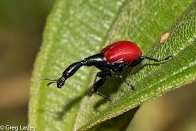
The Giraffe Weevil, a fascinating beetle native to Madagascar, surprises with the peculiarity of its elongated neck. This unique adaptation is essential for its survival and social behavior.
Physical Characteristics of the Giraffe Weevil
At first glance, the Giraffe Weevil, or Trachelophorus giraffa, captivates with its peculiar and exotic appearance. This beetle, native to Madagascar, stands out for its exceptionally long neck, resembling that of a giraffe. But how does this remarkable feature impact its life? The answer reveals a fascinating example of evolutionary adaptation.
Long Neck: A Survival Tool
The elongated neck of the Giraffe Weevil is not just a visual curiosity; it is a vital adaptation for its survival. Through this length, it can reach leaves and buds on tall trees, where many of its competitors cannot reach. This foraging ability translates into a more varied and nutritious diet, allowing the beetle to thrive in a competitive environment. As it moves among the leaves, its elongated structure also facilitates access to the nutrients contained in the plants, essential for its growth and reproduction.
Color and Camouflage
In addition to its neck, the Giraffe Weevil displays vibrant colors that range from green to yellow, blending in with the dense foliage of Madagascar. This coloration serves not only to attract mates during mating but also for protection against predators. This camouflage is crucial in an environment filled with threats. Thus, the Giraffe Weevil, with its remarkable adaptations, symbolizes the beauty and complexity of survival interactions in nature. As we explore the behavior and habitat of the Giraffe Weevil in the next chapter, we will see even more how these characteristics shape the life of this intriguing beetle.
Behavior and Habitat
Imagine a world where beauty and strangeness meet in a single being: the Giraffe Weevil. This charming beetle, native to Madagascar, lives in harmony with the lush flora of its homeland, where every aspect of its daily life is shaped by the circumstances around it. The habitat of the weevils, which encompasses tropical forests and high humidity regions, is ideal for their survival and development. However, their notable characteristics, such as the elongated neck, play a crucial role in their social interactivity and adaptability to the environment they inhabit.
Social Behavior
The Giraffe Weevil is not just solitary in its daily foraging task. In fact, these beetles are often seen in groups, patiently waiting under the fresh leaves of host plants. Social interaction goes beyond mere presence; subtle communications occur through specific touches and movements, where individuals learn from one another. This collaboration can be observed in the choice of leaves for feeding, a practice that ensures good nutrition, essential for their survival. These encounters not only favor the selection of the best leaves but also create social bonds, possibly crucial for adapting to environmental changes.
Impact of Habitat
The natural habitat provides more than just food. In Madagascar, where the tropical climate is a constant, the Giraffe Weevil finds resources such as moisture and shelter, elements that are vital for its existence. Additionally, seasonal fluctuations directly influence the beetle’s behavior. During rainy periods, for example, its foraging activity increases, aligning with the abundance of succulent leaves. Therefore, the relationship between the Giraffe Weevil and its environment is a remarkable example of how life adapts to natural conditions. In the end, the beauty of the Giraffe Weevil lies not only in its appearance but also in its ability to interact and thrive in a richly dynamic ecosystem, thus preparing for the upcoming chapters of its life, where the secrets of reproduction and life cycle are revealed.
Reproduction and Life Cycle
As we observe the magnificent Giraffe Weevil, it is impossible not to be enchanted by its complex and fascinating life story. This beetle native to Madagascar, with its long and elegant neck, is not just a wonder of nature but also a remarkable example of adaptation and resilience in the wild environment. In this chapter, we will explore the life cycle of this little giant and the intriguing methods it uses to ensure the survival of its species.
The Dance of Reproduction
During the breeding season, males perform elaborate dances, involving impressive movements to attract females. These courtship rituals can last for hours, where males utilize not only their vibrant colors but also the flexibility of their bodies. Thus, after mating, the female hides her eggs under the bark of decaying trees, providing a safe environment for the growing larvae. This careful behavior is vital, as the larvae, upon emerging, need a secure place to begin their development.
Maternal Care
Incredibly, females demonstrate a form of parental care. They vigilantly remain close to the oviposition site, protecting the eggs from potential predators. After hatching, the young are left alone to face their challenges, but the initial protection increases their chances of survival. The Giraffe Weevil, therefore, not only adapts to its habitat but also ensures the future of its lineage with its delicate and proactive approach to reproduction. As we move away from this chapter, the complexity of these beetles’ lives leads us to reflect on the threats they face and the conservation efforts needed to protect this treasure of biodiversity that is Madagascar.
Threats and Conservation
As we admire the exotic beauty of the Giraffe Weevil, it is imperative to recognize the adversities that this fascinating beetle faces. The biodiversity of Madagascar, while rich and diverse, is threatened by a combination of factors that potentially endanger the survival of Trachelophorus giraffa.
Habitat Destruction
The primary threat to the existence of the Giraffe Weevil is the degradation of its natural habitat. Deforestation, driven by agricultural expansion, is a destructive force that diminishes forest cover. Additionally, practices such as logging and the conversion of land into fertile areas result in habitat fragmentation. This not only reduces the population of weevils but also affects their ability to reproduce.
Invasive Species and Climate Change
On the other hand, the advance of invasive species presents an additional challenge. These species compete for the same resources, causing additional stress on the weevils. We could observe later how climate change exacerbates these problems, displacing the living conditions of the Giraffe Weevil. Climate transformations alter precipitation and temperature patterns, making it difficult for living beings to adapt. Fortunately, conservation efforts have been implemented to protect these beetles. Local and international initiatives work on habitat rehabilitation and raising awareness about the importance of biodiversity. Every step taken counts, but it is essential to reinforce that the fight for the protection of the Giraffe Weevil must continue. As we reflect on the threats, it is necessary to remember that conservation is not just a matter of protecting a species but of the delicate balance of an entire ecosystem in Madagascar. In the next chapter, we will examine the ecological importance of the Giraffe Weevil and its crucial role in maintaining biodiversity in this natural treasure.
Ecological Importance
In the dense and vibrant tapestry of life in a humid ecosystem, the Giraffe Weevil reveals itself as a small but vital link. This elegant insect, with its peculiar appearance, plays an essential role in maintaining environmental health. As we explore its ecological importance, the interconnection between the Giraffe Weevil and the world around it becomes evident.
Role in the Food Web
As a predator, the Giraffe Weevil feeds on small organisms, such as insects and larvae, helping to control their populations. This activity is crucial, as it prevents certain species from becoming overly abundant, which could cause a collapse in local trophic networks. Furthermore, when dead, these weevils provide nutrients to plants and other decomposer organisms, enriching the soil and contributing to the prosperity of local flora.
Impact on Biodiversity
The presence of the Giraffe Weevil is an indicator of the health of wet habitats. These ecosystems, where biodiversity is often threatened, benefit from the actions of this insect. However, the extinction of the Giraffe Weevil could lead to severe imbalances. The loss of this predator could trigger a population explosion in insects that, in turn, would affect native plants and the entire complex network that sustains life. Ultimately, the Giraffe Weevil is not just a harmless predator; it is a crucial component in preserving biodiversity in wet environments. As we consider the fragility of these interactions, it becomes clear that protecting this small being should be a priority.
As we move to the next section, we will explore the intriguing physical characteristics of the Lesser Pichiciego, which also plays a unique role in the web of life.
Conclusions…
The Giraffe Weevil is not just a remarkable example of Madagascar’s biodiversity but also an icon of how evolutionary adaptations can shape behaviors and habitats. The study of this beetle reveals the complexity of ecological interactions and the importance of preserving its environment. Understanding its survival strategies helps us appreciate the rich biodiversity that our planet possesses. This species, with its extraordinary neck, plays a crucial role in its ecosystem, showing that even the smallest beings have great stories to tell.
Did you know?
- What is the habitat of the Giraffe Weevil? The Giraffe Weevil is native to Madagascar, primarily found in tropical forests.
- How does the Giraffe Weevil use its long neck? Males use their long necks to build nests and compete for territory with other males.
- Is the Giraffe Weevil threatened with extinction? Yes, the destruction of its natural habitat and climate change are challenges faced by this species.
- What is the diet of the Giraffe Weevil? This beetle feeds on leaves and woody plants, playing an important role in decomposition in the forest.
- How do weevils reproduce? Males and females meet in specific areas, where males display their necks to attract females.
- What is the average size of the Giraffe Weevil? Giraffe Weevils can vary in size but generally reach about 5 to 7 centimeters.
- What other names are given to this beetle? It is also known by its scientific name, Trachelophorus giraffa.
- What is the ecological importance of the Giraffe Weevil? Besides its unique adaptations, this species helps maintain the health of the ecosystems in which it lives.