Mandarinfish: The Beauty of Tropical Waters
The mandarinfish, with its vibrant colors and stunning patterns, is one of the jewels of coral reefs. This magnificent creature is not just an aquatic ornament, but also a reflection of the biodiversity of tropical oceans. Let’s explore its characteristics, diet, care, and much more, revealing what makes the mandarinfish so special.
Fascinating Characteristics
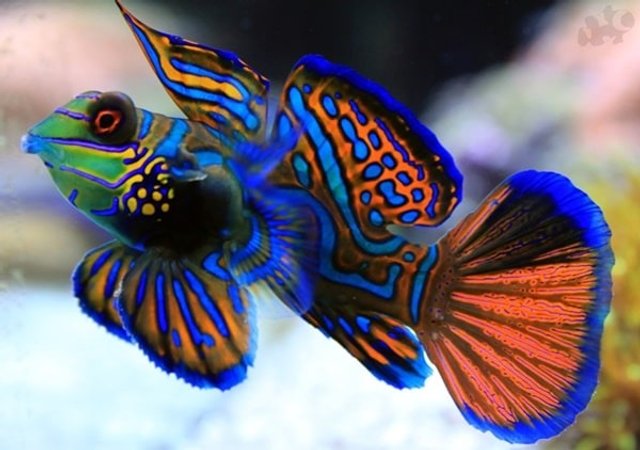
The mandarinfish is one of the jewels of tropical waters. Its vibrant colors are a spectacle for the eyes. The body of the mandarinfish is adorned with a palette of hues that defies any description. Shades of electric blue, intense orange, and lime green intertwine in patterns that resemble natural works of art. Each scale glistens in the sunlight, creating a mesmerizing effect on the ocean floor.
In addition to its beauty, these colors serve a purpose. They act as a form of camouflage amidst the dense vegetation of lagoons and coral reefs. The patterns vary among individuals, making each mandarinfish a unique entity, like a fingerprint underwater.
The behavior of the mandarinfish is equally intriguing. It prefers to swim close to the bottom, where it hides among rocks and corals. Sometimes, it can be seen performing a sinuous dance while exploring its habitat. This dance is not just to delight onlookers; it is an essential mating ritual. Males display to attract the attention of females, showcasing their colors even more intensely.
They are relatively small fish, reaching about 7 to 10 centimeters in length. Despite their peaceful nature, they have a curious side. They are known to investigate their environment carefully. This curiosity makes them fascinating and adorable, always on the lookout for small crustaceans or algae to feed on. For those who wish to learn more about extraordinary aquatic creatures, I recommend exploring the incredible diversity of marine life, where flashes of natural beauty are found at every turn.
Natural Habitat
The mandarinfish, one of the jewels of tropical waters, is native to the coral reefs of the Pacific and Indian Oceans. These reefs are rich in biodiversity, providing shelter and food to various species. The mandarinfish prefers warm waters, with temperatures ranging between 24°C and 28°C. This warm climate is crucial as it influences the metabolism and reproduction of the species.
The shallow waters of the reefs, with depths not exceeding 50 meters, are the ideal habitat. Here, the mandarinfish finds a variety of corals, which not only serve as shelter but also as feeding grounds. The underwater cliffs and lagoons house their vibrant colors, camouflaging them from potential predators.
The quality of the water directly affects the life of the mandarinfish. The presence of algae and zooplankton is vital to sustain its natural diet. Pollution and climate change are threatening these delicate ecosystems. The warming of waters and acidification can harm coral health, decreasing the populations of organisms on which the mandarinfish depends.
By interacting in this diverse habitat, the mandarinfish develops unique behaviors. It is seen in constant motion, exploring its environment in search of food. The reef provides the necessary structure for them to hide from predators, creating a continuous cycle of life. The beauty of the mandarinfish is intertwined with the richness of its natural environment, making its preservation crucial for the future of these incredible sea inhabitants. To learn more about the coral reef ecosystem, you can access this link.
Proper Diet
The mandarinfish, with its vibrant colors and stunning patterns, has a diet that reflects the richness of the coral reefs it inhabits. In its natural habitat, it primarily feeds on small crustaceans, zooplankton larvae, and even small invertebrates. These delicate organisms are essential for its well-being. In aquarium environments, replicating this diet becomes crucial for the health of the mandarinfish. Aquarists should opt for a nutrient-rich diet, focusing on foods like brine shrimp, mysis, and cyclops, which mimic the fish’s natural diet. Flake or pellet food can be offered, but it should be of high quality and enriched with vitamins. Feeding should also be frequent, but in small portions, to avoid water pollution. A recommended practice is to feed two to three times a day, offering only what the fish can consume in a few minutes. Always observe the fish’s behavior during feeding. If there are leftovers, it is better to reduce the amount of food offered. Caring for the mandarinfish’s diet is not just about providing the right type of food, but also presenting that food appropriately. In densely planted aquariums, the fish may benefit from foods that hide among rocks and corals. However, it is always good to ensure that the fish has continuous access to live foods, which stimulate its natural instincts. For more information, explore the diets of other aquatic species and see how each has its peculiarities.
Aquarium Care
For the mandarinfish to thrive in captivity, it is vital to replicate the conditions of its natural habitat. The water must be maintained in ideal conditions. The pH should range between 8.1 and 8.4, while the ideal temperature is between 24 and 28 degrees Celsius. The salinity of the water should be between 1.020 and 1.025, thus ensuring an environment similar to that of coral reefs.
Water changes should be made carefully, maintaining good filtration, as mandarinfish are sensitive to pollutants. An efficient filtration system is essential, as it helps remove impurities and maintain water quality. Regular testing of ammonia, nitrite, and nitrate levels is crucial to avoid harmful conditions.
In terms of diet, mandarinfish need a varied diet that includes small crustaceans and specific foods for reef fish. Regularly offering these foods is fundamental for their health and well-being. As for compatibility, it is essential to choose tank mates that are not aggressive. Lionfish, clownfish, and reef fish generally get along well. On the other hand, territorial species like lionfish or centropogon can be problematic. Knowing the behavior of the chosen fish ensures a harmonious environment.
Therefore, research and preparation are the keys to a vibrant aquarium. Caring for the mandarinfish is a commitment that brings rewards. For more information on fish care, check out tips and guidelines.
Importance of Conservation
The mandarinfish, one of the jewels of coral reefs, is a species that deserves special attention. Its fascinating beauty, with vibrant colors, hides an alarming vulnerability. The reefs that sustain these enchanting creatures face countless threats. The destruction of marine habitat is one of the most severe. Activities such as overfishing and coral destruction have devastating effects. These complex environments are the foundation of aquatic life and the home of the mandarinfish.
When reefs are damaged, the impact spreads. The mandarinfish relies on specific structures for hiding and feeding. The loss of habitat decreases its population and, consequently, marine biodiversity. Furthermore, climate change is increasing water temperatures and ocean acidification. This directly affects the health of the reefs, making them less hospitable for the mandarinfish and other species.
The capture of the mandarinfish for aquariums, while fascinating, also contributes to its vulnerability. The growing demand for exotic marine species increases pressure on their populations. Many of these fish do not survive after capture, leading to an even more pronounced decline. Therefore, the conservation of the mandarinfish’s habitat is not just desirable but essential.
It is fundamental to protect the reefs and promote sustainable practices. The future of the mandarinfish and the entire marine ecosystem depends on these actions. To learn more about the importance of preservation, you can check out articles on nature conservation.
Conclusions…
The mandarinfish is more than just a simple inhabitant of the reefs; it symbolizes the rich marine diversity and the importance of preserving our oceans. By understanding its needs, we can admire and protect this beauty. May this knowledge inspire everyone to appreciate and take better care of the aquatic world.
Did You Know?
- How much does a mandarinfish cost? Prices for mandarinfish vary depending on location and quality, typically ranging from $20 to $60.
- What does the mandarinfish eat? The mandarinfish primarily feeds on small crustaceans and zooplankton, as well as special food for marine fish.
- What is the most beautiful fish in the world? While beauty is subjective, many consider the mandarinfish one of the most beautiful in the ocean due to its vibrant colors.
- How long does a mandarinfish live? Under proper conditions, the mandarinfish can live between 5 to 10 years, depending on the care it receives.
- What is the food for mandarinfish? The food for the mandarinfish should be rich in protein, with options like flake food, frozen foods, and crustacean pellets.
- What food does the fish like the most? The mandarinfish enjoys a diet that includes small crustaceans and live foods, such as brine shrimp and mysis.
- How to care for mandarinfish? To care for the mandarinfish, maintain ideal water quality, provide a balanced diet, and house it in an appropriate aquarium.
- How much does a pair of mandarinfish cost? A pair of mandarinfish can cost between $40 and $120, depending on quality and origin.
- How to tell if a mandarinfish fry is male or female? To distinguish between male and female, observe the body markings and coloration; males tend to have more vibrant colors and distinct patterns.