Leafcutter Ant: The Architect of Nature
Leafcutter ants, true engineers of the natural world, play a vital role in ecology. They use leaves to cultivate fungi, which serve as food for the entire colony. This article explores the habits, biology, and importance of these fascinating insects in their ecosystems.
The Fascinating World of Leafcutter Ants
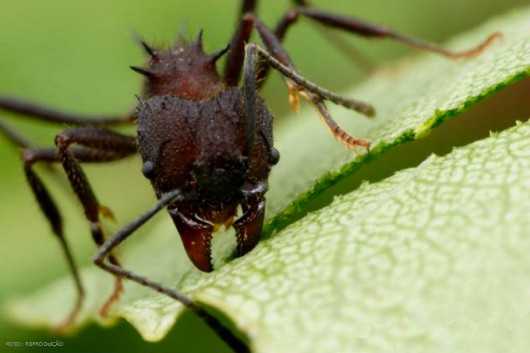
Leafcutter ants, notorious architects of the natural world, play a unique role in ecosystems. They belong to the genus Atta and are primarily found in tropical environments of Central and South America. These ants stand out for their ability to cut leaves and transport them to their colonies, a behavior that is as fascinating as it is crucial for the balance of the habitats they occupy. With robust bodies and powerful mandibles, they are true masters of teamwork. In their colonies, ants efficiently divide tasks, with workers, soldiers, and queens playing distinct roles. The workers are responsible for foraging and preparing food, while the soldiers protect the colony from predators. The queen, in turn, is responsible for reproduction and the continuity of the society. These colonies can contain millions of individuals, forming true cities underground.
This group of insects is vital for the health of ecosystems. By cutting leaves, they not only recover nutrients for their development but also encourage the growth of new plants, promoting biodiversity. Furthermore, leafcutter ants cultivate fungi in their nests, creating a symbiotic relationship that sustains the colony. In this natural cycle, ants become a bridge between plants and fungi, helping to recycle nutrients and keep the soil fertile. Understanding the role of leafcutter ants helps us grasp the complexity of how nature functions. This dynamic highlights the intrinsic connection that exists between species and the environment they inhabit. For more information on the fascinating behavior of these insects, check out this article on fungi.
The Art of Cutting: How They Cultivate Fungi
Leafcutter ants are undoubtedly some of the most fascinating creatures in the animal kingdom. They demonstrate an impressive ability to cut leaves with almost surgical precision. Each ant, equipped with strong mandibles, removes small pieces of leaves and transports them back to the colony. Thus, they form mounds composed of carefully selected plant fragments. Once the leaves are brought in, the real spectacle begins: the cultivation of fungi. Leafcutter ants do not consume the leaves directly. Instead, they use them as a substrate for a complex system of fungi known as microfungi. These fungi are essential for the colony’s survival, as they convert the cellulose from the leaves into usable nutrients. The ants maintain strict hygiene in their plantations. They continuously remove any decomposing material, ensuring the ideal environment for fungal growth. This process is not just a practice of care; it is a magnificent example of symbiosis. As the fungi thrive, they produce the food substance that ultimately sustains the entire colony. This symbiotic relationship is a testament to nature’s ingenuity. By cultivating fungi, leafcutter ants create a life cycle that balances their needs with those of the organism they care for. This ensures a constant food supply, allowing their colonies to flourish in a world full of challenges. To learn more about interactions between organisms in nature, you can read this article on spiders and their diets, which also explores symbiotic relationships.
Organization and Hierarchy in Colonies
Leafcutter ant colonies are true examples of social organization. The hierarchy within these colonies is complex and essential for their survival. At the top of the structure is the queen. Her main function is to reproduce, ensuring the colony’s continuity. The queen can live for several years, a remarkable feat in the animal kingdom. The workers perform various roles. They are responsible for collecting leaves, building the nest, and caring for the larvae. The workers are subdivided into groups, depending on size and task. Some are small and perform delicate tasks, while the larger ones face threats. Each has specific skills that contribute to collective effectiveness. The soldiers also have a crucial role. They protect the colony from predators and other ants. With their extremely strong mandibles, they ensure the safety of the nest and stored food. The presence of soldiers allows the workers to focus on their tasks, knowing that the colony is safeguarded. This division of labor is key to their success. When a task needs to be executed, the ants quickly organize themselves, demonstrating communication and cooperation within the colony. The hierarchical organization allows for a rapid response to threats and an efficient workflow. This model not only maximizes efficiency but also ensures the colony’s survival. For more on interdependence in nature, you can read about interactions between organisms.
Challenges and Threats to Their Habitat
Leafcutter ants, notable architects of the natural world, face a series of challenges that threaten their survival. Climate change is one of these threats. Rising temperatures and changing rainfall patterns directly affect plant growth, a fundamental basis of their diet. Without adequate vegetation, this symbiotic relationship that sustains not only the ants but their entire colony is compromised.
Another relevant challenge is habitat loss. Deforestation and rapid urbanization reduce forest areas. These environments are essential for building their nests and foraging for leaves. Habitat fragmentation makes it difficult for ants to move, making the search for resources increasingly challenging and dangerous.
Moreover, the indiscriminate use of pesticides poses a serious risk. These chemicals are designed to eliminate pests but often affect biodiversity. Leafcutter ants, in particular, are sensitive to these poisons. Exposure to pesticides can lead to a decrease in population, impacting the colony as a whole.
The interactions between these factors become complex. Environmental stress influences the behavior of ants, their foraging routes, and even their social structure. If not addressed, these threats can not only reduce leafcutter ant populations but also affect the health of the ecosystems they help sustain. For more information on biodiversity, see here.
The Role of Leafcutter Ants in Ecosystem Sustainability
Leafcutter ants, with their extraordinary social organization, play a vital role in the sustainability of ecosystems. These tireless workers not only cut leaves but also transform them into food for their cultivated fungus, establishing a clever symbiosis. This cultivation process provides a source of nutrients for the ants and, consequently, for the soil.
Through the decomposition of leaves, leafcutter ants help recycle organic matter. This action drives nutrient cycling, essential for the growth of surrounding plants. Thus, the presence of these ants ensures a continuous supply of nutrients, promoting soil fertility.
Furthermore, leafcutter ants have a significant impact on the structure of the ecosystem. Their nests help aerate the soil and facilitate water infiltration, critical factors for plant health. Their work in decomposition also provides shelter and food for many other species, creating an intricate web of life.
The health of leafcutter ant populations can indicate the environmental quality of a habitat. When their numbers decline, it can be a sign of ecological imbalances, such as deforestation or excessive pesticide use. Therefore, leafcutter ants are not only archetypes of nature’s ingenuity but also sentinels of the health of our environment. For a deeper analysis of species that contribute to this delicate balance, see Toucan: The Bird That Charms with Its Beauty.
Conclusions…
Leafcutter ants are more than just simple insects; they are pillars of biodiversity and sustainability in ecosystems. Their way of life, interactions, and environmental impacts reveal the complexity of ecological relationships. The conservation of this species is crucial for the health of our planet.
Did You Know?
What are leafcutter ants?
Leafcutter ants are a group of ants known for cutting leaves and using them to cultivate fungi, serving as food in their colonies.
How do leafcutter ants cultivate fungi?
They cut leaves, transport them to the nest, and use them as a substrate to cultivate fungi, which are the main food source for the colony.
What is the importance of leafcutter ants for the ecosystem?
These ants help in decomposition, nutrient cycling, and are essential for the health of many forests, acting as environmental indicators.
What challenges do leafcutter ants face?
Climate change, habitat loss, and pesticide use are some of the challenges threatening leafcutter ant colonies.
How are leafcutter ant colonies organized?
Colonies have a clear hierarchy, with different castes such as queens, workers, and soldiers, each performing specific roles.