Rhinoceros Beetle
The rhinoceros beetle, an impressive insect of nature, is famous for its robust body and characteristic horn. This article will explore in depth its features, behaviors, and role in the ecosystem, as well as fascinating curiosities about its life and social habits.
Features of the Rhinoceros Beetle
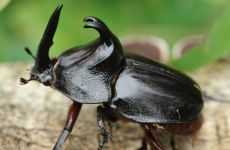
The rhinoceros beetle is an impressive creature, notable for its unique physical characteristics. With a size that can range from five to fifteen centimeters, these insects are large and imposing. Its robust and muscular body is covered by a shiny exoskeleton, which can display a range of colors, including green, brown, and even metallic shades. This variety of colors plays an essential role in camouflage, helping them blend in with vegetation and evade predators in their native habitat provided by tropical forests and savannas.
One of the most striking features of the rhinoceros beetle is undoubtedly its horn. This horn, which is an extension of the insect’s head, is a symbol of strength and resilience. In some species, it can be as long as the body itself. Males use the horn in battles for dominance during the breeding season. The structure of the horn, which is durable and sharp, allows them to confront rivals effectively. During these fights, the physical display of the horn serves as an indicator of the male’s health and vigor, vital in a competitive environment.
The characteristics of the beetle not only attract attention but also act as defense and attraction mechanisms. The combination of size, vibrant color, and powerful horn structure ensures that these sculptural insects remain impressive and relevant in their interactions within the ecosystem. To explore more about the grandeur of these beings, you can visit this page.
Behavior and Social Habits
Rhinoceros beetles, with their robust forms and impressive horns, exhibit fascinating social behavior. Their interaction begins from youth. Young beetles often group together in search of food. This collaboration can be observed as they share sap and organic matter, which are essential for their growth. During these moments, they communicate through subtle touches and movements, creating a social bond with others in the colony.
During the mating season, rivalries intensify. Males use their imposing horns to compete for the attention of females. These disputes are true duels. Each battle reveals the strength and agility of the competitors. A successful male can claim the female and thus ensure the continuation of his lineage. The horn, often seen merely as an ornament, is indeed a vital tool in the fight for a mate.
Females, on the other hand, carefully choose their partners. They generally prefer males that demonstrate more skill during fights. This is an indicator of superior genetics, which can be passed on to the next generation. After mating, females seek suitable locations to lay their eggs, using their knowledge of the environment to choose protected spots. Parental care is not common in rhinoceros beetles; the focus here is to ensure the survival of the offspring through strategic choices. To delve into the social interactions among different beings, consider this example about the social responsibility of rhinoceroses.
The Role in the Ecosystem
Rhinoceros beetles play a vital role in their ecosystems. They are essential in the degradation of organic matter, helping to recycle nutrients in the soil. By feeding on decomposing plants, they break down materials into smaller fragments. This not only enriches the soil but also promotes the health of the local ecosystem. This degradation is fundamental to the balance of plant life around. Furthermore, rhinoceros beetles have a significant impact on pollination. Although they are not the most well-known pollinators, they visit various flowers while foraging for food. This involuntary process aids in pollen transfer, supporting the growth and reproduction of various plant species. Without pollination, many types of vegetation could suffer, leading to a collapse in habitat and harming the fauna that depends on these plants. Their habits also have repercussions on many other organisms. For example, the decomposition they promote provides a nutrient-rich environment for other plants and, consequently, for herbivores and carnivores. Thus, these beetles fit into a complex web of ecological interactions. Researchers have shown that the loss of rhinoceros beetles can lead to ecological imbalances. The reduction of their population can negatively influence local biodiversity, as many organisms depend on them. By understanding the vital function of rhinoceros beetles, the conservation of their species and habitats becomes essential for maintaining the ecosystem. For more information about the importance of biodiversity, click here: Rhinoceros Beetles.
Curiosities about the Rhinoceros Beetle
The rhinoceros beetle is one of the most impressive creatures in the animal kingdom. Its majestic appearance captivates all, with a horn that evokes the image of a miniature rhinoceros. In various cultures, this beetle is seen as a symbol of strength and protection. In Egyptian mythology, it is believed that the scarab, which bears similarities to the rhinoceros beetle, represents rebirth and transformation. The strength of rhinoceros beetles is also reflected in their ability to lift up to 850 times their own weight, an achievement that impresses even the strongest in the animal kingdom.
Moreover, the beetle is generally associated with fertility, especially in African culture, where it is considered a sign of good luck. Native Americans, in turn, revere this insect, seeing it as a symbol of life and renewal. The rich symbolism surrounding the rhinoceros beetle is a testament to its impact on the traditions and customs of various societies.
Recent research in the biology of the rhinoceros beetle has revealed fascinating details about its life. Studies have shown that the shape of the horn can influence survival and reproductive success on the African continent. Scientists are now investigating how the environment can impact the evolution of these physical traits. Additionally, the incredible resilience of rhinoceros beetles has attracted the interest of biomimetic engineers in the search for sustainable solutions. To understand the interconnections that shape nature, explore more about these wonderful beings at Rhinoceros Beetle.
The Conservation of the Rhinoceros Beetle
Rhinoceros beetles face various threats in their habitats. Environmental degradation, resulting from deforestation and urban expansion, is a growing concern. Insects that play a vital role in pollination and decomposition are being threatened by the loss of biodiversity. The use of pesticides is directly affecting the longevity and health of these extraordinary creatures, interfering with their life cycle and reproduction.
Moreover, excessive collection for the pet trade and as collectibles harms wild populations. Rhinoceros beetles, with their impressive appearance, are often targets of demand in illegal markets. This raises questions about the long-term survival of these iconic species.
Fortunately, there are significant conservation efforts underway. Dedicated organizations are working to protect the natural habitats of rhinoceros beetles. Ecosystem rehabilitation initiatives aim to restore areas that have been devastated. Environmental awareness and education programs have expanded, promoting the importance of these insects for ecological health. This approach not only protects the beetles but also benefits biodiversity as a whole.
Protecting rhinoceros beetles is essential. They play a crucial role in maintaining the health of ecosystems. Their preservation ensures the continuity of vital ecological processes. The future of biodiversity depends on collective action to ensure that these wonders of the natural world continue to thrive. To learn more about the importance of conservation, you can access this article.
Conclusions…
The rhinoceros beetle is much more than a robust insect. Its role in territorial disputes and the ecosystem is fundamental, as well as being a source of fascination for nature lovers.
Did you know?
What is the rhinoceros beetle?
The rhinoceros beetle is a robust insect known for its horn on its head and its strong presence in tropical forests.
How does the rhinoceros beetle use its horn?
The horn of the rhinoceros beetle is primarily used in territorial disputes against other males during the mating season.
What is the ecological role of the rhinoceros beetle?
In addition to participating in disputes, these beetles help in pollination and the decomposition of organic matter, contributing to the health of the ecosystem.
What are the threats to rhinoceros beetles?
The main threats include habitat loss due to deforestation and climate change, which affect their population and diversity.
Where can the rhinoceros beetle be found?
These beetles are generally found in tropical and subtropical forests, where moisture and vegetation are abundant.