Hercules Beetle: The Giant of Nature
The Hercules Beetle is a marvel of nature, known for its impressive jaws and unusual strength. This intriguing species is not just an insect; it symbolizes the wonder and diversity of animal life on our planet. Let’s delve into the biology, habitat, and conservation of this invertebrate titan.
Physical Characteristics and Behavior
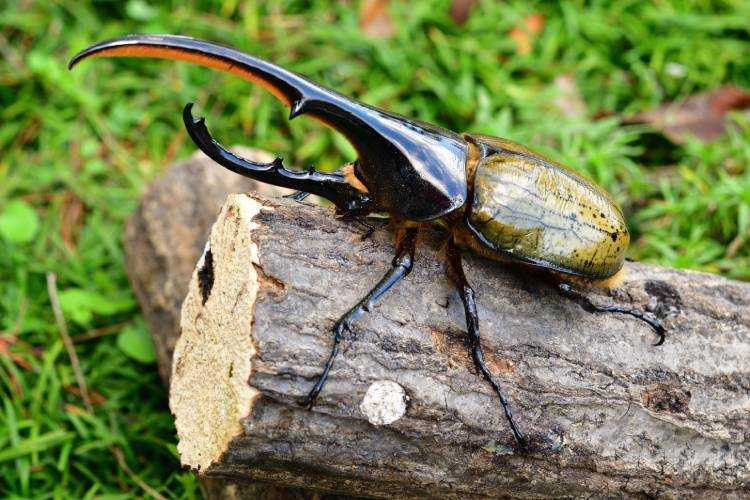
The Hercules Beetle, one of the largest insects on the planet, is a spectacle of grandeur. This magnificent beetle can reach up to 15 centimeters in length. Its coloration is a delight to the eyes, ranging from deep black to metallic shades of green and bronze. These vibrant colors are not just for beauty; they play a crucial role in its camouflage. In nature, this ability allows beetles to blend into their environment.
The jaws of the Hercules Beetle are truly impressive. They are large and hook-shaped, resembling a serrated knife. These jaws serve not only to capture food but also symbolize the strength and virility of the insect, used in display battles between males. These competitions are fascinating. Males confront each other, using their jaws, often in fierce fights, to determine who will become the dominant partner during the mating season.
Intriguing social behaviors also mark the life of the Hercules Beetle. They are predominantly solitary, but during reproduction, males can be found in large mating festivals. Females, attracted to males with more impressive jaws, end up choosing their partners. Furthermore, the metamorphosis process of the Hercules Beetle is remarkable. This life cycle, carried out in the dark tropical forests, is essential for its survival, ensuring it continues to be a giant in the vast tapestry of wildlife. Learn more about other amazing animals like jumping spiders.
Habitat and Distribution
The Hercules Beetle, one of the largest insects in the world, is native to the tropical forests of Central and South America. These majestic beetles inhabit dense, humid areas rich in biodiversity. The tropical forests, with their tall and lush canopies, provide the ideal environment for the development and reproduction of these giants. They are often found in regions such as the Amazon, the Darien forest in Panama, and the forests of Brazil.
Throughout its life cycle, Hercules Beetles can be seen in various stages of maturation. The larvae develop on the forest floor, feeding on decomposing organic matter. Thus, a geographical disposition in areas rich in organic material is crucial for their successful development. The health of the ecosystem they inhabit is essential not only for their survival but also for maintaining a greater balance within the habitat.
The geographical distribution of the Hercules Beetle directly impacts its social and reproductive interactions. Males, in particular, use their impressive horns to display strength and attractiveness to females during the mating season. Moreover, these beetles are part of an intricate life cycle that includes natural predators such as birds and mammals that feed on them. Their presence indicates the health of the ecosystem they inhabit. Thus, each Hercules Beetle can be considered a small guardian of the tropical forest. To better understand how these habitats affect various species, it is interesting to explore recent biodiversity studies in the Amazon.
Feeding and Ecological Role
The Hercules Beetle is a fascinating creature, with a diet well adapted to its environment. They primarily feed on decomposing fruits, leaves, and organic matter. This dietary choice is vital for the ecosystem, as it contributes to the decomposition and recycling of nutrients in the soil. The role of the Hercules Beetle as a decomposer is fundamental, helping to maintain soil health in tropical forests. Its ability to consume decomposing materials promotes the growth of new plants, fostering biodiversity.
In addition to its feeding, the Hercules Beetle serves as prey for various predators. Birds of prey and small mammals benefit from this giant of nature. The presence of the beetle in the food chain enriches the ecosystem, being a vital link for the survival of several species. The death of individuals, for example, provides nutrients for the soil, benefiting other forms of life. The interaction between the Hercules Beetle and other species shows the interdependence in the environment. The feeding habits of this beetle demonstrate how even the smallest beings can impact ecological dynamics. Its presence also indicates the health of the habitat, as they are sensitive to environmental changes. Therefore, protecting the Hercules Beetle is essential for the conservation of tropical forests. This conservation is crucial not only for the beetle but for all the fauna and flora that depend on these rich and diverse ecosystems. To observe more about the cycles of life in nature, check out the role of elephants in maintaining their habitats.
Reproduction and Life Cycle
The Hercules Beetle is a magnificent example of the complexity of life in tropical forests. The life cycle of this giant begins with mating. Males emit vibrant sounds, attracting females. The dazzling courtship ritual involves displays of strength and robustness. Once the female chooses her partner, mating occurs, and the eggs are fertilized.
The females deposit the eggs in strategic locations, usually in decomposing wood. This choice ensures that the larvae have access to food when they hatch. The eggs take one to two weeks to hatch. After hatching, the larvae emerge, displaying an elongated and appetizing body, ready to devour the organic matter around them.
During the larval stage, which can last from several months to over a year, the larvae grow considerably. This intensive growth occurs as they voraciously feed. This stage is crucial, as it determines the health and strength of the emerging adult. When ready, the larvae burrow into the ground to transform into pupae.
The pupal stage is a moment of transformation. Inside the cocoon, the larvae metamorphose into mature beetles. This process can take several weeks. Finally, the new beetles emerge, ready to face the world. They seek a suitable habitat and start the cycle once again. To learn more about the life stages of incredible insects, you can explore this article about the Ladybug.
Conservation and Challenges
The Hercules Beetle, a wonder of the animal kingdom, faces significant challenges in its habitat. The destruction of tropical forests, driven by agricultural expansion and deforestation, directly threatens its natural environments. These practices reduce the availability of essential resources, such as food and shelter. Another alarming factor is the excessive collection of these rare insects for international trade. The demand for specimens for collectors affects the population in its native environment, creating additional pressure on the species.
Climate change also does not go unnoticed. Rising temperatures alter ecosystems, impacting the life cycle of the beetle. Variations in climatic conditions create uncertainties in food sources, hindering its development and reproduction. Thus, the Hercules Beetle finds itself in a complex scenario, where the interconnection of environmental factors makes survival challenging.
Conservation measures become urgent and essential. Protecting tropical forests through the creation of reserves and protected areas should be a priority. Incentives for agroecology can promote harmonious coexistence between agriculture and biodiversity. Awareness about sustainable and responsible collection is equally crucial. Educational campaigns involving local communities can help reduce over-exploitation. Finally, supporting research programs on the habits and ecology of the Hercules Beetle will allow for more focused and effective conservation initiatives. Only through a collective effort can we ensure that this giant of nature continues to thrive in its original habitat. For more on the importance of biodiversity, check here.
Conclusions…
The Hercules Beetle is a remarkable example of the strength and beauty of the natural world. Through its life, we learn about the importance of conservation and biodiversity. Protecting this species is vital to preserving ecological balance and valuing the rich tapestry of life on our planet.
Did you know?
What is the habitat of the Hercules Beetle?
The Hercules Beetle is found in tropical forests, where humidity and dense vegetation provide a suitable environment for its survival.
How does the Hercules Beetle feed?
The Hercules Beetles primarily feed on tree sap and decomposing organic matter, playing a vital role in the ecological cycle.
What is the strength of the Hercules Beetle?
This powerful insect is known to lift up to 850 times its own weight, making it one of the strongest creatures in the world.
Is the Hercules Beetle threatened?
Although it is not in imminent danger, habitat destruction and over-collection can threaten its populations in some regions.
Are there still myths about the Hercules Beetle?
Yes, many myths surround the Hercules Beetle, with some cultures believing it represents strength and virility, making it a cultural symbol in some societies.