Giant Galápagos Tortoise
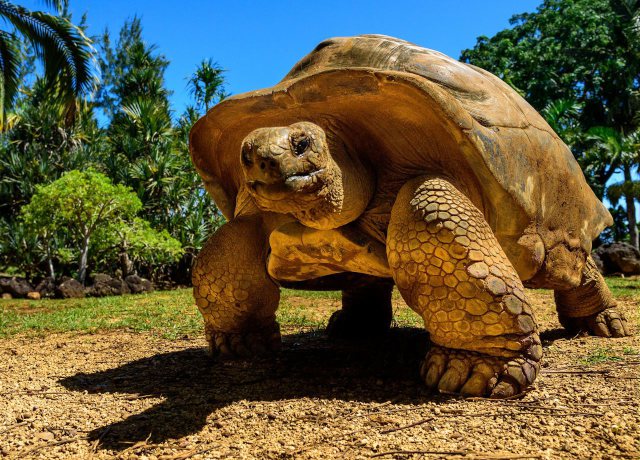
The giant Galápagos tortoises, true wonders of nature, inhabit the Galápagos Islands and have fascinated scientists and explorers for centuries. Known for their longevity and impressive sizes, they are a symbol of the unique biodiversity of this region. Let’s explore their characteristics, habitat, conservation, and ecological importance.
The Wonders of the Galápagos Islands
The Galápagos Islands, an archipelago formed by volcanic activity, are a true laboratory of evolution. Formed millions of years ago, the islands evolved in isolation, allowing unique species to develop. This exotic environment is known for its extraordinary biodiversity. Here, species like the giant tortoise coexist with a variety of fauna and flora that cannot be found anywhere else on the planet.
The variety of ecosystems, from dry forests to mountainous areas and white sandy beaches, provides refuge to countless species. Each island presents a distinct ecosystem, adapted to the specific environment in which it is located. This biological diversity is a testament to the adaptability of life in the unique conditions that the islands offer.
The Galápagos are also a remarkable example of ecology in balance. Predators, herbivores, and pollinators play essential roles in maintaining this balance. Furthermore, the interactions between species are complex and vital for the health of the ecosystem. For example, giant tortoises help shape the environment by dispersing seeds and contributing to the vegetation cycle.
The ecological importance of the Galápagos Islands is undeniable. They serve as a microcosm of global biodiversity, offering a privileged glimpse into how life adapts and evolves. The preservation of this habitat is crucial, not only for the giant tortoises but for the entire diversity of life that depends on the islands. Concern for conservation is, therefore, deeply rooted in the characteristics of this fascinating place. For more on adaptation and evolution, visit about the incredible adaptation of living beings.
Distinctive Characteristics
The giant Galápagos tortoises are one of the largest species of tortoises in the world, showcasing an impressive size. These majestic reptiles can reach up to 1.5 meters in length and weigh over 300 kilograms. Their robust and distinctly shaped shell varies according to the subspecies. Some have a dome-shaped shell, while others, like the Española Island tortoise, have a more elongated shape. This adaptation is crucial, allowing them to reach high plant leaves.
The longevity of these creatures is equally remarkable. They can live up to 177 years, making them one of the oldest living beings we know. This longevity provides an evolutionary advantage, allowing them to develop a vast knowledge of their habitat throughout their lives.
The physical characteristics of the giant Galápagos tortoises make them unique in the animal kingdom. Their large dimensions not only set them apart from other members of the order Testudines but also influence their behavior and ecology. These herbivorous animals play a fundamental role in seed dispersal, helping to maintain the ecological balance of the Galápagos.
The resilience of their shell provides protection against predators but also reflects their adaptation to challenging environmental conditions. One might wonder: how will these magnificent beings, with their distinct characteristics, survive amid the changes threatening their habitat? To delve deeper into the importance of ecosystem preservation, see this article on biodiversity.
The Diet of the Giants
The giant Galápagos tortoises are herbivores, primarily feeding on a wide variety of vegetation. They consume grasses, leaves, fruits, and cacti. This diet is adapted to their insular habitat, where vegetation is scarce and often tough. Each tortoise species has specific preferences, depending on the island they inhabit. The famous saddleback tortoise, for example, is known for choosing succulent plants that aid in its hydration.
The importance of plants is not limited to the nutrition of these majestic creatures. What these tortoises eat profoundly impacts the local ecosystem. By consuming vegetation, they help control excessive plant growth and maintain environmental balance. This behavior prevents soil degradation and promotes the diversity of plant species. Furthermore, the remnants of plants that are not fully consumed serve as a source of nutrition for other living beings, such as insects and small vertebrates.
Vegetation is also crucial for the survival of the tortoises. Often, tortoises depend on native plants that have larger leaves or more tender stems, providing the necessary nutrients for their growth and reproduction. The elimination of native vegetation would threaten not only the tortoises but the entire biodiversity of the Galápagos. To understand the interconnection of these species and their diets, we can observe how the conservation of these tortoises is vital. Learn more about the habitats and challenges of tortoises in our studies on the giants of nature.
Conservation and Threats
The Galápagos tortoise faces significant survival challenges due to the degradation of its natural habitat. The tropical forests, where this exotic tortoise resides, are being devastated by logging and agricultural expansion. These factors not only reduce the safe space for the tortoise but also destroy the food sources that sustain its population. Additionally, habitat fragmentation hinders the migration and reproduction of this fascinating species.
Conservation efforts are underway, focused on protecting and restoring the tortoise’s habitat. Environmental organizations work tirelessly to establish preservation areas. These zones are crucial to ensure that local biodiversity, including this tortoise, has a safe and healthy home. Educational projects are also vital, as they raise awareness about the importance of tortoises to ecosystems and the need to protect them.
The tortoise plays a fundamental ecological role. As a herbivore, it helps control populations of small mammals and insects. Its presence ensures a balance that benefits other species and the health of the ecosystem. Therefore, protecting this tortoise is not just a matter of saving a species but maintaining the integrity of the entire habitat where it lives. Every action for conservation reverberates through food chains and ecosystems, becoming vital for the preservation of our planet. For a deeper dive into the importance of tortoises, one can explore the critical role of other species in nature.
An Icon of Biodiversity
The giant Galápagos tortoise is more than just an animal; it is a living symbol of biodiversity. With its imposing silhouette and long life, these reptiles remind us of nature’s resilience. In a constantly changing world, the importance of this species becomes even more evident. They inhabit the Galápagos Archipelago, where their behavior and adaptation have been shaped by millions of years of evolution. This showcases the power of time and nature over life.
Tortoises are not only fascinating for their biology. They also teach us about the interconnection of species within ecosystems. Their varied diets, which include vegetation and fruits, highlight the importance of native plants. Through these interactions, tortoises help maintain ecological balance. Each tortoise is a link in the complex web of life.
Unfortunately, the giant tortoise faces significant threats. The introduction of invasive species and climate change jeopardize its habitat and survival. Awareness of these issues is crucial. When we protect the giant tortoise, we are also defending biodiversity as a whole. Protecting this species teaches us to value and conserve the ecosystems that sustain us. Therefore, the giant tortoise is not just a symbol of biodiversity but a lesson in hope and responsibility. To understand more about how conservation can make a difference, explore new discoveries in conservation.
Conclusions…
The giant Galápagos tortoise is not just an icon of the islands but also a landmark of nature’s resilience. Understanding its importance and preserving it is essential to ensure that these majestic creatures continue to inhabit our planet for generations.
Did you know?
- What is the habitat of the giant Galápagos tortoise?
It primarily inhabits the Galápagos Islands, where it finds a variety of environments ranging from dry forests to coastal areas. - What is the diet of the giant Galápagos tortoises?
These tortoises are herbivores, feeding on grasses, leaves, cacti, and fruits found in their natural habitat. - How does the giant Galápagos tortoise contribute to the ecosystem?
They play a crucial role in seed dispersal and vegetation management, maintaining the ecological balance of the islands. - What is the lifespan of the giant Galápagos tortoises?
These tortoises can live over 100 years, with some individuals documented living up to 177 years. - What threats does this species face?
The invasion of non-native species, habitat loss, and climate change pose significant threats to the survival of the giant Galápagos tortoises.