The Fascinating World of Mites
Mites, tiny arachnids that inhabit our environment and even our skin, are often misunderstood. Although they are essential in many ecosystems, they can also be responsible for annoying allergies. This article explores the universe of mites, from their characteristics to the impacts they can have on human health.
Characteristics of Mites
Mites, small inhabitants of our world, exhibit a fascinating body structure. Ranging in size from 0.1 to 10 millimeters, they are nearly invisible to the naked eye. Their shape, usually oval or rounded, allows for efficient adaptation to various environments. Their skin is covered by a tough cuticle, acting as a protective armor against predators and dehydration.
The anatomy of mites is remarkable. They possess four pairs of legs, making them agile in their search for food. The claws at their extremities allow them to cling to irregular surfaces, such as leaves and soil. As they explore their environment, their adapted mouthparts become essential tools for feeding. Mites primarily feed on fungi, decomposing organic matter, and, in some cases, animal blood.
Biologically, mites show impressive sexual dimorphism. Males and females often differ in size and shape, a crucial adaptation for reproduction. Moreover, they can reproduce in large numbers under adverse conditions, ensuring the continuity of the species.
A notable example of adaptation is the ability of some mites to survive in hostile environments, such as deserts. Some have developed resistance to dehydration, while others can enter dormancy when resources are scarce. These adaptations make mites winners in the battle for survival.
Anyone wishing to learn more about fascinating beings like mites can find similar information in Jumping Spider: The Most Intelligent Arachnid.
The Habitat of Mites
In diverse landscapes, mites inhabit niches that many are unaware of. These tiny arachnids can be found in soil, water, and even in living organisms. In the soil, mites play a crucial role in decomposition. They help break down organic matter, recycling essential nutrients for plant growth. With their mandibles, they feast on fungi and bacteria, contributing to the health of the ecosystem. At the same time, their presence indicates soil quality, functioning as bioindicators.
In water, mites from the Halacaridae family adapt to aquatic environments. They can be found in lakes, rivers, and even salty waters. These microscopic creatures feed on algae and debris, helping to maintain the ecological balance of aquatic life, forming part of the food chain. Aquatic mites can be analyzed to understand the health of aquatic ecosystems.
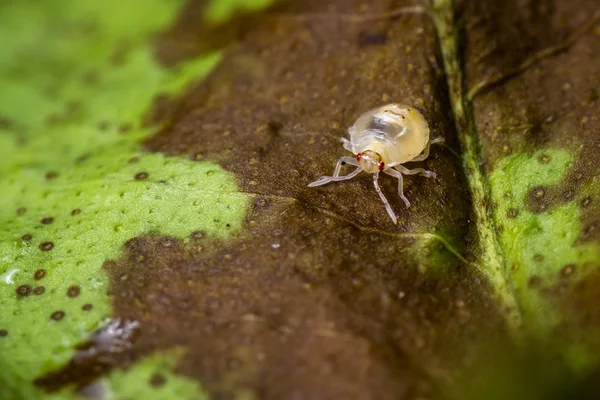
On the surfaces of living organisms, such as plants and animals, mites settle as guests, sometimes beneficially, but often causing damage. Spider mites, for example, can infest plants and compromise their leaves. On the other hand, there are mites that parasitize insects and help control natural pests. This complex web of interactions makes mites an intriguing part of our ecosystems. Their adaptability to environments makes them truly fascinating. For more on the impact of invertebrates on the environment, check out this article.
Impacts of Mites on Human Health
Mites are tiny creatures that inhabit our surroundings. Despite their small size, their effects on human health can be enormous and often unpredictable. Species like the dust mite are responsible for a large proportion of allergies. Mite droppings, which accumulate in mattresses, upholstery, and carpets, are potent allergens. When inhaled, they can trigger severe allergic reactions. Symptoms include sneezing, itching, and nasal congestion. In addition to allergies, the presence of these organisms is linked to respiratory conditions, such as asthma. According to research, asthmatic individuals often show sensitization to mite allergens, which can exacerbate their attacks. The release of microscopic particles in indoor environments is a constant concern for public health.
It’s not just allergens that should be considered. Mites can contribute to the development of other conditions, including skin diseases. Atopic dermatitis, for example, can be exacerbated by exposure to mites and their droppings. The inflammation caused can lead to significant discomfort. The impacts of mites on health cannot be underestimated. Measures such as frequent cleaning and reducing humidity in indoor environments are crucial. Thus, understanding the role of mites, both as part of the ecosystem and their adverse effects, is vital for human well-being. For a deeper understanding of how small beings can have large consequences, it’s worth exploring the importance of maintaining balance in the ecosystem.
Myths and Facts about Mites
Mites are often misunderstood, surrounded by a cloud of myths. For example, many believe that all mites are harmful. In reality, most are harmless and play a vital role in ecosystems. These tiny arachnids are essential in decomposing organic matter, aiding in nutrient recycling.
Another common myth is that mites cause diseases and are responsible for allergies. Although some types of mites can provoke allergic reactions, like dust mites, there are other species that promote health. Studies show that exposure to certain mites can even help regulate the immune system, making it more robust.
A surprising fact about mites is their great diversity. There are over 50,000 known species, each adapted to its specific environment. Some inhabit the soil and play a crucial role in agriculture, controlling pests and improving soil fertility.
Still, it is believed that mites do not offer direct benefits to humans. However, research suggests that skin mites may play a role in protecting against pathogenic bacteria. They keep our skin healthy by creating a balanced microbial community.
Therefore, by learning more about mites, we can demystify these fascinating creatures. They are an essential part of our ecosystem and have a significant impact on human health. It is important to remember that knowledge is the key to harmonious coexistence with these small beings. For more information on fascinating creatures, you can visit this article on arachnids.
Tips to Reduce the Effects of Mites
Mites, these tiny creatures, inhabit our homes and workplaces, often without us noticing their presence. Reducing the effects of mites can be a simple task with some careful practices. The first approach involves deep cleaning. It is essential to vacuum carpets and upholstery regularly. Using vacuums with HEPA filters can capture mites and their waste, thus reducing exposure. Additionally, washing bedding in hot water weekly helps eliminate these unwanted organisms.
Another key measure includes reducing humidity at home. Keeping humidity below 50% is crucial to limit mite growth. Using dehumidifiers in moisture-prone areas is highly recommended. Ventilating spaces, especially bathrooms and kitchens, helps prevent moisture buildup, creating a hostile environment for these microscopic beings. Surfaces also deserve special attention. Regularly cleaning with dust-absorbing materials can be effective. Adopting the use of waterproof mattress and pillow covers, which act as barriers, protects against direct contact with mites. Flowers and plants, while enjoyable, can increase humidity, so choose carefully. Also, avoid accumulating unnecessary items. The more objects you have, the more dust accumulates, providing an ideal home for mites. To understand the lives of other small beings that inhabit our world, explore the fascinating article on jumping spiders, which also surround us in our daily lives.
Conclusions…
Mites, despite their apparent insignificance, play complex roles in nature and human health. Through a deeper understanding, it is possible to mitigate allergic effects and coexist with these fascinating beings. Protecting our health also involves educating ourselves about these small yet important inhabitants of our world.
Did You Know?
What are mites?
Mites are small arachnids that can be found in various environments, as well as living on the skin of mammals.
How do mites affect human health?
Mites can cause allergic reactions and other health conditions, being important allergens present in households.
Where are mites found?
Mites are found in various locations, including household dust, mattresses, upholstery, and human skin.
What are the most common types of mites?
The most common types include dust mites, book mites, and mites that live on pets.
How to prevent allergies caused by mites?
Maintaining cleanliness and disinfection of the environment, using anti-mite covers, and reducing humidity are effective prevention methods.