
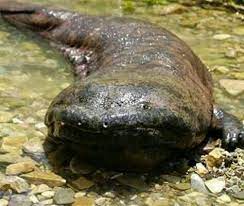
Chinese Giant Salamander: The Endangered River Giant
The Chinese giant salamander, the largest salamander in the world, is a marvel of nature struggling to survive. This article will explore its biology, habitat, threats, and conservation efforts, revealing the importance of protecting this incredible species.
The Wonder of the Chinese Giant Salamander
The Chinese giant salamander, one of the largest salamanders in the world, is a true wonder of nature. Adults can reach up to 1.8 meters in length and weigh over 60 kilograms. This imposing creature is a true relic of prehistory, reflecting adaptations that have made it successful for ages.
The appearance of the salamander is fascinating. Its body has a coloration that varies between shades of brown and gray, adorned with dark spots that aid in camouflage in its aquatic habitat. The skin is smooth and often displays a viscous secretion, which not only maintains moisture but also serves as a defense against predators.
One of the most striking features of the salamander is its broad head, with small, prominent eyes. The external gills, resembling feathers, are visible and play a crucial role in underwater respiration. This adaptation is vital, as the species is predominantly aquatic.
Moreover, its short, strong limbs are adapted for swimming, allowing it to move through rivers and lakes with ease. The salamander is carnivorous, feeding on fish, aquatic insects, and even other salamanders. Its hunting strategy involves silent ambushes, taking advantage of its coloration to hide at the bottom of rivers and streams.
Thus, the Chinese giant salamander is a symbol of resilience and beauty, representing a crucial moment in evolutionary history. To learn more about aquatic life, check out this fascinating article about life in Brazilian waters.
Habitat and Distribution
The Chinese giant salamander is a unique creature, often found in the deep, cold waters of the mountainous rivers of China. The rivers it inhabits are characterized by dense vegetation and a mild temperature, crucial elements for its survival. These aquatic environments provide shelter and food, allowing the salamander to grow in size and strength. Its preference for clean, oxygenated water is vital, as pollution can have drastic consequences for its health and reproduction.
The Chinese giant salamander is an indicator of the environmental quality of the region. Natural habitats provide not only safety but also a rich ecosystem with biodiversity. The presence of rocks and submerged logs serves as hiding spots against predators, offering opportunities to hunt prey like fish and crustaceans. These habitat features are fundamental to the species’ feeding behavior.
Additionally, climatic conditions directly influence its life cycle. High atmospheric humidity and moderate temperatures are essential to prevent dehydration, something that can be fatal for these amphibians. The salamander is an example of adaptation to a specific niche, where each element of the habitat plays a vital role in maintaining its health and well-being. Therefore, the conservation of these natural environments is a priority to ensure the continuity of this unique species. For more details on the importance of natural habitats, explore information about the connection between species and their habitats.
Threats to Survival
The Chinese giant salamander, the largest salamander in the world, faces various threats to its survival. The destruction of its natural habitat is one of the most significant. Urban development and dam construction have dramatically reduced the areas where these creatures can live. Deforestation and river pollution are also alarming issues. Furthermore, the introduction of exotic species into local ecosystems further pressures their populations.
Another critical factor is the over-collection of these salamanders for the pet trade and traditional medicine. They are often captured from the wild, further diminishing their populations. Commercial exploitation not only impoverishes salamander populations but also destroys their local ecosystem.
Emerging infectious diseases represent another threat. These organisms can spread rapidly, especially in already compromised aquatic environments. The vulnerability of these salamanders to bacteria and fungi can be devastating, putting at risk those that still inhabit their natural habitats.
The combination of all these factors results in a constant decline in the population of Chinese giant salamanders. This is not just a biological loss; it is a devastating echo for local biodiversity. The preservation of species like this is crucial to maintaining the balance of ecosystems. If urgent measures are not taken, the future of the Chinese giant salamander may be in imminent danger. To explore more about the importance of species conservation, visit elephants, the gentle giants of nature.
Conservation Efforts
The Chinese giant salamander, one of the largest amphibians in the world, faces a difficult battle for survival. Its declining population is a reminder of what is at stake. Conservation efforts are therefore intensifying on various fronts.
Globally, wildlife organizations and research institutes are seeking to better understand the salamander’s needs. Initiatives to promote research on habitat and behaviors are being implemented. This information is crucial for establishing protection areas that shelter remaining populations.
Locally, China is implementing protection strategies that involve engaging communities in conservation. Environmental education has become an essential tool. Residents are encouraged to participate in projects aimed at restoring natural habitats. Conferences and workshops are organized to inform about the importance of the salamander and the threats it faces.
Moreover, the management of hydrological areas, vital for the salamander, is a central focus. The pressure from river pollution and the degradation of aquatic ecosystems is being combated through stricter policies. Water quality control and reforestation initiatives have proven beneficial.
Finally, captive breeding programs are expanding. These efforts aim to increase the population before habitat restoration actions become effective. Thus, the Chinese giant salamander is not only a symbol of our responsibility but also a testament to the power of collective action. The conservation of this species is undoubtedly a vital effort that resonates in the broader struggle for biodiversity protection, as discussed in this article about the rhinoceros.
The Future of the Chinese Giant Salamander
The future of the Chinese giant salamander is bleak and uncertain. Environmental pressures and human threats undermine the survival of this magnificent creature. In its natural habitat, clean, cold waters, the salamander plays a crucial role. With its unique behavior, it helps maintain the balance of aquatic ecosystems. However, this great wonder of nature faces unprecedented challenges.
With the degradation and pollution of the waters in its habitat, the salamander is forced to survive in an increasingly hostile environment. Capture for illegal trade and the invasion of exotic species further contribute to its decline. Urgent effective measures must be implemented to ensure its survival.
The preservation of the Chinese giant salamander is not just about protecting the species but also about protecting the ecosystems they inhabit. Efforts must include the restoration of the streams where they live. These waters are a source of life not only for the salamander but also for the multitude of organisms that depend on them.
Environmental education is vital. Local communities must be informed about the importance of this salamander and the risks it faces. Organizing awareness campaigns can help reduce illegal capture and encourage responsible tourism.
Time is short. Organizations dedicated to conservation, such as those working to preserve endangered species, need support. Every action counts to ensure that future generations know not only the salamander but also the rich biodiversity it represents.
Conclusions…
The Chinese giant salamander is a fascinating species essential to the aquatic ecosystem. Awareness of its threats and the importance of conservation are crucial to ensuring that this giant continues to exist in the waters of China.
Did you know?
What are the characteristics of the Chinese Giant Salamander?
The Chinese giant salamander can reach over 1.5 meters in length, has rough skin, and is known for its long life, living over 50 years.
Where is the Chinese Giant Salamander found?
This amphibian is found in rivers and lakes in China, especially in mountainous regions with clean water.
What are the threats to the Chinese Giant Salamander?
The main threats include habitat loss, water pollution, overfishing, and illegal trade.
What is being done to conserve the Chinese Giant Salamander?
Conservation initiatives include the creation of natural reserves, captive breeding programs, and public awareness campaigns.
What is the importance of the Chinese Giant Salamander in the ecosystem?
It plays a crucial role in maintaining the balance of aquatic ecosystems, helping to control populations of insects and other organisms.